
Propagation
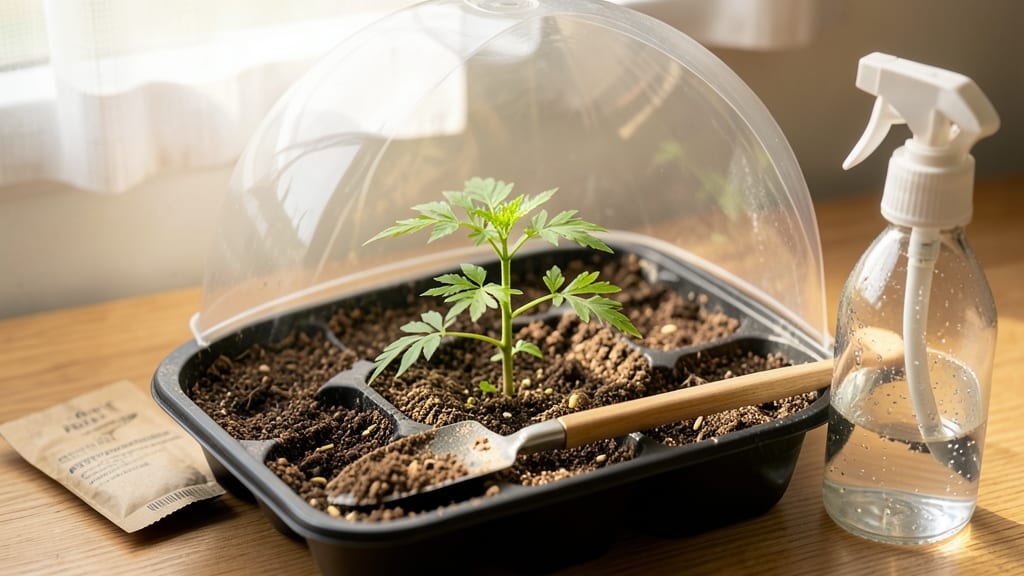
Starting cosmos seeds at the right time means frost-free blooms by summer—and the secret is knowing your zone’s last frost date. 🌱 I’ve learned the hard way that planting too early means leggy seedlings, while waiting too long risks stunted growth.
The key is starting indoors 4-6 weeks before your last frost, then transplanting when soil warms to 60°F. Cosmos thrive in poor soil, but they need consistent moisture and bright light to avoid stretching.
A simple seed-starting mix with perlite keeps roots happy, and a sunny windowsill or grow light prevents those sad, spindly seedlings. Most varieties germinate in 7-14 days, so patience pays off—no need to rush.
By the time you’re pinching back those first true leaves, you’ll have stocky, dark-green seedlings ready for the garden. They’ll bloom nonstop from midsummer until frost, attracting pollinators and adding cheerful, daisy-like flowers to your beds.
Works for zones 3-10, but adjust timing: Northern gardeners start earlier indoors, while Southerners can direct-sow after soil warms. Here’s how to nail the timing and avoid common pitfalls!
📚 In This Guide
- What you need
- Instructions
- Tips and common mistakes
- Wrapping up and next steps
What you need
- ● Cosmos seeds: Choose heirloom or hybrid varieties (e.g., Cosmos bipinnatus or Cosmos sulphureus). Buy 10–20 seeds per packet for a full bloom display.
- ● Seed-starting trays or biodegradable pots: 2–3 inch deep cells (10–20 cells per tray). Opt for peat or coconut coir pots for easy transplanting.
- ● Seed-starting mix: Lightweight, sterile mix with perlite or vermiculite (avoid garden soil—it’s too dense!). A 10–15 quart bag covers most trays.
- ● Grow lights or sunny windowsill: Cosmos thrive with 12–16 hours of light daily. A 4–6 foot LED grow light works wonders if natural light is lacking.
- ● Spray bottle: For gentle watering (avoid over-saturating seeds!). A 16 oz bottle is perfect.
- ● Plant labels: Write seed names/dates on toothpicks or markers to track varieties.
- ○ Heat mat (optional): Speeds germination for cooler zones (set to 70–75°F). A 10x20 inch mat fits most setups.
- ● Humidity dome or plastic wrap: Keeps moisture in until seeds sprout (remove once germination starts).
- ● Zone awareness: Check your USDA hardiness zone to align with cosmos seed-starting deadlines (typically 4–8 weeks before last frost).
- ● Patience: Cosmos germinate in 7–14 days—resist the urge to disturb them!
- ● Outdoor prep: Harden off seedlings 1–2 weeks before transplanting (acclimate to outdoor temps gradually).
How to start cosmos seeds for vibrant, zone-specific blooms
Here's my foolproof method for timing cosmos seeds perfectly to avoid frost and ensure months of effortless color.
🌱 Step 1: Calculate Your Zone-Specific Start Date
Cosmos thrive when planted after your last frost date, but they germinate quickly—so timing matters. For Zones 3-5, start seeds indoors 6-8 weeks before your average last frost (typically mid-April to early May). In Zones 6-9, you can direct-sow outdoors 2-4 weeks before frost, as cosmos tolerate light frosts once established.
I check my local frost dates online and mark the calendar 10 weeks out—this gives me a buffer for slow germination or unexpected cold snaps. Write the target date on your seed packet or container so you don’t forget. Cosmos grow fast once they sprout, so don’t rush the process.
🌱 Step 2: Prepare Containers and Seed Starting Mix
Use 4-inch diameter containers (like cell packs or small pots) filled with a lightweight, sterile seed-starting mix. Avoid garden soil—it’s too dense and can harbor fungal diseases. Moisten the mix until it’s damp like a wrung-out sponge, but not soggy. Press it down gently to remove air pockets.
I like to use biodegradable pots because they eliminate transplant shock when moving cosmos outdoors. Fill each container to 1 inch below the rim, leaving room for watering. Cosmos seeds are tiny, so I use a toothpick to create small holes—just ¼ inch deep—and place 2-3 seeds per hole for better germination rates.
💧 Step 3: Sow Seeds and Maintain Ideal Germination Conditions
Cover the seeds lightly with a thin layer of soil—just enough to hide them, no deeper. Mist the surface with water until evenly damp, then cover the containers with clear plastic wrap or a humidity dome. Cosmos germinate best in 65-75°F soil, so place them on a seedling heat mat if your home runs cooler.
Keep the soil consistently moist (not wet) until germination, which typically takes 7-14 days. You’ll know it’s time to remove the plastic when 50% of seeds have sprouted—this prevents damping-off, a fungal disease that kills seedlings overnight. Once sprouted, place containers in bright, indirect light to avoid leggy growth.
☀️ Step 4: Harden Off and Transplant for Frost-Free Growth
Two weeks before your target outdoor date, start hardening off seedlings by placing them outside in a sheltered spot for 1-2 hours daily. Gradually increase exposure over 7-10 days, ending with full sun. Cosmos love heat but tolerate partial shade, so if your zone gets scorching summers, provide afternoon shade to prevent wilting.
Transplant outdoors after all danger of frost has passed, spacing seedlings 12-18 inches apart in well-draining soil. I pinch back the tips of young plants by ⅓ of their height to encourage bushier growth and more blooms. Cosmos self-seed prolifically, so you’ll likely have volunteers popping up next season—just thin them to avoid overcrowding.
⏰ Step 5: Maintain for Continuous Blooms Through Frost
Water cosmos at the base 1-2 times weekly, aiming for 1 inch of water per week. They’re drought-tolerant once established, but consistent moisture during dry spells prevents leggy stems. Deadhead spent blooms regularly to encourage more flowers—this keeps cosmos producing until the first hard frost.
In cooler zones, cosmos may die back in winter but often resprout from the base in spring. In warmer zones, they’ll keep blooming until frost, then self-seed for next year. I always leave a few plants to mature seeds, which I collect for next season’s garden.
Tips & tricks for perfect cosmos seed starting
Let me share the insights that'll help you avoid common pitfalls and maximize your cosmos blooms from the very first seed.
Zone-Specific Timing: The 6-8 week window for Zones 3-5 is non-negotiable—cosmos grow so quickly that starting too early means leggy, weak seedlings by transplant time. I've seen gardeners rush this and end up with plants that bolt to flower before they're established. For Zones 6-9, that 2-4 week outdoor window works because cosmos can handle light frosts once they've got a few true leaves. Mark your calendar with both your frost date and the 10-week buffer date to avoid last-minute scrambling.
Germination Conditions: That 65-75°F soil temperature range is critical—any cooler and germination slows dramatically. If your home stays below 65°F, invest in a seedling heat mat ($10-15) for just this phase. I've tried using warm water to preheat the mix, but the heat dissipates too quickly. The plastic wrap isn't just for moisture—it creates that crucial humidity dome that prevents seeds from drying out while they wait to sprout. Remove it only when you see those first green shoots, which should happen within 7-14 days if conditions are right.
Transplanting Technique: The pinch-back method in Step 4 works wonders for bushier plants, but timing matters. Wait until you see 4-6 true leaves before pinching—this gives the plant enough energy to regrow. I've made the mistake of pinching too early, and the plants just sat there looking sad. After pinching, give them a week to recover before transplanting. And here's a pro move: water the seedlings thoroughly the day before transplanting. This helps prevent transplant shock when you move them to their permanent home.
Post-Transplant Care: Those 12-18 inches of spacing might seem generous, but cosmos need room to breathe—literally. Crowded plants compete for nutrients and light, leading to fewer blooms. I've seen gardens where people planted them too close, and the result was tall, skinny stems with almost no flowers. For continuous blooms, deadhead regularly but don't go overboard—leave some seed heads if you want next year's free plants. And that 1 inch of water per week? Measure it with a rain gauge or tuna can—eyeballing it often leads to either underwatering or soggy soil.
Pro Tips for Cosmos Seed Starting
- Let me share the insights that'll help you avoid common pitfalls and maximize your cosmos blooms from the very first seed.
- Zone-Specific Timing: The 6-8 week window for Zones 3-5 is non-negotiable—cosmos grow so quickly that starting too early means leggy, weak seedlings by transplant time.
- Germination Conditions: That 65-75°F soil temperature range is critical—any cooler and germination slows dramatically.
Frequently asked questions
Got questions about getting your cosmos seeds off to a blooming start? You’re not alone! Here are answers to the most common queries—whether you’re a first-time gardener or a seasoned green thumb fine-tuning your approach.
When is the best time to start cosmos seeds indoors vs. outdoors?
For Zone 7-10, direct-sow seeds outdoors 2–4 weeks before your last frost (cosmos hate transplant shock!). In colder zones (3–6), start indoors 6–8 weeks before the last frost date—cosmos germinate fast (5–10 days) but need warmth to thrive. Pro tip: Use a heat mat if your home runs chilly!
Do cosmos seeds need light to germinate, or can I keep them in the dark?
Cosmos seeds do not need light to germinate—keep them in warmth and moisture (70–75°F) in the dark for 5–10 days. Once sprouted, move trays to a bright window or grow lights (12+ hours/day). A clear plastic dome or humidity tent speeds up germination!
What if my cosmos seeds won’t sprout? Troubleshooting tips?
Try these fixes if seeds stall:
- Check moisture: Soil should stay consistently damp (not soggy). Use a spray bottle for gentle watering.
- Verify warmth: Cosmos seeds need 70°F+ soil temps. A heating pad or sunny windowsill helps.
- Test seed viability: Soak 3–4 seeds in warm water for 24 hours—if none swell, they may be old. Store seeds in a cool, dry place for future use!
- Try scarification: Nick the seed coat with sandpaper or soak in warm water overnight to break dormancy.
Can I use cosmos seeds from last year’s flowers?
Yes! Cosmos seeds retain viability for 2–3 years if stored in a cool, dry place (like a sealed envelope in the fridge). However, for best results, collect seeds from healthy, fully mature blooms (let them dry on the plant before harvesting). Avoid seeds from diseased or weak plants.
What’s the fastest way to get cosmos blooms in my garden?
For quick color, try these hacks:
- Direct-sow outdoors as soon as soil is workable (cosmos despise root disturbance).
- Thin seedlings to 12–18 inches apart—they’ll fill in fast and bloom 60–70 days after sowing.
- Deadhead spent blooms to encourage nonstop flowers. Bonus: Cut flowers last 7–10 days in vases!
- Fertilize lightly: Cosmos are low-maintenance but appreciate a balanced 10-10-10 at planting and mid-season.
Wrapping up and next steps
Starting cosmos seeds is a rewarding journey that connects you to nature’s beauty—whether you’re in the cool coastal climates of Zone 7 or the sweltering heat of Zone 10. By aligning your planting deadlines with your local frost dates, you’ll unlock vibrant blooms that thrive year after year. 🌸
Ready to dive in? Grab your seeds, mark your calendar, and start sowing! For extra confidence, join a local gardening group or check your USDA zone map to fine-tune your timing. Happy growing—your garden’s next masterpiece is waiting! 🌱