
Plants
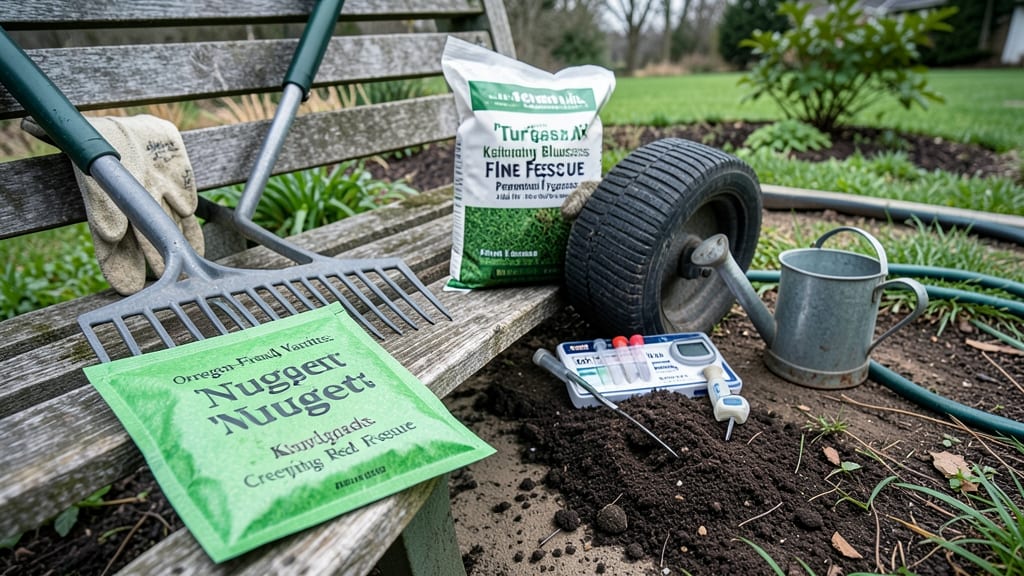
The best time to plant grass seed in Oregon depends on whether you’re coastal or inland — aim for early spring or early fall when soil warmth and moisture align with your microclimate.
Planting grass seed 🌱 at the wrong time in Oregon can mean weak growth, patchy lawns, or wasted effort—especially when coastal and inland climates clash. Timing isn’t just about seasons; it’s about soil warmth, rainfall patterns, and avoiding summer droughts that turn seed into dust.
In Oregon’s 7b-9a zones, coastal areas like the Willamette Valley can plant as early as March, while inland regions should wait until April to avoid late frost risks. Early fall (September-October) is another prime window, giving seed time to establish before winter.
Below, I’ll break down the exact soil conditions to check, how to adjust for your region, and the one mistake that kills germination faster than drought. Ready to get it right the first time?
Oregon’s ideal grass seed planting windows: coastal vs inland timing guide
Oregon’s diverse climate means your grass seed’s success hinges on when you plant—not just where. Coastal regions like the Willamette Valley enjoy milder winters and consistent rainfall, while inland areas like Bend or Boise face hotter summers and earlier frosts.
These differences can shift your planting window by 4-6 weeks, so let’s break it down.
For coastal Oregon, the sweet spot is March through mid-April or September through early October. The soil warms faster here, and spring rains provide natural irrigation. Inland areas, however, should aim for late April to early May or late August to mid-September to avoid summer drought stress.
Even a 2-week delay can mean the difference between lush growth and seed failure.
🌱 Oregon Grass Seed Planting Comparison: Coastal vs Inland
| Factor | Coastal Oregon (e.g., Portland, Eugene) | Inland Oregon (e.g., Bend, Boise, Medford) |
|---|---|---|
| Optimal Planting Window | March 15–April 15 September 1–October 15 |
April 15–May 15 August 15–September 15 |
| Soil Temperature Threshold | 50–55°F (10–13°C) | 55–60°F (13–16°C) |
| Rainfall Dependency | High (natural irrigation) | Low (supplemental watering needed) |
| Key Risk Window | Late frost (after April 1) | Summer drought (June–August) |
| Microclimate Adjustments | Wait 1–2 weeks longer in Astoria | Plant 2–3 weeks earlier in Hood River |
🌿 Pro Tip: Use a soil thermometer to confirm 50°F+ before planting—cooler soils delay germination.
Why does soil temperature matter so much? Grass seed needs consistent warmth to sprout, but not so hot that it dries out. Coastal soils hit 50°F by early March, while inland areas often wait until mid-April.
Check the USDA Plant Hardiness Zone Map for your exact location—Oregon spans Zones 7b to 9a, and even small elevation changes (like 1,000 feet) can shift your timeline by 2 weeks.
Rainfall is another game-changer. Coastal Oregon’s winter rains can make early spring planting tricky—seed may wash away or rot if the ground stays soggy. Inland areas, however, often face drought by June, so planting too late risks seed drying before roots establish.
Aim for 1–1.5 inches of rain per week or supplement with drip irrigation to keep soil moist but not waterlogged.
Don’t overlook microclimates within your region. For example, Portland’s West Hills stay cooler and wetter than downtown, while Medford’s Rogue Valley bakes in summer. If you’re unsure, ask your local OSU Extension office—they’ve tracked frost dates and rainfall patterns for decades.
Their data can help you fine-tune your planting date by 3–5 days for maximum success.
One common mistake? Planting in late summer (July–August). While the soil is warm, weed competition and drought stress often outpace grass growth. Instead, prioritize early fall (September) when temperatures cool, weeds slow down, and roots grow deeper before winter.
This is why 90% of Oregon lawns planted in fall thrive better than spring ones.
For coastal gardeners, another trick is to plant cool-season grasses like Kentucky bluegrass or fescue in late February if you’re eager to start. These varieties tolerate light frost and germinate faster in cooler soils. Just cover seed with straw mulch to protect it from wind and uneven thawing.
Inland areas should stick to warm-season grasses like Bermuda or Zoysia only after May 15, when soil stays above 60°F for 3+ weeks.
Finally, test your soil’s pH and nutrients 2–3 weeks before planting. Oregon’s volcanic soils (like in the Willamette Valley) often need lime to raise pH to 6.0–7.0, while sandy soils in
5 Critical factors that determine success (beyond just months)
Timing your grass seed planting isn’t just about picking a month—Oregon’s unpredictable spring rains and soil temperature swings can turn a great plan into a disaster. Even if you plant in March or September, these 5 hidden factors will make or break your lawn’s success.
Let’s tackle them one by one to ensure your seed doesn’t wash away or bake in the sun.
First, soil moisture levels are the silent killer of new grass. Oregon’s coastal areas can get 6+ inches of rain in March, while inland regions might see just 1 inch. Test your soil’s moisture by squeezing a handful—if it crumbles, it’s too dry.
Aim for consistent dampness (not soggy) for the first 2 weeks after planting. A moisture meter or the old "squeeze test" works perfectly.
Next, weed competition timing often gets overlooked. Weeds like chickweed and dandelions germinate faster than grass seed, especially in early spring. Apply a pre-emergent herbicide 2 weeks before planting, but skip it if you’re using organic methods—hand-pull weeds immediately after they sprout instead.
Pro tip: Use corn gluten meal as a natural pre-emergent in fall.
- 1. Soil Moisture Levels: Test dampness (not soggy) for 2 weeks post-planting. Coastal areas need more frequent checks than inland zones.
- 2. Weed Competition: Apply pre-emergent 2 weeks before planting or pull weeds manually. Chickweed is the #1 grass seed predator in spring.
- 3. Soil Temperature Thresholds: Wait until soil reaches 55°F+ for coastal areas, 60°F+ inland. Use a soil thermometer—don’t guess!
- 4. Rainfall Patterns: Plant when 1-2 weeks of dry weather are forecasted. Oregon’s spring showers can wash seed away if timed wrong.
- 5. Seed-to-Soil Contact: Rake seeds into 1/4-inch deep furrows and press lightly. Poor contact = poor germination, even with perfect timing.
Don’t skip checking soil temperature thresholds. Coastal Oregon (like Portland or Eugene) can plant as early as March when soil hits 55°F, but inland areas (like Bend or La Grande) should wait until April for 60°F+ soil.
Use a soil thermometer—your finger isn’t reliable. Pro move: Bury it for 24 hours to get an accurate reading.
Oregon’s unpredictable spring rains are the wildcard. Plant when the 10-day forecast shows 1-2 weeks of dry weather. If you plant during a heavy rain spell, seeds will wash away or rot.
Check the NOAA Climate Prediction Center for your region before digging in. Waiting for the right window saves hours of backbreaking rework.
Finally, seed-to-soil contact is non-negotiable. Even with perfect timing, seeds left on top of dry soil won’t germinate. Rake them into 1/4-inch deep furrows and press lightly with a lawn roller or your hands.
For large areas, use a drop spreader and follow up with a light rake. Think of it like tucking seeds into a cozy blanket—they’ll sprout faster and stronger.
Master these 5 factors, and your Oregon grass seed will thrive—no matter if you’re in the rainy Willamette Valley or the drier high desert. Start with soil moisture, then tackle weeds, temperature, rain, and contact.
Each step builds on the last, and skipping any one can leave your lawn patchy and weak. Ready to dig in? Grab your tools and let’s get growing! 🌱