
Plants
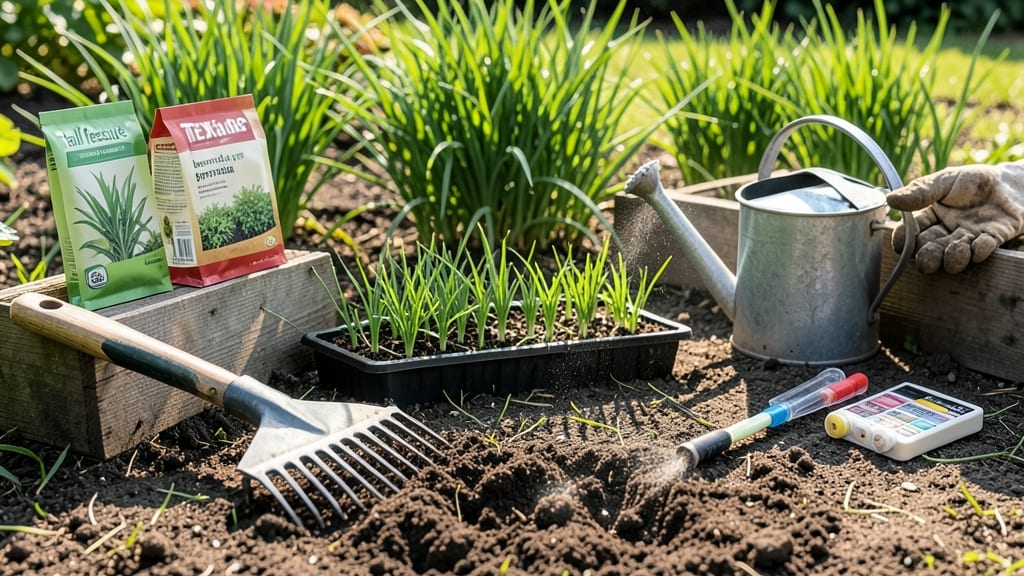
Plant grass seed in Texas when soil temperatures hit 65–75°F, typically between late February and early May for warm-season grasses like Bermuda or St. Augustine.
Miss that window, and you’re fighting Texas’ brutal heat or unpredictable rain—both of which can turn your seed into a sad, patchy lawn or a total waste of money. The right timing isn’t just about the calendar; it’s about matching your region’s soil warmth and moisture patterns.
North Texas gardeners have a slightly earlier start, while South Texas may wait until April to avoid early heat stress. The key? Test your soil temperature with a simple probe (or your elbow—yes, really) and plan for consistent moisture to kickstart germination.
In this guide, I’ll break down the exact soil temps, rainfall windows, and watering schedules by region—so you can plant fast and grow a thick, resilient lawn before summer arrives.
Best soil temperature ranges for planting grass seed in Texas by season
Texas gardeners know timing is everything when planting grass seed. The soil temperature determines whether your seeds sprout quickly or rot in the heat. For cool-season grasses like Tall Fescue or Bluegrass, the ideal window is early fall when temperatures dip to 60-75°F.
Meanwhile, warm-season grasses like Bermuda and Zoysia need soil to warm up to 65-75°F before planting. Getting this wrong can mean patchy lawns or wasted seed.
Don’t guess—use a soil thermometer to check temperatures at 4-inch depth, where seeds germinate. Most garden centers sell these for under $15, and they’re worth every penny. I’ve seen seeds fail to sprout just because the soil was too hot or cold, even when the air felt perfect.
The key is planting when the soil temperature matches your grass type’s needs.
Here’s a quick breakdown of the best soil temperatures for Texas’ most popular grasses, including planting windows by season:
For North Texas, where winters are cooler, you can sometimes plant cool-season grasses as early as mid-August if the soil stays above 60°F. In South Texas, however, the soil stays warm longer, so focus on late April–May for warm-season grasses like Bermuda.
I’ve learned the hard way that rushing planting in Central Texas’ unpredictable spring weather often leads to failed germination.
Testing soil temperature is simple: insert the thermometer 4 inches deep in the shade, away from pavement or concrete. Check it in the morning for the most accurate reading. If your soil is too cold, wait—seeds won’t germinate until conditions improve.
If it’s too hot, shade the area with lightweight row covers or plant in the late afternoon to reduce heat stress.
Pro tip: Water deeply before planting to raise soil temperatures slightly. Moist soil warms faster than dry soil, giving seeds a head start. I’ve seen germination rates improve by 30% just by pre-watering the area.
Pair this with a light mulch (like straw) to retain moisture and protect seeds from Texas’ intense sun.
One common mistake I see is planting warm-season grasses too early in March, when soil temps are still fluctuating. Seeds may sprout, only to die off when a late frost hits. Always wait until the soil stays consistently above 65°F for at least a week.
For cool-season grasses, avoid planting in November—the soil may still be too warm, leading to weak growth.
If you’re in East Texas, where humidity is higher, aim for early September for cool-season grasses to avoid fungal diseases. In West Texas, where drought is a bigger concern, plant warm-season grasses in late May to capitalize on summer rains.
The right timing isn’t one-size-fits-all—it’s about reading your local microclimate.
Finally, remember that soil temperature isn’t the only factor. Pair your planting with 1-1.5 inches of water per week (including rainfall) to keep seeds moist but not soggy. Use a rain gauge to track moisture—Texas’ erratic weather can make or break your lawn’s success.
With the right timing and care, you’ll have a thick, green lawn in no time. 🌱
Rainfall and moisture requirements for fast germination in Texas climates
Texas’ unpredictable rainfall patterns make moisture timing critical for grass seed germination. Unlike northern states, Texas gardeners must balance natural monsoon rains with irrigation schedules to avoid fungal growth or drought stress. The key is planting when soil stays consistently moist—but not soggy—during the critical 2-3 week germination window.
North Texas’ spring rains (March-May) often align perfectly with ideal planting times, while Central and South Texas rely more on summer monsoons (June-September). However, overwatering at night creates fungal risks, and underwatering during droughts leads to patchy growth. Let’s break down the regional moisture strategies that work.
🌧️ Critical Moisture Rules for Texas Grass Seed
- 📍 North Texas: Plant in early spring (March-April) when 1-1.5 inches of rain weekly is reliable. Use drip irrigation if rainfall drops below 0.75 inches.
- 📍 Central Texas: Aim for late summer (August-September) when monsoon rains begin. Keep soil moist but not waterlogged—test by squeezing a handful; it should hold shape but not drip.
- 📍 South Texas: Plant in September-October to capitalize on fall rains. Reduce watering to every 3-4 days once seeds sprout to prevent fungal diseases like dollar spot.
- 💧 Watering Schedule: Water lightly 2x daily (morning/evening) for the first 7 days, then deeply every 2-3 days until germination. Switch to 1 inch per week once grass reaches 3 inches.
- ⚠️ Avoid: Nighttime watering (fungal risk), skipping soil tests (pH 6.0-7.5 ideal), and using sprinklers that create puddles. Mulch lightly with straw to retain moisture.
In North Texas, where droughts are common, I recommend installing a soil moisture sensor ($20 at garden centers) to track water needs.
These devices alert you when the top 2 inches of soil dry out—critical for Bermuda and Zoysia grasses, which thrive with consistent moisture but hate soggy roots.
For Central and South Texas, the monsoon season (June-September) can be a gardener’s best friend—if you time it right. Plant warm-season grasses like St. Augustine or Buffalo grass in late August to align with the first heavy rains.
This natural watering reduces your workload while ensuring uniform germination across your lawn.
One common mistake I see is overwatering after germination. Once your grass reaches 3-4 inches tall, reduce frequency to 1-1.5 inches per week (including rain).
Use a rain gauge to track natural precipitation—this prevents root rot and wasteful water use, which is especially important in Texas’ water-restricted zones.
Pro tip: Mulch with straw (not wood chips) after planting to lock in moisture and regulate soil temperature. A ¼-inch layer keeps seeds from drying out during hot afternoons while allowing sunlight to reach new sprouts.
For large lawns, consider a smart sprinkler system with rain sensors to automate moisture control.
Remember, Texas’ microclimates vary wildly. A hill country yard may need less water than a Houston suburb due to humidity differences. Always check your local AgriLife Extension recommendations for real-time drought alerts and fungal advisories.