
Plants
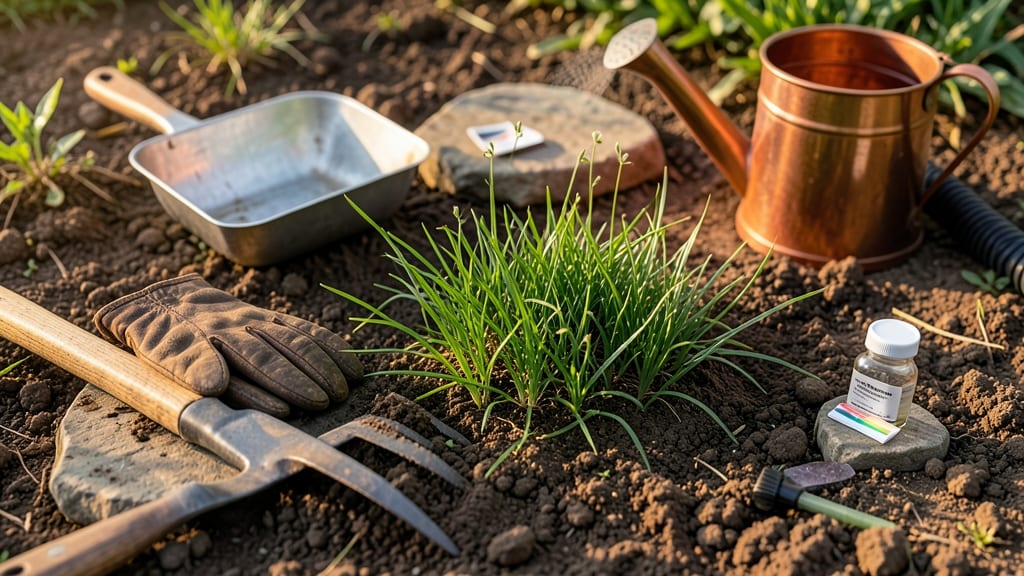
The best time to plant grass seed in Maryland is between early spring and early fall, when soil temperatures consistently hit 55–65°F and frost-free days stretch ahead.
Maryland’s humid summers and unpredictable winters make timing your grass seed planting a critical factor in achieving a lush, weed-resistant lawn—get it wrong, and you’ll waste seeds or face early frost damage.
For cool-season grasses like tall fescue (the top choice for Maryland’s 7a-7b zones), aim for March through April or September through October, when moisture levels are ideal and weeds are less competitive.
Below, I’ll walk you through soil prep, frost-free deadlines by region, and the 3 grass varieties that thrive in Maryland’s climate—so you can skip the guesswork and plant with confidence.
Maryland’s ideal grass planting window: soil temperature & frost-free deadlines
Timing your grass seed planting in Maryland is all about soil temperature and frost-free windows. The Old Line State’s USDA Zones 7a-7b create two prime seasons: early spring and early fall.
Planting outside these windows risks seed washout or frost damage, so let’s break down the ideal 55–65°F soil window and regional deadlines.
Maryland’s climate varies dramatically between regions—Baltimore’s urban heat island effect delays frost, while Western Maryland’s Appalachian foothills experience earlier freezes. The Eastern Shore has a 2-week longer growing season than the DC metro area. Understanding these microclimates helps you avoid wasted seed or stunted growth.
🌱
| Region | Spring Planting Window | Fall Planting Window | Soil Temp Threshold | Avg Last Frost |
|---|---|---|---|---|
| Baltimore/DC Metro | Mid-March to early May | Mid-September to late October | 55–65°F (consistently) | April 10–15 |
| Eastern Shore | Late February to early May | Late August to mid-November | 55–65°F (consistently) | April 5–10 |
| Western MD (Frederick, Hagerstown) | Late March to early May | Mid-September to early November | 55–65°F (consistently) | April 15–20 |
| All Regions (Microclimates) | Adjust 1–2 weeks earlier for south-facing slopes | Adjust 1–2 weeks later for shaded areas | Use soil thermometer (6" deep) | First frost: Nov 10–20 |
Spring planting in Maryland kicks off when daytime highs hit 60°F consistently, typically mid-March in the Eastern Shore but not until late March in Western MD’s higher elevations. Use a soil thermometer to confirm 55–65°F at 6" depth—this ensures optimal germination without washout from spring rains.
Fall is Maryland’s best planting window because cooler temps reduce weed competition and dormant grass establishes deeper roots before winter. Aim to plant 6–8 weeks before your region’s first frost (typically mid-September in Baltimore, late September on the Eastern Shore).
This gives seedlings 4–6 weeks to root before dormancy sets in.
🌿
For cool-season grasses (like tall fescue or Kentucky bluegrass), Maryland’s spring window closes by May 15—after that, summer heat stresses young seedlings. Warm-season grasses (like Bermuda) can handle late spring planting but require consistent moisture to establish before July’s heat sets in.
Pro tip: Check the University of Maryland Extension’s frost maps annually—they’re updated with 5-year averages for microclimate adjustments. For example, southern Maryland (near Calvert County) often sees 10–14 frost-free days longer than northern Baltimore County.
Planting 2 weeks early in these areas can mean the difference between thick turf and bare spots.
🌡️
If you’re unsure about your soil temperature, dig a 6-inch hole in a shady spot and check with a thermometer. Below 55°F slows germination, while above 65°F can cause seed desiccation.
Maryland’s clay-heavy soils also retain cold longer—amend with compost to warm up faster. For urban areas, pavement and buildings create microclimates that may allow 2-week earlier planting.
Remember: Seed depth matters. In Maryland’s cooler springs, plant ¼-inch deep; in warmer falls, go ⅛-inch deep to prevent drying out. Water lightly twice daily until germination (about 10–14 days), then taper to 1 inch per week once established.
✂️
How to prepare your Maryland lawn for grass seed success
Before you even think about spreading grass seed, Maryland’s clay-heavy soils and humid climate demand careful prep work. Skipping this step means wasted seeds, uneven germination, and a lawn that struggles to compete with weeds.
The key? A 4-step checklist tailored to your local conditions—from soil pH to weed control timing.
Start by testing your soil’s pH level, which should sit between 6.0 and 7.0 for optimal grass growth. Maryland’s acidic soils often need lime amendments, but overdoing it can burn tender grass seedlings.
Pair this with a weed control treatment 2–3 weeks before planting to eliminate competition without harming your new grass.
Maryland’s last frost date (around April 15) and first frost (mid-November) create a narrow window. Planting before soil reaches 55°F (early spring) or after September 30 risks seed rot or frost damage. Use a soil thermometer—consistent 60–65°F is ideal for cool-season grasses like tall fescue.
Next, till the soil to a depth of 3–4 inches, breaking up compacted clay layers that restrict root growth. Maryland’s heavy soils benefit from organic matter like compost or peat moss—aim for a 1-inch layer mixed into the topsoil. This improves drainage and seed-to-soil contact, critical for germination rates.
Level the soil surface with a rake, removing rocks and debris larger than ¼ inch. Uneven areas trap moisture, leading to fungal issues. For slopes, create contour rows to slow water runoff and prevent erosion. A smooth, firm seedbed ensures even seed distribution and contact with the soil.
Finally, apply a starter fertilizer with high phosphorus (e.g., 10-20-10) to jumpstart root development. Skip nitrogen-heavy fertilizers at this stage—they can burn seedlings. Water lightly after planting to settle seeds, then maintain 1 inch of moisture weekly until germination (typically 7–21 days for cool-season grasses).
By following these steps, you’ll create the perfect foundation for your Maryland lawn—one that outpaces weeds and thrives in your local climate. The payoff? A dense, green carpet that lasts through Maryland’s toughest seasons. 🌱