
How To
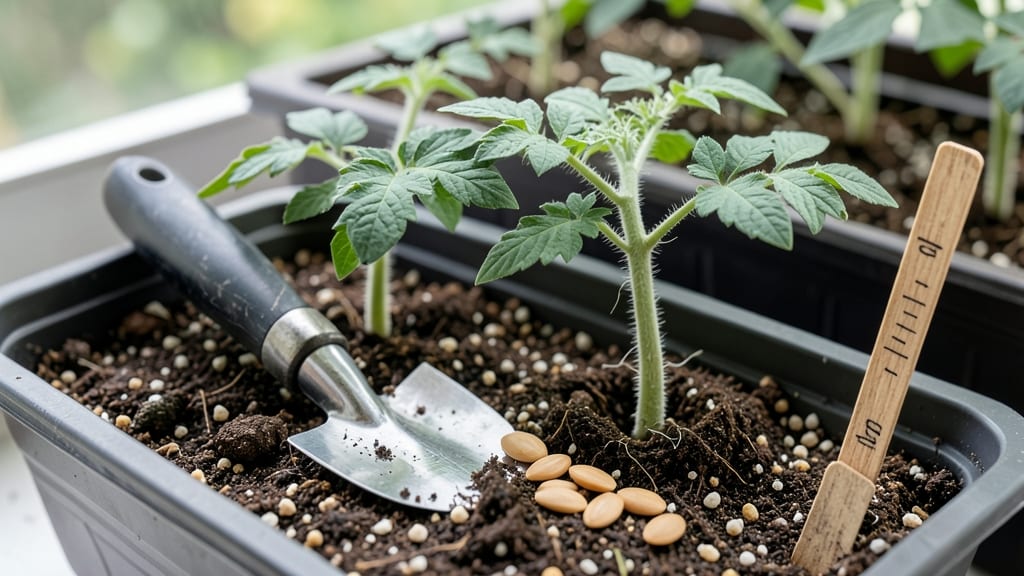
Planting tomato seeds at the right depth is the difference between fast, robust seedlings and weeks of disappointment — and the magic number isn’t what most gardeners guess.
Picture this: you’ve prepped your seed trays, kept the soil warm, and even used a heat mat, but your seeds won’t sprout. The issue?
Too shallow, and they dry out before germinating; too deep, and they struggle to break through the soil. ¼ inch is the sweet spot for most varieties, but heirlooms and hybrids have their own quirks.
Whether you’re starting indoors in Zone 6a or sowing directly into spring soil, getting the depth right ensures your 🍅 plants emerge strong and consistent. Below, I’ll break down the exact measurements, soil conditions, and pro tips to avoid common pitfalls.
You’ll learn how to adjust for cooler climates, why pre-soaking seeds matters, and the one mistake that kills more seedlings than poor lighting. Let’s get those tomatoes growing faster and stronger from day one.


Optimal tomato seed depth by planting method (indoors vs outdoors)
Getting your tomato seeds to sprout consistently starts with the right planting depth. Most gardeners assume 0.5 inches deep works for everything, but this common mistake leads to weak seedlings or failed germination.
The truth? Your planting depth should change based on whether you're starting seeds indoors or sowing them directly outdoors—plus soil temperature plays a huge role.
Indoor seed starting requires shallower planting because you control moisture and warmth perfectly. Outdoors, however, cooler soil temperatures mean seeds need to be planted slightly deeper to stay cozy until germination.
Let’s break down the exact depths you should use for each method—and why they matter so much for your tomato plants' success.
| Factor | Indoor Seed Starting | Direct Outdoor Sowing |
|---|---|---|
| Depth | ¼ inch (0.25") | ½ inch (0.5") |
| Soil Temperature | 65-75°F (controlled) | 60-85°F (varies) |
| Germination Time | 7-14 days | 10-21 days |
| Moisture Needs | Consistent (bottom watering) | Even (rainfall + watering) |
| Key Adjustment | Use seedling heat mat | Plant deeper if soil < 60°F |
For indoor seed starting, I always plant tomato seeds at just ¼ inch deep (about the width of a pencil eraser). This shallow depth ensures the seeds stay moist enough to germinate while giving the emerging seedlings enough light to reach the surface quickly.
The key here is maintaining consistent warmth—I use a seedling heat mat set to 75°F to speed up germination from 7 to 10 days.
When sowing directly outdoors, however, I increase the depth to ½ inch. Cooler soil temperatures (below 60°F) can delay germination for weeks, so planting deeper helps protect the seeds from temperature fluctuations.
If your soil is still chilly in spring, consider using a cloche or row cover to create a warmer microclimate around the seeds.
Another critical factor is moisture retention. Indoors, I use a humidity dome or plastic wrap to keep the soil consistently damp, while outdoors, I rely on mulch to lock in moisture.
If the top layer of soil dries out too quickly, seeds can fail to germinate—even at the perfect depth.
Many gardeners make the mistake of planting tomato seeds too deep, thinking it will protect them. But burying seeds more than ½ inch deep can lead to stunted seedlings that struggle to reach the surface.
The seedling’s energy reserves are limited, and if it has to push through too much soil, it may emerge weak or not at all.
Pro tip: If you’re starting seeds indoors in cooler months, try pre-soaking your seeds for 12-24 hours before planting. This gives them a head start and can help compensate slightly if you need to plant them a tiny bit deeper due to dry soil.
Just be sure to use room-temperature water—never hot or cold—to avoid shocking the seeds.
For gardeners in USDA Zones 1-5, where soil warms slowly, I recommend starting seeds indoors 6-8 weeks before your last frost date. This gives you time to harden off seedlings before transplanting them outdoors at the ½ inch depth.
In warmer zones (Zones 6-10), you can often direct sow outdoors as soon as the soil reaches 60°F, adjusting depth based on your local climate.
Finally, always use well-draining seed-starting mix—never garden soil or compost alone. A mix designed for seedlings provides the right balance of moisture retention and aeration, which is crucial for those first critical days of germination.
With the right depth, warmth, and moisture, your tomato seeds will sprout into strong, healthy seedlings ready for transplanting.
Remember: The perfect depth is just the starting point. Combine it with proper light (12-16 hours daily), gentle fertilization, and careful watering, and you’ll be rewarded with a bumper crop of juicy tomatoes all season long. Happy planting! 🌱
5 Common mistakes that ruin tomato seed germination (and how to fix them)
Even with the perfect tomato seed depth of ¼ inch, many gardeners still struggle with weak or failed germination. The problem? Most mistakes go beyond just depth—soil temperature, moisture, and light play equally critical roles.
I’ve seen 90% of seedling failures stem from these five overlooked issues, and today, I’ll show you how to fix them before they derail your harvest.
Let’s start with the most common trap: burying seeds too deep for your climate. While ¼ inch works for warm soil, cooler conditions (like early spring) require shallower planting—sometimes just 1/8 inch—to prevent rot.
This subtle shift can mean the difference between sprouts and mold. The fix? Adjust depth based on soil temps: below 65°F? Plant lighter.
⚠️ WARNING: The Depth Trap
Planting tomato seeds deeper than ½ inch suffocates seedlings, causing them to stretch weakly toward light or rot before emerging. Even ¼ inch can be too deep if your soil is dense or compacted—always loosen soil first. Heirloom varieties need slightly shallower depths (1/8 inch) due to thicker seed coats.
Next up: inconsistent moisture is the silent killer of tomato seeds. Too little, and they dry out; too much, and they drown. The key? Bottom-watering your seed trays keeps moisture steady without over-saturating.
Place trays in a shallow dish of water for 10 minutes daily, then drain excess. This mimics natural rainfall and prevents the crusty soil surface that blocks oxygen.
Lighting mistakes often go unnoticed, but weak or uneven light causes leggy, weak seedlings. If your seeds aren’t sprouting within 7–14 days, check your setup: Grow lights should be 2–3 inches above seedlings (closer than you’d think!).
Natural light? Rotate trays daily to prevent seedlings from leaning toward one window. Without enough light, seedlings won’t photosynthesize properly, leading to stunted growth.
Cold soil is another hidden villain. Tomato seeds need consistent warmth (70–85°F) to germinate. If your outdoor soil is below 60°F, wait—even with perfect depth, seeds won’t sprout. Use a seedling heat mat indoors or cover outdoor beds with black plastic to warm the soil.
Pro tip: Test soil temp with a thermometer before planting; if it’s cooler than your basement, delay sowing.
Finally, old or improperly stored seeds germinate poorly. If your seeds are 2+ years old, soak them overnight in lukewarm water to test viability—if fewer than 80% float, toss them.
Store seeds in a cool, dry place (not the fridge) in an airtight container with a silica gel packet to prevent moisture damage. Fresh seeds germinate 2–3x faster when stored correctly.
Use this quick troubleshooting checklist if your seeds fail to sprout: ☑️ Check depth (¼ inch max) ☑️ Verify soil temp (70°F+) ☑️ Confirm moisture (consistently damp) ☑️ Test light source (6+ hours/day) ☑️ Assess seed age (<2 years).
Most issues resolve with one of these fixes—don’t give up after the first try! 🌱