
Companion Plants
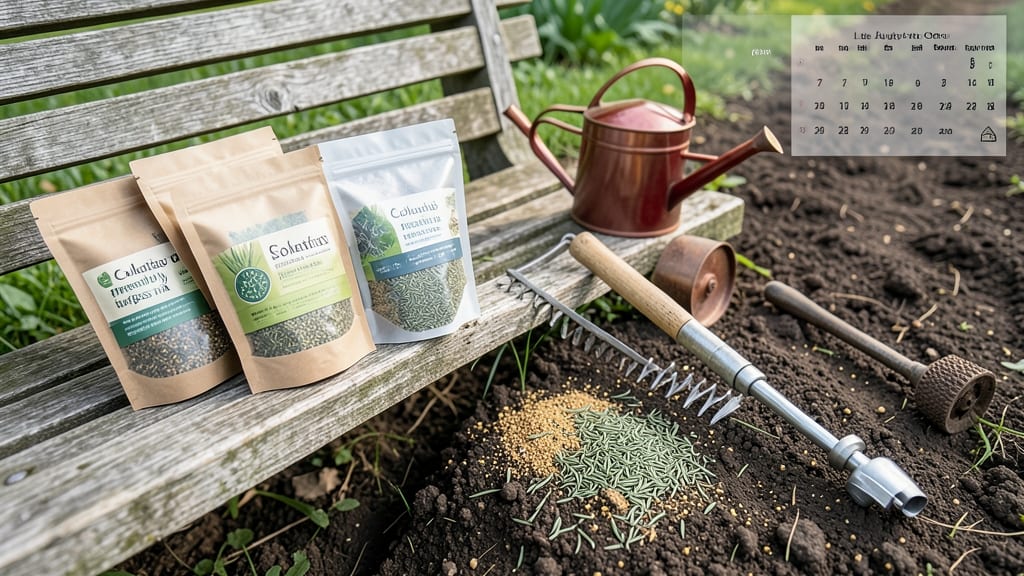
Planting grass seed in Colorado depends on your elevation and microclimate — aim for early spring (March–April) or early fall (August–September) when soil temperatures hit 50°F and frost risks fade.
Timing your grass seed planting wrong can mean wasted money and months of patchy lawns—especially with the state’s dramatic elevation shifts and unpredictable microclimates.
Whether you’re on the Front Range, Western Slope, or High Plains, the right window ensures strong germination and a lush lawn by summer.
Below, I break down exact months by zone, soil prep tips, and how to protect seedlings from Colorado’s sudden frost or drought.
Colorado grass planting zones by elevation: exact months for cool-season success
Colorado’s dramatic elevation shifts create wildly different planting windows—what works in Denver (5,280 ft) fails in Aspen (7,800 ft). Cool-season grasses like Kentucky bluegrass and fescue thrive when planted during stable soil temperatures (50–65°F) and predictable moisture.
Miss these windows, and you’ll battle late-spring frosts or summer drought stress.
Your elevation zone dictates the perfect timing: High Plains (3,500–5,000 ft) can plant 2–4 weeks earlier than Mountain regions (7,000–9,000 ft). Below, I’ve mapped exact months for Front Range, Mountain, and High Plains lawns, plus the best grass seed varieties for each.
For Front Range lawns (Denver, Colorado Springs), aim for late March to mid-April or late August to mid-September. These windows align with stable soil temperatures and predictable rainfall.
My go-to variety here is Kentucky bluegrass mixed with fine fescue—it handles our hot summers and cold winters better than pure stands.
If you’re in Mountain regions (Estes Park, Breckenridge), wait until late April or September—earlier planting risks late frosts that kill tender seedlings. Chewings fescue is my top pick here; it tolerates shorter growing seasons and thin mountain soils.
Always test soil moisture: dry mountain air can dry out seeds in days.
High Plains (Fort Collins, Greeley) get a 2-week head start thanks to warmer early springs. Plant Buffalo grass or tall fescue by mid-February for a fuller lawn by summer. Just watch for windburnwindbreaks or mulch to survive.
No matter your zone, avoid planting in May or October. May brings unpredictable heat waves, while October’s early frosts can stunt growth. Instead, use these windows to overseed or repair thin patches—just keep seeds lightly covered (¼ inch max) and water daily until germination.
For frost-prone areas, try perennial ryegrass—it germinates faster (7–14 days) than Kentucky bluegrass, giving seedlings a head start before late-spring frosts. Pair it with fine fescue for shade tolerance and drought resistance.
Protect your investment with row covers or lightweight mulch if unseasonal frosts hit. In my Denver garden, I’ve seen 50°F nights in May wipe out new grass—
Microclimate factors that shift your planting window by 4–6 weeks
Colorado’s USDA zones 4–7 give you a general guideline, but your actual microclimate can shift your ideal planting window by 4–6 weeks earlier or later.
Urban heat islands in Denver can make spring arrive 2 weeks sooner than the mountains, while windy high plains areas may delay germination until soil warms consistently.
Your yard’s unique conditions—like nearby water bodies, soil moisture retention, or urban pavement heat—create microclimates that override official frost dates.
For example, a south-facing slope in Colorado Springs might be ready for grass seed in early March, while a shaded north-facing yard in Boulder could wait until mid-April.
Don’t guess—test your microclimate’s readiness with these key factors that directly impact germination success:
- 1 Soil temperature: Use a soil thermometer—plant when it hits 50°F (10°C) for 5+ consecutive days.
- 2 Urban heat islands: Pavement and buildings can add 5–10°F to air temps—plant 2 weeks earlier in city centers.
- 3 Wind exposure: High plains areas lose 30% moisture faster—water daily until seedlings are 2 inches tall.
- 4 Water bodies: Lakes/rivers create cooler microclimates—delay planting by 3 weeks if within 1/4 mile.
- 5 Slope direction: South-facing slopes warm 1–2 weeks faster than north-facing—adjust your calendar accordingly.
For example, my Denver front yard (zone 5b) gets 3 extra weeks of growing season because of pavement heat, while my mountain cabin (zone 4a) often waits until May 1 due to late snowmelt. Use a local weather station or Almanac frost charts to fine-tune your dates.
Pro tip: If your microclimate runs hotter than average, try shade-tolerant grasses like fine fescue to reduce water needs. For cooler areas, Kentucky bluegrass germinates faster in 55°F soil.
Test your microclimate now by checking soil moisture at 2-inch depth—if it’s dry by 10 AM, you’re in a high-evaporation zone and should plant 2 weeks later than the official window. 🌱