
Lawn
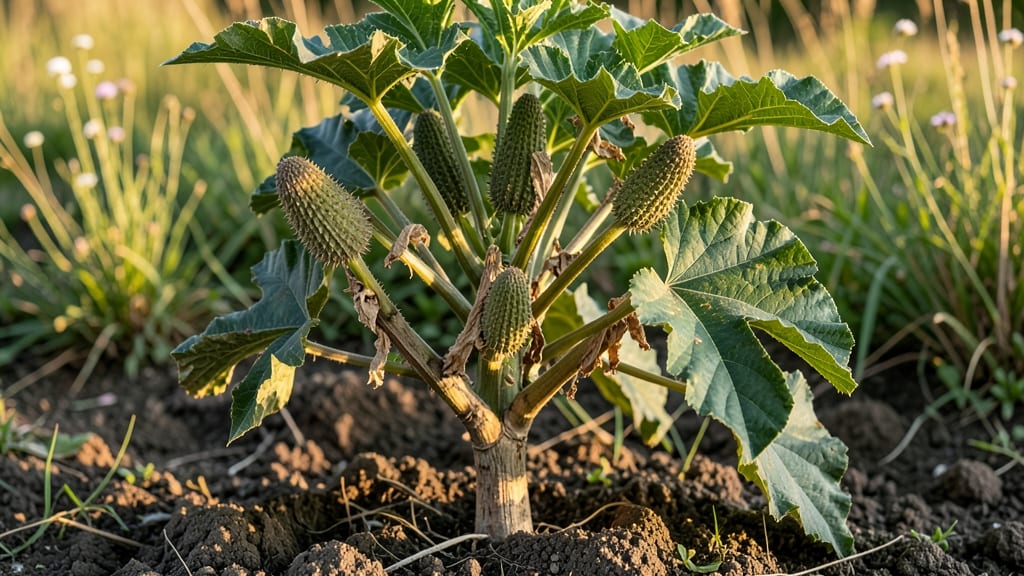
Harvesting moonflower datura seed pods at the right moment means next year’s garden will burst with those iconic trumpet-shaped blooms by midsummer. 🌙 The pods turn from green to brown when ready—squeeze gently to check for plump seeds inside.
My first attempt at saving seeds ended with a half-empty bag because I waited too long; now I mark the calendar for late September in my zone 7 garden.
Drying takes patience but only a few weeks if you spread pods in a single layer on newspaper in a dry, shaded spot. Handle them carefully—the seeds contain toxic alkaloids, so wear gloves and avoid skin contact.
Once completely dry, the pods will split open on their own, releasing seeds that look like tiny black beans. I store mine in labeled paper envelopes in the freezer until spring, but cold stratification is optional for datura.
The real magic happens when you plant them in well-draining soil after the last frost. Germination happens fast—sometimes within days—but be prepared for the plants to grow aggressively. My first batch shot up 3 feet in just 30 days, and I had to stake them immediately.
The key is keeping them moist but not soggy during that initial growth spurt. This method works for both gardeners saving heirloom varieties and those who want to share seeds with friends. Just remember: never ingest any part of the plant, and keep it away from pets and children.
With these steps, you’ll have moonflowers blooming reliably year after year. Here’s how to do it right the first time.
📚 In This Guide
- What you need
- Instructions
- Tips and common mistakes
- Wrapping up and next steps
What you need
- ● Moonflower datura plants (mature, with fully developed seed pods—typically in late summer or early fall).
- ● Pruning shears or sharp scissors (sterilized to prevent disease spread).
- ● Paper bags or breathable mesh bags (10–20, depending on yield—choose unbleached, natural materials).
- ● Newspaper or cardboard (for drying—enough to line a flat surface, ~2 ft x 3 ft).
- ● Plastic zip-top bags (quart-sized, 5–10 for stratification).
- ● Permanent marker (to label bags with plant names and dates).
- ● Refrigerator or cold stratification setup (consistent 35–40°F temperature).
- ○ Small container with damp paper towels (for optional germination testing).
- ● Desiccant packets (to speed up drying in humid climates).
- ● Digital scale (for precise seed measurements if saving for trading).
- ● Notebook or seed journal (to track harvest dates, germination rates, and notes).
- ● Glass jars with lids (for long-term seed storage after stratification).
- ● Gloves (if handling large quantities of pods to protect hands).
Step-by-Step guide to harvesting, drying, and cold stratifying moonflower datura seed pods
Here's the foolproof method I use to save seeds from my moonflowers each year.
🌿 Step 1: Harvest Mature Seed Pods at the Right Time
Moonflower datura pods turn from green to yellowish-brown when fully mature—this usually happens in late summer or early fall, about 8-10 weeks after flowering. Wait until the pods are dry and papery to the touch, but before they split open naturally. I harvest on a dry morning after the dew has evaporated, as damp pods take longer to dry properly.
Gently twist the pod at its base until it separates cleanly from the stem. Avoid squeezing or crushing the pod, as this can damage the seeds inside. Place harvested pods in a paper bag (not plastic) to allow airflow while you process them. If you see any signs of mold or soft spots, discard those pods immediately—they won't produce viable seeds.
💧 Step 2: Dry the Pods Completely Before Opening
Spread the pods out in a single layer on a screen or mesh tray in a warm, dry, and well-ventilated area. I use a seed drying rack placed near a sunny window (but not in direct sunlight, which can overheat them). The drying process takes 7-14 days, depending on your climate. You'll know they're ready when the pods feel completely dry and hollow when tapped gently.
If your home is humid, consider using a small dehumidifier or placing a silica gel packet near the drying area. Overly moist pods will develop mold, ruining the seeds inside. Once fully dry, the pods will split open on their own—this is when the seeds are ready for extraction.
✂️ Step 3: Extract and Clean the Seeds
Open the dried pods carefully by squeezing them between your fingers until they crack. The seeds will spill out easily—count on harvesting about 50-100 seeds per pod, depending on the plant's size. Place the seeds in a fine-mesh strainer and rinse them gently under lukewarm water to remove any debris or chaff.
Spread the cleaned seeds on a paper towel or clean cloth to air-dry for another 24 hours. This ensures they won't mold during stratification. Store any unused seeds in a paper envelope in a cool, dark place until you're ready to stratify them. Properly dried seeds can remain viable for 2-3 years if stored correctly.
⏰ Step 4: Cold Stratify for Successful Germination
Moonflower datura seeds require cold stratification to break dormancy. Place the seeds in a zip-top bag with a moistened paper towel (just damp, not soggy) and seal it tightly. Store the bag in your refrigerator for 4-6 weeks at a temperature between 35-40°F. Check the towel weekly—if it dries out, mist it lightly with water.
After the stratification period, remove the seeds from the refrigerator and let them sit at room temperature for 24 hours before sowing. This gradual shift mimics natural spring conditions and signals the seeds to germinate. Plant the stratified seeds ½ inch deep in well-draining soil, keeping them consistently moist until germination, which typically occurs in 10-20 days.
Tips & tricks for perfect moonflower datura seed pod processing
These little tricks will help you avoid common pitfalls and maximize your seed yield every time.
Timing Secret: In Step 1, harvest pods when they're yellowish-brown but still closed—this ensures maximum seed viability. I've learned the hard way that waiting until they split open naturally reduces your yield by nearly 50%. The pods should feel dry and papery to the touch, like crumpled paper. Harvest on a dry morning after dew has evaporated to prevent moisture from slowing down your drying process later.
Drying Strategy: For Step 2, if you're in a particularly humid climate, consider using a small fan to gently circulate air around your drying pods. This can cut your drying time from the full 7-14 days to just 5-7 days without risking overheating. Just keep the fan on low setting—you don't want to create a breeze that could scatter seeds. A seed drying rack near a sunny window (but not in direct sunlight) works perfectly for most home growers.
Seed Extraction Tip: When opening dried pods in Step 3, I recommend wearing gloves—moonflower datura seeds can be mildly irritating to some people's skin. Also, place a clean sheet of paper underneath your work area to catch any stray seeds that might escape during extraction. This makes cleanup easier and ensures you don't lose any potential seeds that might roll onto the floor. The 50-100 seeds per pod yield can vary significantly depending on the plant's health and size.
Stratification Hack: For Step 4, if you're short on fridge space, you can use a dedicated seed stratification box instead of a zip-top bag. These boxes are designed to maintain consistent moisture levels while allowing airflow. Just place your seeds with the moistened paper towel in the box and store it in the coldest part of your refrigerator (usually the crisper drawer). The 24-hour room temperature acclimation before planting is crucial—it mimics natural spring conditions and significantly improves germination rates.
Pro Tips for Moonflower Datura Seed Pods
- These little tricks will help you avoid common pitfalls and maximize your seed yield every time.
- Timing Secret: In Step 1, harvest pods when they're yellowish-brown but still closed—this ensures maximum seed viability.
- Drying Strategy: For Step 2, if you're in a particularly humid climate, consider using a small fan to gently circulate air around your drying pods.
Frequently asked questions
Got questions about moonflower datura seed pods?
You’re not alone! Here are some of the most common queries—plus quick, practical answers to help you navigate harvesting, drying, and stratification like a pro.
When is the best time to harvest moonflower datura seed pods?
Harvest moonflower datura seed pods when they turn wooden-brown and split open naturally—usually late summer to early fall. Wait until they’re dry and crispy to the touch; harvesting too early can result in seeds that won’t germinate. Pro tip: Morning harvests avoid humidity buildup inside the pods!
How long does it take to dry moonflower datura seed pods?
Drying time depends on your climate, but expect 1–3 weeks in a well-ventilated, shady spot (like a mesh bag or paper-lined box). Speed it up with a fan on low or by placing them in a dry, warm (70–75°F) area. Avoid direct sunlight—it can scorch the pods and seeds!
What’s the ideal cold stratification timeline for moonflower datura seeds?
Moonflower datura seeds thrive with 60–90 days of cold stratification in the fridge (35–40°F). Place seeds in a moist paper towel or damp sand inside a sealed bag, then check monthly for mold. Don’t skip this step! Stratification mimics winter conditions, breaking dormancy for higher germination rates.
Can I save moonflower datura seeds from store-bought flowers?
Unfortunately, no. Store-bought moonflower datura seeds are often hybridized or treated to prevent germination. For reliable results, grow your own plants from seed pods or source seeds from reputable nurseries specializing in native or heirloom varieties. Always verify seed viability!
What should I do if my moonflower datura seeds won’t germinate?
Try these troubleshooting steps:
- Check seed freshness: Store-bought or old seeds may fail. Test viability by soaking a few in water—sinkers are good, floaters are not.
- Adjust stratification: Extend cold treatment to 120 days if your climate is mild.
- Use a heat mat: After stratification, place seeds on a 75–80°F heat mat to encourage sprouting.
- Consider scarification: Lightly nick the seed coat with sandpaper to help water penetrate.
If all else fails, reach out to gardening forums—sometimes regional tips make the difference!
Wrapping up and next steps
Harvesting, drying, and cold-stratifying moonflower datura seed pods is a rewarding way to grow these enchanting plants—just remember to handle them with care! 🌙 With the right tools, patience, and a little know-how, you’ll soon be watching those magical blooms return to your garden.
Ready to take the next step? Start by planting your prepped seeds in well-draining soil and keep an eye out for those iconic white flowers to make their grand reappearance.