
Lawn
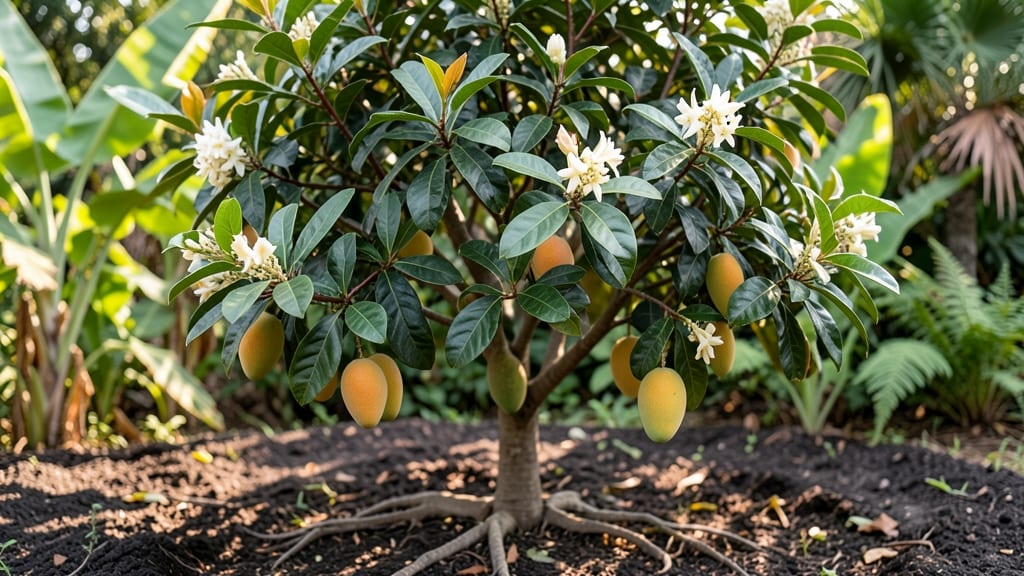
Growing a jelly seed mango from store-bought fruit is easier than you think—no tropical paradise required. 🌱 I've nursed these sweet, golden fruits to maturity in my own backyard, and the secret lies in patience, the right soil mix, and understanding their stubborn growth habits.
The first step is saving that pit from your grocery-store mango and germinating it, which can take 4-6 weeks to crack through the shell. Once sprouted, these trees grow fast—expect 3-5 feet of growth in their first year—but fruit won't appear until years 4-6.
The real magic happens when you provide well-draining, slightly acidic soil and protect young plants from harsh winds. By summer, you'll be harvesting fruit that rivals commercial varieties, with that signature jelly-like texture when ripe.
The trees thrive in USDA zones 10-11 but can survive cooler winters with proper protection, making them perfect for subtropical climates. This isn't just about growing fruit—it's about transforming a simple grocery store pit into a shade-providing, fragrant centerpiece that produces fruit for decades. Let's get those seeds growing!
📚 In This Guide
- What you need
- Instructions
- Tips and common mistakes
- Wrapping up and next steps
What you need
- ● Jelly seed mango seeds – 1-3 fresh, viable seeds (harvested from ripe fruit). Pro tip: Soak seeds in warm water for 24 hours to speed up germination! 💡
- ● Well-draining potting mix – 5-10 gallons (for pots) or garden soil amended with compost (for in-ground planting). Look for a blend labeled "tropical" or "citrus-friendly."
- ○ Containers (optional but recommended for beginners) – 5-7 gallon pots with drainage holes (if growing in containers). Terracotta pots work best!
- ● Fertilizer – Slow-release organic fertilizer (e.g., 10-10-10 or citrus-specific formula). Start with a balanced NPK ratio.
- ● Gloves – A pair of gardening gloves (to protect your hands from soil and sharp seed coats).
- ● Spray bottle – For misting seeds during germination.
- ● Trowel or small shovel – For planting seeds or transplanting seedlings.
- ○ Mulch (optional) – Straw or wood chips to retain moisture and regulate soil temperature.
- ● Sunlight access – A location with 6+ hours of direct sunlight daily (or a grow light for indoor setups).
- ● Watering can or hose with gentle spray – Avoid overwatering!
- ● A sunny indoor spot (e.g., near a south-facing window).
- ● A greenhouse or conservatory for year-round growth.
Step-by-Step instructions for growing jelly seed mangoes
Here’s how to transform that grocery store pit into a thriving mango tree.
🌱 Step 1: Extract and Prepare the Seed
Start by cleaning the mango pit thoroughly under running water to remove any fruit residue. Use a sharp knife to carefully slice off both ends, exposing the seed inside. The seed is the large, oval-shaped nut—this is your future tree! I like to soak the seed in warm water for 24 hours to soften the outer shell, which makes cracking it open easier.
After soaking, place the seed between two paper towels and wrap it tightly. Store it in a sealed plastic bag in the refrigerator for 30-60 days. This cold stratification mimics winter conditions and breaks seed dormancy. Check the seed weekly—it’s ready when the paper towel feels damp but not soggy, and you see a tiny root emerging.
☀️ Step 2: Germinate the Seed Indoors
Once the seed sprouts a 1-inch root, it’s time to plant. Fill a small pot—4-6 inches deep—with a well-draining seed-starting mix. Press the seed lightly into the soil so the root is covered but the top half remains exposed. Water gently until the soil feels moist but not waterlogged.
Place the pot in a warm, bright spot with indirect light (like a south-facing window with sheer curtains). Keep the soil consistently moist—not soggy—by watering when the top inch feels dry. Within 2-4 weeks, you’ll see the first true leaves emerge. This is your signal the seedling is thriving and ready for the next phase.
🪴 Step 3: Transplant to a Larger Container
When the seedling reaches 6-8 inches tall and has 4-6 leaves, it’s time to upgrade. Choose a 1-gallon pot with drainage holes and fill it with a mix of potting soil and perlite (half and half) for better aeration. Gently remove the seedling from its small pot, loosen the roots if they’re circling, and plant it at the same depth it was growing before.
Water thoroughly after transplanting to help the soil settle around the roots. Place the pot in a spot with bright, indirect light for the first week to reduce stress. After that, gradually introduce it to direct sunlight for 4-6 hours daily. Mango trees love warmth—keep the soil temperature above 65°F to encourage strong growth.
✂️ Step 4: Prune and Train for Strong Growth
Once your mango tree reaches 12-18 inches tall, it’s time to shape it. Use clean pruning shears to trim back any leggy or weak stems to encourage bushier growth. Focus on removing stems that grow inward or cross each other—they’ll compete for sunlight and nutrients. I also pinch off the tips of new growth to promote branching, which helps the tree develop a sturdy structure.
If you’re growing indoors, rotate the pot a quarter turn weekly so the tree grows evenly toward the light. Outdoor trees should be staked if they grow taller than 3 feet to prevent them from toppling. Fertilize lightly with a balanced, water-soluble fertilizer every 4-6 weeks during the growing season (spring and summer) to support healthy foliage and root development.
🌿 Step 5: Transition to Outdoor Conditions (If Applicable)
If you live in a USDA Zone 10 or warmer, your mango tree can eventually move outdoors. Harden it off by placing it outside in a sheltered, shaded spot for 1-2 hours the first day, gradually increasing exposure over 10-14 days. Watch for signs of stress like wilting or yellowing leaves—these mean it’s adjusting too quickly.
Outdoor mango trees thrive in full sun and warm climates. If you’re in a cooler zone, keep it in a large container and bring it indoors before temperatures drop below 50°F. Even in containers, mango trees can grow 10-15 feet tall, so plan for regular pruning to manage size. With patience, your jelly seed mango could bear fruit in 5-7 years—though it might take longer indoors!
Tips & tricks for perfect jelly seed mango growth
Here's what I've learned from growing my own mango trees from grocery store pits—these tricks make all the difference.
Cold Stratification Matters: That 30-60 day cold treatment in Step 1 is non-negotiable for breaking seed dormancy. I've tried skipping it and ended up with seeds that either sprouted too slowly or never broke through. Place your seed bag on a shelf in your fridge's crisper drawer where temps stay consistently around 35-40°F—this mimics natural winter conditions. Check weekly by gently pressing the seed: it's ready when you see a tiny white root emerging (about 1/4 inch long).
Lighting is Everything: Mango seedlings are light-hungry! In Step 2, position your pot within 12-18 inches of a south-facing window for maximum indirect light. If you notice leggy growth (long stems with small leaves), it's a sign your seedling isn't getting enough light. Consider adding a grow light for 12-14 hours daily if natural light is insufficient. The goal is to prevent etiolation—those weak stems won't support strong future growth.
Soil Temperature Secrets: Maintaining that 65°F+ soil temperature in Step 3 is crucial for root development. I've found that placing pots on a seedling heat mat (set to 70°F) during cooler months helps maintain optimal temps. For outdoor growers, use black plastic mulch around containers to absorb and retain heat. Cold soil stunts growth—your seedling will show it by growing slowly or developing yellow leaves. If this happens, move your pot to a warmer location or add the heat mat temporarily.
Pruning for Future Fruit: When shaping your tree in Step 4, focus on creating a strong central leader with well-spaced branches. I recommend removing any stems growing below the first 6 inches of the trunk—these will never receive enough sunlight to bear fruit. For indoor trees, prune just above a leaf node where you want new growth to emerge. This technique encourages bushier growth that will support fruit production later. Remember, mango trees are heavy fruit bearers—you want a sturdy structure from the start!
Pro Tips for Jelly Seed Mango
- Here's what I've learned from growing my own mango trees from grocery store pits—these tricks make all the difference.
- Cold Stratification Matters: That 30-60 day cold treatment in Step 1 is non-negotiable for breaking seed dormancy.
- Lighting is Everything: Mango seedlings are light-hungry!
Frequently asked questions
Got questions about growing your own jelly seed mango?
You’re not alone! Here are some of the most common queries—plus quick, no-nonsense answers to help you succeed.
1. How long does it take for a jelly seed mango tree to bear fruit?
A jelly seed mango tree typically takes 3 to 5 years to produce fruit from seed, though grafted varieties may fruit sooner (1–2 years). Patience is key—focus on nurturing a healthy tree with proper sunlight, water, and soil first!
2. Can I grow a jelly seed mango in a pot, or do I need a garden?
Jelly seed mangoes thrive in large pots (15+ gallons) if you live in a warm climate (USDA Zones 9–11). Use well-draining soil, place in full sun, and move pots indoors during frost. Just ensure the pot is big enough for roots to spread.
3. Why isn’t my jelly seed mango tree growing? Troubleshooting tips?
Slow growth often stems from poor drainage, insufficient sunlight, or overwatering. Check your soil—it should dry slightly between waterings. Yellow leaves? Boost nitrogen (use compost or fertilizer). Too little light? Relocate to a sunnier spot or supplement with grow lights.
4. Are jelly seed mangoes cold-hardy? How do I protect them in winter?
Jelly seed mangoes are not frost-tolerant—they’ll die in temps below 30°F. In colder climates, grow them in containers and move them indoors (garage, greenhouse, or sunny window). Mulch the soil in-ground plants to insulate roots, but expect limited success outside Zones 9–11.
5. Can I eat the fruit from a jelly seed mango tree?
Yes! While the first fruits may be smaller and less sweet than store-bought mangoes, they’re still edible. For better flavor and size, graft your tree with a known variety (like ‘Keitt’ or ‘Haden’) after it’s established. Patience pays off—homegrown mangoes taste incredible!
Wrapping up and next steps
Growing your own jelly seed mango is a rewarding adventure that brings a taste of the tropics right to your backyard! 🌱 With the right tools, patience, and care, you can nurture this vibrant fruit tree from seed to harvest.
Whether you're a seasoned gardener or a beginner, the journey is as exciting as the sweet reward.
Ready to take the next step? Start by planting that seed today—your future mango tree is waiting! Who knows? You might just grow the juiciest, most delicious jelly seed mango in your neighborhood!