
Lawn
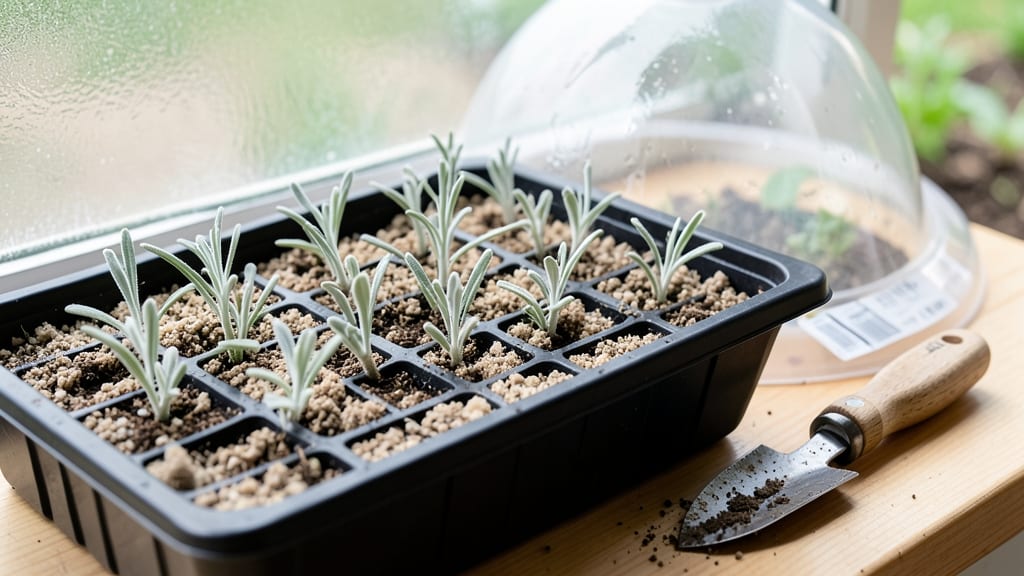
The tiny lavender seed sprouts need moisture control to break dormancy—too wet and they rot, too dry and they never wake up. 🌱 After struggling with moldy trays for years, I finally cracked the code: a balanced setup that keeps seeds damp without drowning them, plus a few tricks to speed up germination from weeks to just 7 days. The secret isn’t fancy equipment—just a shallow tray, a spray bottle, and a clear lid to trap humidity. You’ll need well-draining soil mix (never garden soil), a heat mat (optional but helpful), and patience. Most people give up after two weeks, but lavender seeds just need the right conditions to finally push through. Once you see those first pale green sprouts, you’ll understand why the wait was worth it. They’ll grow into sturdy seedlings with silver-gray leaves that smell like summer in Provence. The key is consistency—check moisture daily and avoid cold drafts. This method works year-round, but spring planting gives you a head start on your first harvest. Let’s get those seeds sprouting!
📚 In This Guide
- What you need
- Instructions
- Tips and common mistakes
- Wrapping up and next steps
What you need
- ● Lavender seeds – 1 packet (500–1,000 seeds) (ensure they’re organic and non-hybrid for best results).
- ● Germination tray or seed-starting kit – 1 (10x20 inch or larger) (with drainage holes).
- ● Seed-starting mix – 1 bag (1–2 cubic feet) (look for a lightweight, sterile mix with perlite or vermiculite).
- ● Spray bottle (fine mist) – 1 (16 oz or larger) (for gentle hydration).
- ● Plastic wrap or humidity dome – 1 sheet (or a clear lid for the tray) (to trap moisture).
- ● Grow lights or sunny windowsill – 1 (LED grow light recommended) or direct sunlight (6+ hours/day).
- ○ Small fan (optional but helpful) – 1 (for air circulation) (prevents mold).
- ● Tweezers or toothpick – 1 pair (for delicate seed placement).
- ● Measuring cup – 1 (for precise watering).
- ○ Thermometer (optional) – 1 (to monitor soil temp: 70–80°F ideal).
- ● Fertilizer (balanced, water-soluble) – 1 small bottle (for post-sprout care).
Step-by-step instructions for germinating lavender seeds in 7 days
Lavender loves dry soil, but speed germination requires careful moisture control—here's how to break through the tough seed coat fast.
🌱 Step 1: Soak Seeds to Soften the Tough Coating
Lavender seeds have a hard outer shell that slows germination. Place them in a small bowl and cover with warm water for 24 hours. This softens the seed coat so moisture can penetrate easily. I like to use a fine-mesh strainer to keep seeds contained while soaking.
After soaking, drain the water completely and let the seeds air-dry on a paper towel for 30 minutes. This prevents mold while keeping them primed for planting. You'll see the seeds look slightly plump and ready to sprout—this is your signal they're ready for the next step.
💧 Step 2: Plant in Light, Well-Draining Soil Mix
Fill small seed trays or individual pots with a mix of 50% potting soil and 50% perlite or coarse sand. This ensures excellent drainage—lavender hates soggy roots. Press the mix down lightly so it's firm but not compacted.
Plant the soaked seeds 1/4 inch deep and space them 1 inch apart. I use a toothpick to make small holes—it gives me precision without disturbing the soil too much. Cover them lightly with a thin layer of the same mix, just enough to hide the seeds but not bury them deep.
☀️ Step 3: Create a Humid, Warm Germination Environment
Cover the trays with clear plastic wrap or a humidity dome to trap moisture and warmth. Place them in a spot with 70-75°F temperatures—a sunny windowsill or under a grow light works well. Lavender seeds need warmth to germinate quickly.
Check the soil daily and mist lightly with water if the surface feels dry. You want the soil to stay moist but not soggy. Within 5-7 days, you'll see tiny green sprouts pushing through the soil—this is your reward for patience and moisture control.
✂️ Step 4: Thin Seedlings and Transition to Drier Conditions
Once seedlings reach 1-2 inches tall, carefully thin them to 3-4 inches apart to give each plant room to grow. Use small scissors to snip unwanted seedlings at soil level—this prevents disturbing the roots of the ones you're keeping.
Remove the plastic cover and reduce watering to keep the soil slightly dry between waterings. Lavender seedlings need less moisture now that they've sprouted. Place them in bright, indirect light for the next 2-3 weeks until they're strong enough to handle direct sun.
🌿 Step 5: Harden Off for Outdoor Transition
Two weeks before transplanting outdoors, start hardening off the seedlings. Place them outside in a sheltered spot for 1-2 hours the first day, gradually increasing their time outside over 7-10 days. This helps them adjust to wind and sun.
Watch for signs of stress like wilting or yellowing leaves—these mean they're not ready for full sun yet. Once they're thriving outdoors, transplant them into the garden or larger pots, spacing them 12-18 inches apart. With this method, you'll have strong lavender plants ready to bloom in no time.
Tips & tricks for perfect lavender seed germination
These simple strategies will help you break through lavender's tough seed coat and achieve reliable sprouts every time.
Soaking Technique: The 24-hour warm water soak is non-negotiable for lavender seeds—this is what cracks their tough outer shell. I've found using a fine-mesh strainer makes this process cleaner and prevents losing seeds. After soaking, the 30-minute air-dry is equally important; it prevents mold while keeping seeds primed. You'll know it worked when seeds look slightly plump and ready to plant.
Soil Mix Secrets: That 50/50 potting soil and perlite mix is crucial—lavender roots need excellent drainage to prevent rot. I like to press the mix down gently with my fingers to create a firm but not compacted base. This gives seeds good contact with soil while preventing them from sinking too deep during watering.
Temperature Control: Maintaining 70-75°F is key during germination. If your home runs cooler, place trays on a seedling heat mat set to 75°F. The warmth speeds up germination without overheating the seeds. Watch for condensation on the plastic wrap—this is normal and indicates proper humidity levels.
Thinning Strategy: When seedlings reach 1-2 inches tall, thinning to 3-4 inches apart prevents overcrowding. I use small scissors to snip at soil level rather than pulling—this protects the roots of your kept seedlings. The reduced watering after thinning helps toughen the plants for their transition to drier conditions.
Pro Tips for Lavender Seed Sprouts
- These simple strategies will help you break through lavender's tough seed coat and achieve reliable sprouts every time.
- Soaking Technique: The 24-hour warm water soak is non-negotiable for lavender seeds—this is what cracks their tough outer shell.
- Soil Mix Secrets: That 50/50 potting soil and perlite mix is crucial—lavender roots need excellent drainage to prevent rot.
Frequently asked questions
Got questions about growing lavender seed sprouts?
You're not alone! Here are answers to the most common concerns—from timing to troubleshooting—to help you succeed with your moisture-controlled germination method.
How long do lavender seeds take to sprout?
With the right moisture control, lavender seeds typically sprout in 7–14 days. Use the paper towel method or a damp seed-starting mix to speed up germination. Keep them in a warm (70–75°F) spot with indirect light until sprouts appear. Patience is key—lavender is a slow starter!
Do lavender seeds need light to germinate?
No, lavender seeds do not need light to sprout—they germinate best in darkness or low light. Once sprouted, move them to a bright, sunny window or under grow lights (12–16 hours/day) to prevent leggy seedlings. Too much light too soon can stress delicate sprouts.
Why aren’t my lavender seeds sprouting?
Lavender seeds are fussy—here’s a quick checklist:
- Cold shock: Some varieties need stratification (2–4 weeks in the fridge). Try chilling damp seeds before planting.
- Overwatering: Soggy seeds rot! Keep the paper towel or soil moist but not wet.
- Old seeds: Lavender seeds lose viability fast. Use fresh seeds (<1 year old) for best results.
- Poor contact: Seeds need gentle pressure against the growing medium to sprout.
Can I grow lavender from store-bought seeds?
Yes, but choose "true lavender" (Lavandula spp.) seeds—not culinary lavender (often just lavender-scented herbs like stachys). Store-bought seeds may be untested for germination rates, so start with a small batch. For guaranteed results, buy from specialty seed banks or nurseries.
When is the best time to plant lavender sprouts outdoors?
Wait until after the last frost and when soil temps are at least 60°F (spring or early summer). Lavender hates cold and soggy roots—pick a well-draining spot in full sun (6+ hours/day). Harden off seedlings for 1–2 weeks before transplanting to avoid shock.
Pro Tip:
If you’re impatient, try cutting propagation instead! Snip healthy lavender stems, remove lower leaves, and root them in water or soil—faster and easier than seeds!
Wrapping up and next steps
Growing lavender seed sprouts in just 7 days is totally achievable with the right moisture control and patience! Whether you're a gardening newbie or a seasoned green thumb, these delicate sprouts reward your efforts with fragrant blooms and lush foliage.
Now that you’ve mastered the basics—from seed prep to humidity tricks—it’s time to watch those tiny shoots burst through the soil like magic!
🌱 Next steps:
- Transplant your sprouts into individual pots once they’ve sprouted 2-3 true leaves.
- Gradually introduce them to outdoor conditions to harden off.
- Celebrate your success—and maybe share your lavender sprouts journey with fellow plant lovers!