
Planting
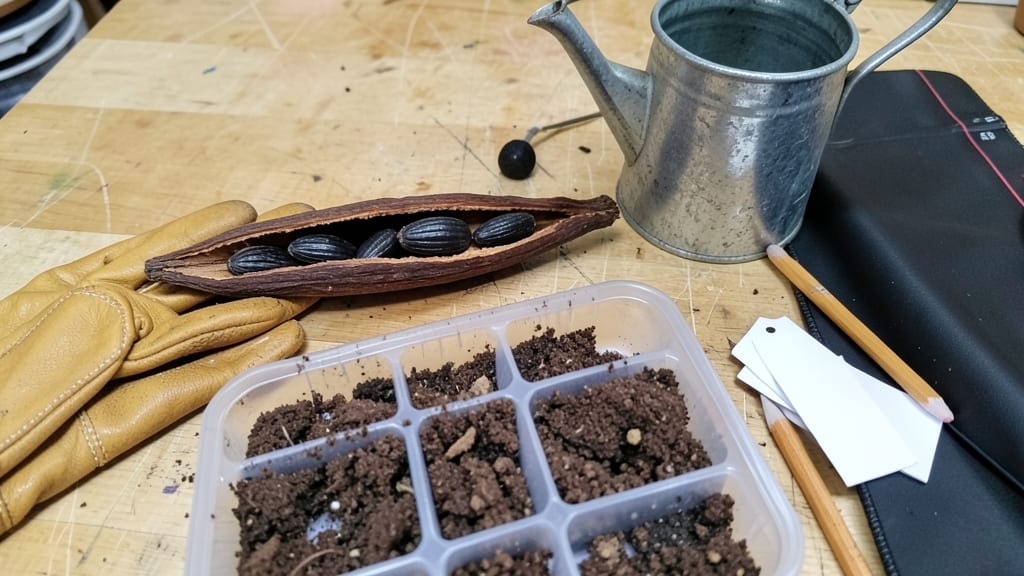
Planting magnolia seed pods 🌸 is your chance to grow a majestic tree from scratch—but without the right steps, those seeds may never sprout.
Picture this: you’ve just collected your seed pods, eager to start the journey toward a towering magnolia in your yard. But here’s the catch—magnolia seeds need a little coaxing to break their dormancy. Too many gardeners rush the process, only to watch their seeds fail to germinate.
In this guide, I’ll walk you through the exact steps to prepare your magnolia seeds, from cold stratification to planting in the right soil.
You’ll learn the best time to plant for your USDA Zone 6a climate, how to keep moisture just right, and what to watch for in the first few weeks.
By the end, you’ll know how to turn those seed pods into strong, healthy seedlings—without the guesswork. Let’s get started.


Step-by-step guide to extracting and preparing magnolia seeds for planting
Magnolia seed pods arrive in late fall, bursting with potential—but their hard outer shells and dormancy requirements demand careful handling before planting. Without proper preparation, these seeds may never sprout, leaving you with empty hopes instead of towering fragrant trees.
The key lies in stratification, a cold treatment that mimics winter conditions and tricks seeds into breaking dormancy.
Timing is everything when working with magnolia seeds. Harvest pods when they're fully mature but still fresh—usually in October or November—then prepare them for a 3-4 month cold treatment before planting in spring.
This guide walks you through every step, from harvesting to stratification, using simple tools and natural processes to maximize your success rate.
Step-by-Step: Extracting & Preparing Magnolia Seeds
-
Step 1: Harvest Seed Pods
Collect fully mature pods (deep red/brown) when they open naturally in fall. Wear gloves—they're sticky!
-
Step 2: Extract Seeds
Slice pods open with a sharp knife and remove dark brown seeds. Discard fibrous pulp immediately.
-
Step 3: Clean Seeds
Rinse seeds under cool water to remove residue. Pat dry with a paper towel—never let them sit wet.
-
Step 4: Prepare Stratification Mix
Mix equal parts moist sand and peat moss in a sealed container. Keep mix damp but not soggy.
-
Step 5: Stratify Seeds
Place seeds 1 inch deep in mix. Store in fridge (34-40°F) for 3-4 months—check moisture weekly.
-
Step 6: Test Germination
After stratification, plant 2-3 seeds per pot in well-draining soil. Keep soil moist (not wet) at 70-75°F.
Your stratification container should have ventilation—use a plastic bag with small holes or a container with a loose lid. The goal is to maintain consistent moisture while allowing airflow to prevent mold.
I like using a clear plastic container with a lid that's slightly ajar, so I can monitor moisture levels without disturbing the seeds.
During stratification, check your seeds every 2-3 weeks for signs of mold or drying. If the mix feels dry, lightly mist it with water; if it's too wet, add a handful of dry sand to absorb excess moisture.
This balance is critical—too dry halts germination, while too wet causes rot. Aim for a mix that feels like a wrung-out sponge.
Once your seeds complete stratification, resist the urge to plant them immediately. Allow them to acclimate to room temperature for 1-2 weeks before planting. This gradual transition helps prevent shock and improves germination rates.
I've found that moving the container to a cool, shaded indoor spot for this period works best.
For best results, plant stratified magnolia seeds in early spring (March) after the last frost date in your area. Choose a location with partial shade and well-draining soil, as magnolias hate soggy roots. If you're unsure about your soil's drainage, mix in perlite or coarse sand to improve aeration.
After planting, place pots in a humid environment like a greenhouse or under a plastic cover. Magnolia seeds need high humidity (70-80%) to germinate successfully. Mist the soil daily and avoid letting it dry out—consistency is key during this 4-12 week germination period.
Patience is your greatest ally when growing magnolias from seed. Some seeds may sprout in as little as 4 weeks, while others take up to 6 months.
Once seedlings emerge, reduce humidity gradually and provide bright, indirect light to prevent leggy growth. Transplant to the garden after 2 growing seasons for best survival rates.
Remember, magnolia seed germination rates average 30-50%, so planting multiple seeds increases your chances of success. Celebrate each sprout as a victory—you're nurturing a tree that could live for centuries with proper care! 🌸
Optimal germination timeline and soil conditions for magnolia seeds
Timing is everything when planting magnolia seed pods. The best window is late winter to early spring (February-March), after your region's last frost date. This aligns with natural dormancy cycles and gives seedlings a head start before summer heat.
In USDA Zone 6a, aim for planting between March 15th and April 1st for optimal results.
Magnolia seeds require cold stratification—a 3-4 month cold treatment—to break dormancy. Start this process in October or November by placing clean seed pods in a plastic bag with moist sand or peat moss. Store them in your fridge's vegetable crisper at 35-40°F (2-4°C) for maximum success.
| Germination Factor | Ideal Specification | Notes |
|---|---|---|
| Planting Window | Late winter to early spring (Feb-Mar) | After last frost date in your zone |
| Cold Stratification | 3-4 months at 35-40°F (2-4°C) | Start in October/November for spring planting |
| Soil pH | 5.0-6.5 (slightly acidic) | Test with pH meter before planting |
| Soil Texture | Well-draining loam | Mix 60% topsoil, 30% compost, 10% perlite |
| Moisture Level | Consistently moist (not soggy) | Water when top 1" dries |
| Germination Time | 4-12 weeks | Patience is key—some take longer |
For soil conditions, magnolias thrive in slightly acidic soil with a pH between 5.0-6.5. Test your garden soil before planting—amend with sulfur to lower pH if needed.
The ideal texture is well-draining loam, which prevents root rot while retaining moisture. Mix 60% topsoil, 30% compost, and 10% perlite for perfect drainage.
Maintaining consistent moisture is crucial during germination. Water the soil to keep it evenly moist but never waterlogged. Use a spray bottle for fine misting over seeds, then cover with a clear plastic dome to retain humidity. Check moisture daily—dry soil kills seeds faster than overwatering.
After planting, place your magnolia seeds in a location with partial shade (morning sun, afternoon shade) and 60-70°F (15-21°C) daytime temperatures. Avoid direct sunlight, which can dry out the soil too quickly. If germination takes longer than 12 weeks, don't panic—some magnolia varieties are naturally slow starters.
Once sprouts appear, reduce humidity gradually by lifting the plastic dome for 10 minutes daily, increasing time each week. Transplant seedlings to individual pots when they reach 2-3 inches tall, using the same soil mix. Harden them off outdoors for 2 weeks before permanent planting in your garden.