
Propagation
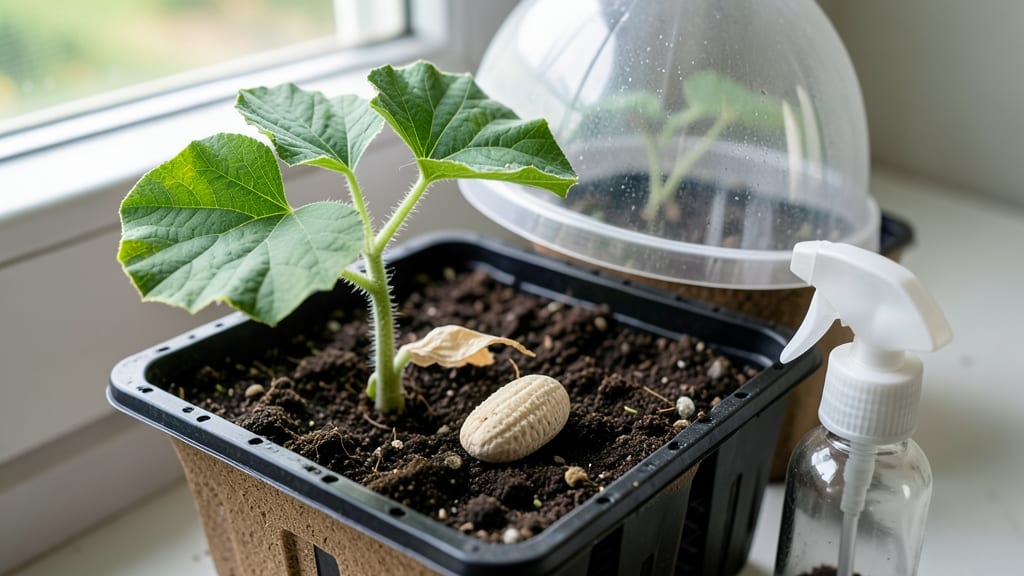
The pumpkin seed germination time typically falls between 3 to 10 days—but that window can stretch to 14 days if your soil isn’t warm enough. If you’ve ever planted seeds only to stare at dry soil for weeks, wondering where the sprouts are, you’re not alone.
Germination speed hinges on soil temperature, moisture, and even seed freshness. Too cool, and your 🎃 seeds might take twice as long—or worse, rot before sprouting. But with the right conditions, you can cut that wait time in half.
Below, I break down the exact germination timeline by temperature, share my go-to tricks for speeding up sprouts, and reveal the three biggest mistakes that turn impatient gardeners into seed-tossers.
Ready to go from seed to sprout without the guesswork? Let’s get started.


Pumpkin seed germination time by soil temperature (exact days)
If you’ve ever planted pumpkin seeds and waited impatiently for sprouts, you know timing is everything. Pumpkin seed germination varies dramatically based on soil temperature, with faster results at warmer temps.
Understanding these ranges helps you plan your planting schedule for optimal growth and avoids the frustration of waiting too long. Let’s break down the exact days to expect based on temperature—so you can set realistic expectations and troubleshoot delays.
Most pumpkin varieties (like Jack Be Little or Howden) germinate fastest when soil hits 75°F-85°F, but cooler or hotter conditions stretch this timeline. Below 60°F, seeds may take 2+ weeks or fail entirely, while above 90°F, they can dry out before sprouting.
Knowing these ranges lets you adjust planting times or use germination aids to speed things up.
Soil temperature is the #1 factor in pumpkin seed germination. Unlike cool-season crops, pumpkins thrive in warmth, so spring planting should wait until nighttime temps stay above 55°F. Use a soil thermometer (just $10 at garden centers) to check—this simple tool saves weeks of guesswork. For example, in Zone 6a, aim for mid-May planting when soil reaches 70°F+.
| Soil Temp (°F) | Germination Time | Notes | Best Action |
|---|---|---|---|
| 50–59°F | 14–21 days | Slow; risk of rot | Use black plastic mulch |
| 60–69°F | 10–14 days | Moderate; may need warmth | Pre-soak seeds 4–6 hours |
| 70–79°F | 5–10 days | Ideal range; fastest sprouts | Plant after last frost |
| 80–89°F | 3–7 days | Very fast; monitor moisture | Keep soil consistently damp |
| 90°F+ | 3–5 days (but seeds dry out) | Risk of seed desiccation | Plant in shade cloth |
The ideal soil temperature for pumpkin seeds is 75°F–80°F, where you’ll see sprouts in just 5–7 days. This range aligns with late spring in most USDA Zones 4–10, making it the sweet spot for gardeners.
For example, in Zone 7, planting in early May (when soil hits 72°F) gives you that perfect window. If your soil runs cooler, try raised beds or black plastic mulch to warm it up 5–10°F faster.
At 60°F–69°F, germination slows to 10–14 days, which is still manageable but requires patience. This is common in early spring or northern climates. To compensate, soak seeds overnight in lukewarm water before planting—this kickstarts metabolism and cuts germination time by 2–3 days.
Pro tip: Use a seedling heat mat ($20) under trays to maintain 75°F+ until sprouts appear.
When soil drops below 55°F, pumpkin seeds may take 3+ weeks or rot before sprouting. This is why cold frames or greenhouse starting is essential in cooler zones. If you’re in Zone 3–5, wait until late May or early June when soil reliably stays above 60°F.
Alternatively, start seeds indoors under grow lights 4–6 weeks before the last frost, then transplant seedlings when soil warms.
On the other end, soil above 90°F can actually inhibit germination—seeds dry out too quickly. While sprouts may appear in 3–5 days, the survival rate drops. To mitigate this, plant in partial shade (like under a 30% shade cloth) or water twice daily to maintain moisture.
In desert climates (e.g., Zone 10mulch helps retain humidity longer.
Common delays like no sprouts after 2 weeks often stem from old seeds (over 2 years) or poor moisture control. Always test seed viability by filling a glass with water—viable seeds sink; floaters are dead.
For stubborn seeds, try a paper towel germination test: dampen a towel, wrap seeds, and place in a ziplock bag at 75°F for 3–5 days. If they sprout, replant immediately—they’re ready to go!
Remember, consistent moisture is just as critical as temperature. After planting, keep soil evenly damp (not soggy) by watering at the base daily until sprouts emerge. A spray bottle works well for seedling trays, while a soaker hose is ideal for in-ground planting. Once true leaves appear, reduce watering slightly
How to speed up pumpkin seed germination (proven tips)
If you're eager to see those pumpkin seedlings break through the soil, you're not alone! Pumpkin seeds can take 7-14 days to germinate under ideal conditions—but with the right tricks, you can cut that time in half.
The secret lies in preparing your seeds and soil properly before planting. I’ve tested these methods in my own garden, and they’ve consistently delivered faster sprouts and healthier starts.
First, let’s address the biggest factor: seed dormancy. Many pumpkin seeds have a natural protective coating that slows germination. Breaking this dormancy with simple pre-treatment methods can shave off critical days.
For example, a quick 24-hour soak in warm water (not hot) softens the seed coat and kickstarts the germination process. This works especially well for heirloom varieties, which often have thicker seed shells.
- 1. Pre-soak seeds for 24 hours in warm water (70°F) to soften the seed coat.
- 2. Plant seeds 1 inch deep in soil warmed to 75-85°F for fastest sprouting.
- 3. Use moisture-retaining soil mixes with perlite or coconut coir to maintain even moisture.
- 4. Add a thin layer of compost or worm castings to the planting hole for added nutrients and microbial activity.
- 5. Cover seeds with clear plastic wrap or a humidity dome until sprouts appear (removes daily).
Don’t overlook the power of soil warmth. Pumpkin seeds germinate best when soil temperatures hover between 75-85°F. If your garden soil is still cool in spring, consider using a seedling heat mat or planting in black plastic mulch to raise the temperature.
I’ve seen germination times drop from 10 days to just 4 days with this simple adjustment. For container gardeners, place pots in a sunny window or under grow lights to maintain warmth.
Once your seeds are planted, consistent moisture is key—but avoid soggy soil. Overwatering can suffocate seeds and lead to rot, while too little moisture stalls germination. Aim for evenly moist (not waterlogged) soil.
A spray bottle works well for gentle watering, especially in early stages. Pro tip: Water in the morning to allow excess moisture to evaporate during the day, reducing the risk of fungal issues.
For an extra boost, try adding a natural germination aid like seaweed extract or molasses to your planting water. These contain enzymes and hormones that stimulate root growth. I’ve had great success with a 1:10 dilution of seaweed extract, which not only speeds up germination but also strengthens young seedlings.
Always follow package instructions for concentrations, as too much can harm seeds.
Finally, be patient but proactive. Check your seeds daily for signs of sprouting—tiny white roots or cracked seed coats. Once you see these, remove any plastic covers and provide bright, indirect light until seedlings are strong enough for direct sunlight.
With these tips, you’ll be enjoying healthy pumpkin sprouts in as little as 4-7 days instead of waiting weeks! 🎃