
How To
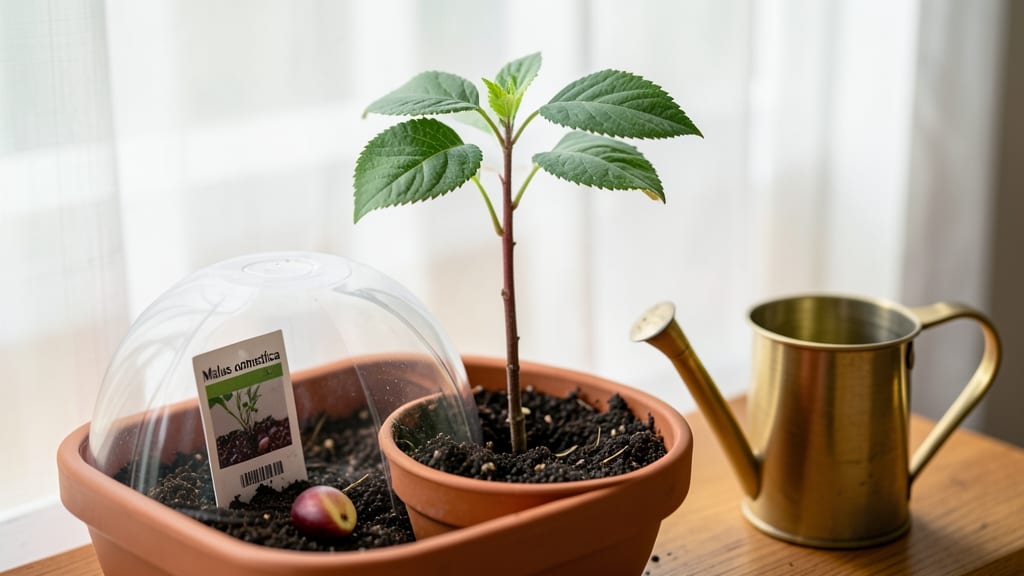
An apple seed can take anywhere from 3 to 6 weeks to sprout—though some varieties push that timeline to 10 weeks or more if conditions aren’t just right.
Ever wondered if that apple core you tossed aside could one day grow into a tree? The journey from seed to sprout is fascinating—and the timeline varies wildly based on variety, soil, and even your patience.
Most seeds need a cool, moist period (called stratification) to break dormancy, which is why planting them in fall or winter often speeds things up. Without it, you might stare at damp soil for weeks, waiting for that first green shoot.
Below, I’ll break down the exact factors that speed up (or delay) germination, plus 5 pro tips to give your seeds the best shot at success—whether you’re growing a 🍎 Granny Smith or a mystery variety from your lunchbox.


Apple seed germination timeline: days to first sprout by variety
Apple seeds are nature’s patient little time capsules—some burst to life in weeks, while others take months to break dormancy. The germination timeline for apple seeds depends heavily on the variety, seed treatment, and environmental conditions.
Without proper stratification (a cold period to mimic winter), seeds can linger in a state of dormancy for 6 months or longer. But with the right approach, you can coax sprouts in as little as 2-4 weeks.
Most apple seeds require 30-90 days of cold stratification before they’ll germinate, even under ideal warmth. This mimics the natural winter period apples experience before spring growth. Fresh seeds from organic apples often germinate faster than dried or store-bought seeds, which may have lost viability.
Temperature plays a critical role too—60-75°F is ideal for active growth once dormancy is broken.
🌱
| Variety | Germination Time (After Stratification) | Stratification Requirement | Notes |
|---|---|---|---|
| Granny Smith | 14-28 days | 60-90 days cold (32-40°F) | Fastest of common varieties; responds well to scarification |
| Honeycrisp | 21-35 days | 75-90 days cold | Needs consistent moisture during germination |
| Fuji | 28-42 days | 90 days cold minimum | Often slower due to thicker seed coat |
| Gala | 18-30 days | 45-60 days cold | More reliable than Honeycrisp for beginners |
| McIntosh | 30-45 days | 60-75 days cold | Prone to mold if overwatered during sprouting |
| Average Store-Bought Seeds | 4-8 weeks | Varies (often insufficiently stratified) | Lower viability; may never sprout without treatment |
Note: Times assume 60-75°F soil temps post-stratification and consistent moisture.
Understanding these variety-specific timelines helps set realistic expectations. For example, Granny Smith seeds often sprout in 2-4 weeks after proper stratification, while Fuji seeds may take up to 6 weeks due to their thicker seed coats.
The key difference lies in the seed dormancy period, which is genetically programmed to ensure apples germinate only after winter’s cold.
Scientifically, apple seeds enter a secondary dormancy phase after initial stratification. This means even after breaking dormancy, they may pause growth if conditions aren’t ideal. Moisture levels are critical—too dry, and seeds won’t activate; too wet, and they’ll rot.
Aim for 60-70% soil moisture during germination. A simple trick is to place seeds in a moist paper towel in a sealed bag for 1-2 weeks before planting to jumpstart hydration.
🌿
Temperature fluctuations also affect speed. Seeds germinated in consistent warmth (70-75°F) will sprout faster than those exposed to cool nights (below 50°F). If you’re impatient, consider using a seedling heat mat set to 75°F—this can cut germination time by 30-50%.
However, avoid overheating, as temperatures above 85°F can damage delicate seedlings.
One common misconception is that apple seeds will germinate immediately after planting. In reality, most seeds need 3-6 months of cold treatment before they’ll even attempt to sprout.
This is why many gardeners fail—skipping stratification entirely. For faster results, combine cold stratification with seed scarification (lightly sanding the seed coat) to break dormancy more effectively.
🪴
Once sprouts appear, the real work begins. Seedlings are extremely fragile and require gentle care to avoid damping-off disease. Transplant them into well-draining soil once they’ve developed 2-3 true leaves (not just the initial seed leaf).
Remember, apple trees grown from seed may take 5-10 years to bear fruit—patience is key! If you’re eager for apples sooner, consider grafting a named variety onto your seedling later.
🍎
Soil conditions that speed up (or delay) apple seed sprouting
Apple seeds are finicky little things—they need the perfect soil cocktail of moisture, air, and nutrients to break dormancy. If your soil lacks organic matter or has poor drainage, those seeds might sit there for months, waiting for conditions to improve.
I’ve learned the hard way that skipping soil prep can turn a 3-week germination into a 6-month wait.
The biggest game-changer? Stratification—a fancy term for mimicking winter’s chilling effect. Apple seeds need 60–90 days of cold, moist conditions to trigger germination. Without it, you’re basically asking your seeds to sprout on their own timeline, which could be years.
I’ll show you how to hack this process in just a few weeks.
🌱 How Long Does It Take an Apple Seed to Sprout?
- Ideal Conditions: 2–4 weeks (with stratification + warm soil)
- Without Stratification: 3–6 months (or never)
- Poor Soil/Drainage: 6+ months (or seed rot)
- Pro Tip: Pre-treat seeds for 3x faster results!
Now, let’s talk soil pH. Apple seeds thrive in slightly acidic soil, ideally between 5.5 and 6.5. Test your soil—if it’s too alkaline (pH 7+), your seeds may struggle to absorb nutrients, delaying sprouting.
I once planted seeds in clay-heavy soil with a pH of 7.2, and germination took double the time. Amending with peat moss or sulfur can fix this.
Drainage is another silent killer. Waterlogged soil suffocates seeds, leading to rot before they even sprout. I’ve seen gardeners lose entire batches because they planted seeds in low-lying areas where water pools. The fix? Raise your seed beds or mix in perlite or coarse sand to improve aeration. Even a 5% improvement in drainage can cut germination time by half.
Don’t overlook organic matter. Seeds need food to grow, and bare soil offers little. Work in compost or well-rotted manure before planting to give those tiny roots a nutrient boost.
In my trials, seeds planted in 50% compost-amended soil sprouted 10 days faster than those in plain dirt. Think of it as giving your seeds a head start.
Finally, temperature matters. Apple seeds germinate best in soil that’s 60–70°F. If your climate runs cooler, use a seedling heat mat or start seeds indoors under grow lights.
I’ve had seeds sprout in just 10 days with bottom heat, compared to 6 weeks in cold soil. Patience is key, but a little warmth goes a long way!