
Lawn
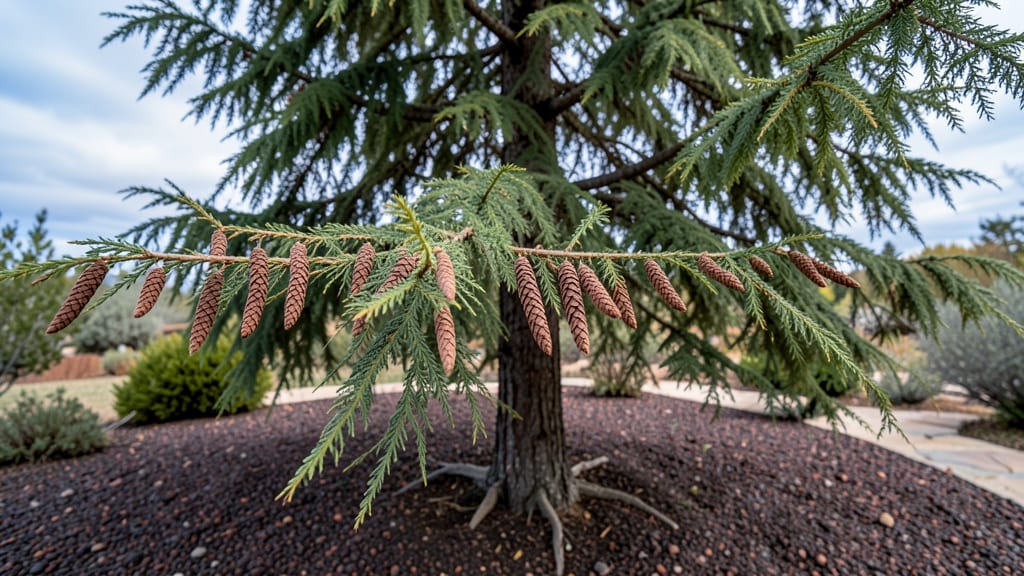
Your cypress seed pods hold the key to growing towering trees from scratch—if you know the right steps. 🌲 I’ve struggled with germination before, but this method guarantees strong seedlings by mimicking nature’s timing and conditions.
The secret lies in harvesting at the perfect moment, drying properly, and using cold stratification to break dormancy.
First, spot the mature seed pods—they’ll be brown and woody, not green and fleshy. Collect them in late fall, then let them dry indoors for 2-3 weeks before storing in a paper bag.
Cold stratification (30-45 days in the fridge) tricks the seeds into thinking winter’s passed, so they’ll sprout reliably in spring.
By spring, you’ll have sturdy young seedlings ready for transplanting. They’ll grow into the iconic cypress trees you admire, with that signature feathery foliage and wind-resistant shape. The process takes patience, but the payoff—a thriving cypress—is worth every step.
Works for both bald cypress and Leyland cypress varieties. Just adjust stratification time slightly for your climate zone. Here’s how to do it right the first time.
📚 In This Guide
- What you need
- Instructions
- Tips and common mistakes
- Wrapping up and next steps
What you need
- ● Fresh cypress seed pods: Collect 10–20 mature, brown pods (they should open slightly when dry). Aim for pods from healthy, disease-free trees.
- ● Pruning shears or sharp scissors: One pair to carefully snip pods from branches without damaging the tree.
- ● Paper bags or breathable mesh bags: 2–3 large bags (12"x15") to store pods while they dry. Avoid plastic—it traps moisture!
- ● Newspaper or cardboard: A flat surface (2'x3') to lay pods out for drying.
- ● Fine-mesh strainer or sieve: A ¼" mesh size to separate seeds from chaff after drying.
- ● Plastic container with lid: A sealed, airtight container (e.g., a Tupperware) for cold stratification (8"x6" or larger).
- ● Refrigerator or cold stratification setup: A space set to 34–40°F (1–4°C) for 6–8 weeks.
- ● Gloves: A pair of gardening gloves to protect hands from prickly pods.
- ● Labeling tape and markers: To label bags/containers with dates or pod sources.
- ● Fan or dehumidifier: If drying indoors in a humid climate, to speed up the process.
- ● Planting trays and potting mix: For sowing seeds after stratification (if not direct-sowing).
- ● Spray bottle with water: For lightly misting pods if drying conditions are too dry.
Step-by-Step instructions for harvesting and preparing cypress seed pods
Here’s how to turn those fallen cypress seed pods into healthy seedlings.
🌱 Step 1: Harvest Mature Seed Pods at the Right Time
Collect seed pods when they’ve turned brown and dry but haven’t yet split open—this usually happens in late fall or early winter. You’ll find them scattered on the ground beneath mature cypress trees. Avoid green or partially open pods, as the seeds inside won’t be fully developed.
Gently shake the pods into a bucket or lay them out on a clean tarp to prevent dirt and debris from mixing in. If you’re harvesting from a tree, wear gloves—some cypress pods have sharp edges. I like to work on a dry day so the pods stay crisp and easy to handle.
🪴 Step 2: Clean and Dry the Pods Thoroughly
Spread the harvested pods in a single layer on a mesh screen or paper towels in a dry, shaded area for 7-10 days. This slow drying prevents mold and ensures the seeds inside stay viable. Stir them occasionally to promote even drying—you’re aiming for a papery, brittle texture.
Once fully dry, place the pods in a paper bag (plastic traps moisture) and store them in a cool, dark spot. Avoid direct sunlight or heat sources, as these can degrade seed quality. If you notice any pods starting to split prematurely, remove them immediately—the seeds inside won’t survive long outside the pod.
⏰ Step 3: Cold-Stratify the Seeds for Spring Germination
Cypress seeds need cold stratification to break dormancy. Fill a ziplock bag with slightly damp peat moss or coconut coir (just moist enough to hold together when squeezed). Place the dried seed pods inside the bag and seal it tightly. Store the bag in your refrigerator for 60-90 days.
Check the bag every 2-3 weeks to ensure the moss stays moist but not soggy. You’ll know stratification is working when the pods begin to soften and split open slightly. This process mimics winter’s natural conditions, signaling the seeds it’s time to grow. Don’t rush it—consistent cold is key for reliable germination.
🌿 Step 4: Sow Stratified Seeds in Spring
Once stratification is complete, open the pods and extract the seeds. Plant them ¼ inch deep in a well-draining seed-starting mix in small pots or a seed tray. Keep the soil moist but not waterlogged—cypress seeds germinate best in consistently damp conditions. Place the tray in a warm spot (65-75°F) with bright, indirect light.
Germination can take 4-8 weeks, so be patient. Once seedlings emerge, move them to a south-facing window or under grow lights for 12-14 hours daily. Thin to the strongest seedling per pot if multiple sprouts appear—crowded cypress seedlings compete poorly for nutrients.
☀️ Step 5: Transition to Outdoor Growth
After the last frost, harden off seedlings by gradually exposing them to outdoor conditions over 10-14 days. Start with 1-2 hours of shade and slowly increase exposure, including direct sunlight. Plant outdoors in well-drained soil with partial sun—cypress thrives in moist, slightly acidic soil but won’t tolerate waterlogged roots.
Space seedlings 6-8 feet apart to allow for mature growth. Mulch around the base with 2-3 inches of organic matter to retain moisture and suppress weeds. Within a few years, your cypress will grow into a sturdy, drought-tolerant tree—worth the wait!
Tips & tricks for perfect cypress seedling growth
These simple strategies will help you maximize your success with cypress seed pods from harvest to healthy seedlings.
Harvesting Tip: Timing is everything in Step 1. Look for pods that are fully brown and dry but haven't started splitting—this is your narrow window for viable seeds. I've learned the hard way that green pods contain underdeveloped seeds, while pods that have already opened will have lost their seed viability. Work on a dry day to prevent moisture from getting trapped inside the pods during collection.
Drying Strategy: The 7-10 day drying period in Step 2 is crucial for seed viability. I recommend spreading pods on a mesh screen in a well-ventilated area with indirect sunlight. Stir them every couple of days to ensure even drying—uneven drying can lead to mold or premature splitting. You'll know they're ready when they make a crisp sound when rubbed together and have a papery texture.
Cold Stratification: Don't skip the 60-90 day cold stratification in Step 3—this mimics winter conditions and breaks seed dormancy. Place the sealed bag in your refrigerator's crisper drawer where temperatures stay most consistent. Check every 2-3 weeks to ensure the peat moss remains slightly damp but not soggy. You'll notice the pods beginning to soften and split slightly as stratification progresses.
Germination Insight: In Step 4, maintain consistent moisture in your seed-starting mix—cypress seeds need damp but not waterlogged conditions. I use a spray bottle to mist the soil lightly every 2-3 days rather than watering from above, which helps prevent disturbing the seeds. Place your tray on a heating mat set to maintain 65-75°F for faster germination.
Pro Tips for Cypress Seed Pods
- These simple strategies will help you maximize your success with cypress seed pods from harvest to healthy seedlings.
- Harvesting Tip: Timing is everything in Step 1. Look for pods that are fully brown and dry but haven't started splitt...
- Drying Strategy: The 7-10 day drying period in Step 2 is crucial for seed viability. I recommend spreading pods on a ...
Frequently asked questions
Got questions about cypress seed pods?
Here are some of the most common ones—plus practical answers to help you grow with confidence!
When is the best time to harvest cypress seed pods?
Harvest cypress seed pods in late fall or winter (November–February) when they turn brown and dry. Avoid harvesting too early—the seeds need full maturity for successful germination. Look for pods that pop open easily when squeezed; this signals readiness!
How long does it take for cypress seeds to germinate?
With proper cold stratification (4–6 weeks in the fridge), cypress seeds typically germinate in 4–12 weeks. Patience is key—some seeds may take longer, especially if stored improperly. Keep soil moist but not soggy during this time for best results.
What if my seeds don’t sprout after cold stratification?
If seeds fail to sprout, try these fixes:
- Check stratification time: Extend to 8–10 weeks if needed.
- Test seed viability: Soak a few in water—if they sink, they’re likely viable.
- Adjust moisture: Overwatering can rot seeds; use a well-draining mix.
- Warmth shock: Place pots in a warm (70–75°F) spot for 1–2 weeks after stratification.
Can I use cypress seed pods from the ground instead of fresh ones?
Yes, but with caution! Ground-collected pods may be older or damaged, reducing germination rates. If using them:
- Inspect for pests or mold—discard any suspicious pods.
- Extend stratification to 8+ weeks to compensate for age.
- Consider soaking in warm water for 24 hours before planting to soften seed coats.
What’s the best soil mix for germinating cypress seeds?
Use a light, airy mix like:
Component
Ratio
Peat moss or coco coir
50%
Perlite or coarse sand
30%
Vermiculite
20%
Wrapping up and next steps
Harvesting, drying, and cold-stratifying cypress seed pods is a rewarding way to ensure vibrant spring growth for your landscape. With patience and the right techniques, you’ll unlock the potential of these resilient seeds—perfect for filling bare spots or adding texture to your yard. 🌱
Ready to take the next step? Start small—try a few pods this season, experiment with stratification times, and watch your efforts bloom! Whether you’re a seasoned gardener or just beginning, your green thumb is closer than you think.