
Lawn
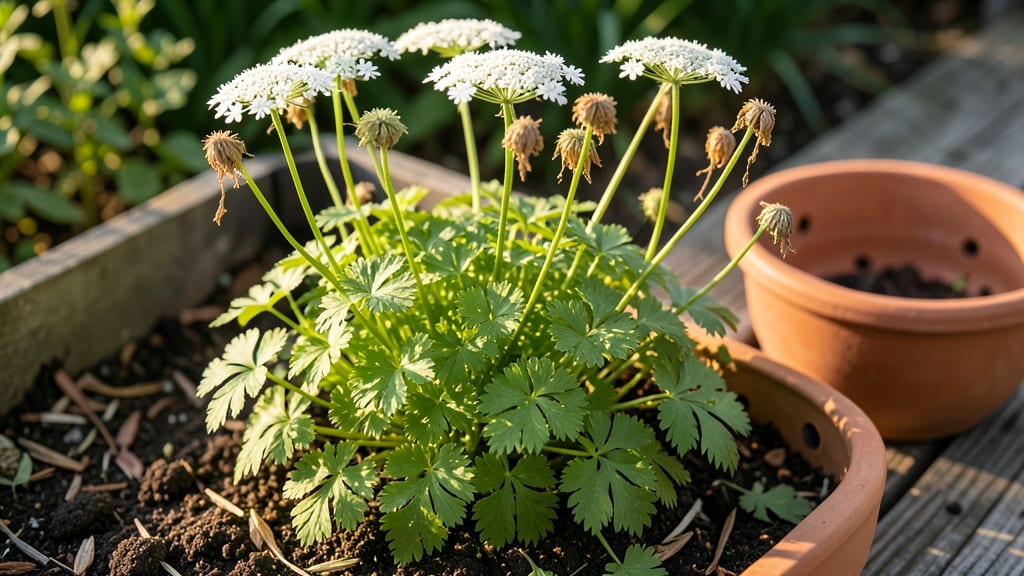
Growing coriander from seed to fresh cilantro in just three weeks is the fastest way to get vibrant, flavorful leaves straight from your garden. 🌱 I used to buy cilantro from the store until I realized how easy it is to grow—now I have a steady supply that never goes to seed too quickly.
The secret is planting in cool weather and keeping the soil consistently moist. You’ll need a sunny spot, well-draining soil, and patience for the first few weeks. Once the seedlings pop up, they grow surprisingly fast, and you’ll be harvesting leaves in no time.
If you want both leaves and seeds, plant in two batches—one for harvest early and another for later seed production. The first batch gives you fresh cilantro, while the second lets the plants bolt and produce those aromatic coriander seeds.
This method works in containers or garden beds, making it perfect for small spaces. Let’s get those seeds in the ground!
📚 In This Guide
- What you need
- Instructions
- Tips and common mistakes
- Wrapping up and next steps
What you need
- ● Coriander seeds: 1–2 tbsp (about 15–30 seeds) – organic, non-GMO preferred for best flavor.
- ● Seed-starting mix: 1 small pot (4–6 inches in diameter) or a seed tray with drainage holes.
- ● Containers: For seeds: 2–3 small pots (2–3 inches deep) or biodegradable peat pots.
- ● For transplants: 1 larger pot (6+ inches) or garden bed (if outdoors).
- ● Watering can or spray bottle: With a fine mist setting for gentle hydration.
- ○ Grow lights (optional but helpful): LED or fluorescent lights (12–16 hours/day) if indoors.
- ○ Fertilizer (optional): Balanced liquid fertilizer (5-5-5 or 10-10-10) or compost tea.
- ● Twine or labels: To mark pots and track planting dates.
- ● Temperature: Ideal germination range: 60–75°F (15–24°C). Avoid frost (<32°F/0°C).
- ● Light: Full sun (6+ hours/day) or bright indirect light for indoor setups.
- ● Humidity: Moderate—cilantro dislikes soggy soil but loves consistent moisture.
- ● Soil prep: Mix in perlite or vermiculite (20%) to improve drainage.
- ● Seed spacing: Plant seeds ¼ inch deep and 1 inch apart to prevent overcrowding.
- ● Outdoor growers: Wait until after the last frost or use row covers for early starts.
Step-by-step instructions for growing coriander from seed to cilantro
Here's the foolproof method I use to grow fresh cilantro every 3 weeks—no more bolting, no more bitter disappointment.
🌱 Step 1: Start Seeds Indoors 3 Weeks Before Last Frost
Fill 2-inch deep seed trays with moistened seed-starting mix. Scatter coriander seeds thinly—don't bury them, just press them lightly into the surface. They need light to germinate, so covering them too deep will delay sprouts. I like to use a spray bottle for even moisture without disturbing the seeds.
Place trays in a warm spot (around 70°F) with bright light. You'll see tiny green sprouts in 7-14 days. The first leaves are heart-shaped—these are the true cilantro leaves you'll harvest later. Keep soil consistently moist but never soggy; coriander hates wet feet.
☀️ Step 2: Harden Off and Transplant After True Leaves Appear
Once seedlings show their second set of true leaves (about 3-4 weeks after sowing), it's time to move them outside. Start by placing them in a sheltered spot for 1 hour daily, gradually increasing exposure over 7 days. This hardening-off process prevents shock when they face real sunlight and breezes.
Choose a location with partial shade for the first week—full sun can make cilantro bolt prematurely. After they've adjusted, transplant to your garden or containers with 6 inches between plants. I always plant mine in well-draining soil mixed with compost to give them a nutrient boost.
💧 Step 3: Maintain Consistent Moisture and Harvest Regularly
Cilantro thrives with 1 inch of water per week, either from rain or your hose. Water at the base of the plant to keep leaves dry—wet foliage invites fungal diseases. You'll know it's time to water when the top inch of soil feels dry to the touch. Mulch around plants to retain moisture and keep roots cool.
Start harvesting leaves when plants reach 6 inches tall. Snip the outer leaves first, leaving the center to keep growing. This encourages bushier plants. For maximum flavor, harvest in the morning after the dew has dried but before the sun gets too intense. I always rinse the leaves gently in cold water and pat dry before using.
⏰ Step 4: Save Seeds for Next Year's Coriander Harvest
When plants bolt and produce those delicate white flowers, let some mature fully to save seeds. The flowers turn into seed heads that look like tiny umbrellas. Once they turn brown and dry, gently twist them to release seeds. Store in a cool, dark place for up to 2 years—these are your coriander seeds for next season.
Real talk: If you're growing cilantro for leaves, pull up any plants that bolt before you're ready to harvest. The leaves become bitter as the plant focuses energy on seed production. But if you love coriander seeds, let some go to flower—they're a whole different flavor profile!
Tips & tricks for perfect coriander and cilantro growth
Took me years of trial-and-error gardening to figure out these key tricks that make all the difference with coriander and cilantro.
Light Requirements: Coriander needs bright light to germinate, but too much sun too soon causes bolting. Use a grow light for the first 2 weeks indoors (around 70°F), then transition to partial shade outdoors. I keep mine under a sheer curtain for morning sun and afternoon shade—this balance prevents premature flowering while still giving them enough light to thrive.
Soil Secrets: The soil mix makes all the difference. I swear by a blend of 60% seed-starting mix and 40% perlite or vermiculite for that 2-inch deep tray. This ensures excellent drainage while holding enough moisture—coriander roots are particularly sensitive to soggy conditions. Add a sprinkle of compost to the top inch for extra nutrients without compacting the delicate seeds.
Harvesting Technique: When your plants reach 6 inches tall, resist the urge to cut everything at once. Instead, snip just the outer leaves, leaving the center growth intact. This encourages bushier plants that produce more leaves over time. I always use clean, sharp scissors and harvest in the morning when the essential oils are most concentrated for maximum flavor.
Bolting Prevention: If you notice your plants sending up flower stalks before you're ready, don't panic. Simply cut the flower stems at the base—this redirects the plant's energy back to leaf production. For extra insurance, keep soil temperatures cool (below 70°F) and avoid letting the soil dry out completely between waterings. I've successfully reset plants this way up to three times per season.
Pro Tips for Coriander Seed Cilantro
- Took me years of trial-and-error gardening to figure out these key tricks that make all the difference with coriander and cilantro.
- Light Requirements: Coriander needs bright light to germinate, but too much sun too soon causes bolting.
- Soil Secrets: The soil mix makes all the difference.
Frequently asked questions
Got questions about growing coriander seeds into cilantro?
You’re not alone! Here are some of the most common queries—and answers—to help you cultivate this fragrant herb like a pro.
1. Why does my cilantro bolt so quickly?
Cilantro (the leafy part of coriander) is sensitive to heat and long daylight. When temperatures rise above 75°F (24°C) or days stretch past 14 hours of light, it bolts (sends up flowers) faster. Solution: Grow it in spring or fall, use shade cloth in summer, or opt for bolt-resistant varieties like ‘Slow Bolt’ or ‘Calypso.’
2. Can I grow cilantro indoors year-round?
Coriander seeds thrive indoors with 6–8 hours of sunlight daily (a south-facing window or grow lights work). Use a small pot (6+ inches deep) with well-draining soil, and keep temps between 60–75°F (15–24°C). Harvest leaves before flowering to extend your harvest. Pro tip: Rotate pots weekly for even growth!
3. What’s the difference between coriander seeds and cilantro leaves?
The same plant! Coriander seeds are the dried, spicy-sweet fruits (used in curries, pickles, and marinades), while cilantro leaves are the fresh, citrusy greens (perfect for salsas, soups, and garnishes). Fun fact: Some people taste soap in cilantro due to a genetic trait—it’s normal!
4. How do I harvest cilantro without killing the plant?
Snip outer leaves with clean scissors, leaving the inner growth intact. For a continuous harvest, cut stems just above a leaf node (where new leaves sprout). Avoid pulling leaves—this damages the plant. Bonus: Harvest in the morning for the freshest flavor!
5. What can I do if my cilantro tastes bitter?
Bitter cilantro usually means it’s bolting or stressed. Fix it by:
- Harvesting young leaves (older ones get stronger flavors).
- Planting new seeds every 2–3 weeks for fresh batches.
- Using leaves within 1–2 weeks of growth for milder taste.
Wrapping up and next steps
Growing coriander seed and cilantro at home is a rewarding journey—packed with flavor, nutrition, and ease! 🌱 Whether you’re a beginner or a seasoned gardener, these fast-growing herbs thrive in just three weeks with the right care.
Now that you’re armed with tips on soil, sunlight, and troubleshooting, it’s time to roll up your sleeves and get planting!
Start small with a pot or a patch in your garden, and soon you’ll be harvesting fresh cilantro for tacos, soups, or garnishes. Pro tip: Share your harvest with friends or freeze extra seeds for future batches! 🌟
Ready to take the next step? Pick your favorite recipe and enjoy the taste of homegrown success—your kitchen (and taste buds) will thank you!