
Propagation
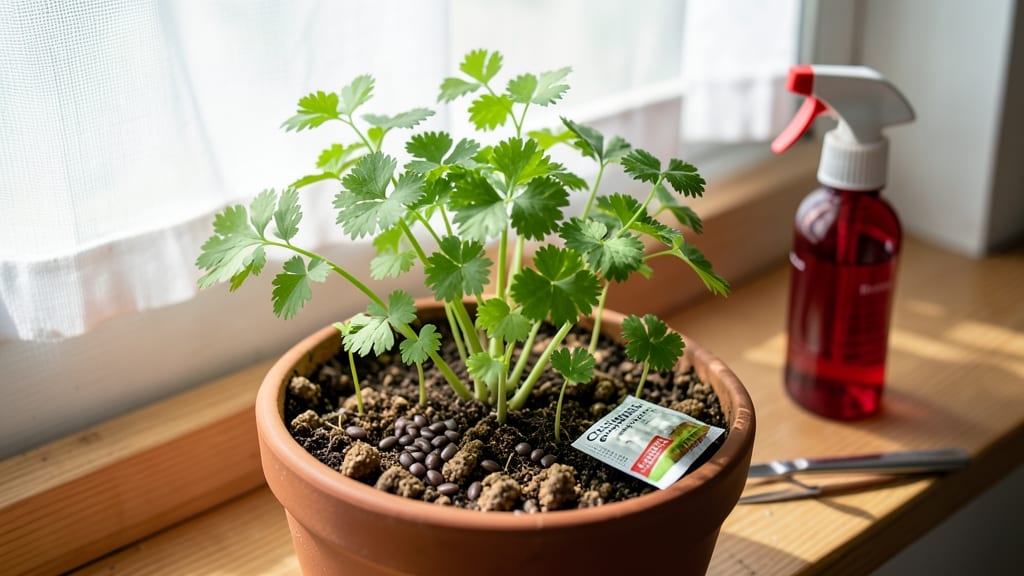
Growing cilantro from seed in pots is my secret to fresh, fragrant herbs all season long—no bolting, no wasted space, just steady harvests. 🌱 The key lies in mimicking cilantro’s natural preferences: cool soil, consistent moisture, and partial shade that keeps it happy without flowering prematurely.
My first batch bolted within weeks, but I learned the right conditions turn cilantro from finicky to foolproof.
You’ll need 5-6 inch deep pots with drainage holes (cilantro hates soggy roots), a well-draining potting mix, and a sunny windowsill or 4-6 hours of morning sun. Plant seeds ¼ inch deep, 1 inch apart, and keep the soil damp—not wet—until sprouts appear in 7-14 days.
The real magic happens when you provide afternoon shade during hot spells, which prevents that bitter bolting most gardeners hate.
Within 3-4 weeks, you’ll have lush, bright green leaves ready to snip for tacos, soups, or salads. The best part? Containers keep pests like aphids at bay, and you can move pots indoors when temps drop below 50°F.
My cilantro stays productive for 6-8 weeks this way—far longer than store-bought herbs that wilt in days.
For second harvests, snip leaves 2-3 inches above a leaf node and watch new growth sprout in days. If you live in a hot climate, try shade cloth or whitewashed pots to keep roots cool. This method works for balconies, kitchens, or even a sunny patio—no garden required.
📚 In This Guide
- What you need
- Instructions
- Tips and common mistakes
- Wrapping up and next steps
What you need
- ● Cilantro seeds: 1 packet (about 1,000-2,000 seeds, depending on the brand). Look for organic or heirloom varieties for best results.
- ● Containers: 2-4 4-6 inch pots (for individual plants) or
- ● 1 12-inch wide pot (for multiple plants, with drainage holes).
- ● Potting mix: 1 bag of well-draining, organic potting soil (avoid garden soil—it can compact and retain too much moisture).
- ● Drainage trays or saucers: 2-4 (to catch excess water and prevent root rot).
- ● Watering can or spray bottle: With a fine mist setting (cilantro seeds need gentle hydration!).
- ● Grow lights or sunny windowsill: A south-facing window (6+ hours of sunlight daily) or a LED grow light (12-16 hours/day if indoors).
- ● Plant labels: Small tags or a marker to label your pots (cilantro can bolt quickly—keep track of planting dates!).
- ● Seed-starting kit: Includes heating mats (speeds up germination) or humidity domes (keeps seeds cozy!).
- ● Fertilizer: A balanced, water-soluble fertilizer (like 10-10-10) or compost tea to boost growth.
- ● Shade cloth: Lightweight fabric (30-50% shade) to protect seedlings from harsh afternoon sun if bolting is a concern.
- ● Twine or clips: For staking taller cilantro plants if needed (though it’s usually bushy!).
- ● Pruning shears: Small, sharp scissors to harvest leaves without damaging the plant.
Step-by-step instructions for growing cilantro in pots
Here's how to grow cilantro that stays fresh and flavorful—no bitter surprises or sudden bolting.
🌱 Step 1: Select and Prepare Your Containers
Choose pots that are at least 6 inches deep with drainage holes—cilantro hates soggy roots. I prefer terracotta because it breathes and helps regulate moisture. If your pots don't have holes, drill a few near the bottom to prevent root rot. Fill each pot with 2-3 inches of well-draining potting mix—avoid garden soil, which compacts and suffocates tender cilantro roots.
Press the soil down gently but firmly so it's level and settled. The surface should be firm enough to hold seeds in place but not packed like concrete. This ensures roots can push through easily while keeping the soil loose enough to prevent waterlogging.
🌱 Step 2: Sow Seeds Properly for Optimal Germination
Plant 3-4 seeds per pot at a depth of about ¼ inch. Scatter them evenly across the surface and cover lightly with a thin layer of additional soil. Press down just enough so the seeds make contact with the soil but don't bury them too deeply—cilantro seeds need light to germinate properly.
Mist the soil gently with a spray bottle until it's evenly moist but not saturated. Overwatering now can wash seeds away or create a crust that prevents sprouting. Place the pots in a warm, shaded area (around 70°F) until germination, which typically takes 7-14 days. Patience is key—don't disturb the soil until you see tiny green sprouts.
☀️ Step 3: Provide the Right Light and Water Balance
Once seedlings emerge, move them to a location with 4-6 hours of indirect sunlight daily. Too much direct sun accelerates bolting, while too little light makes leaves pale and leggy. A south-facing window with sheer curtains works well, or use a grow light for 12-14 hours per day if natural light is insufficient.
Water when the top inch of soil feels dry, keeping the soil consistently moist but never soggy. I check by sticking my finger in—if it comes out clean, it's time to water. Avoid wetting the leaves to prevent fungal diseases. Mulch the soil surface with a thin layer of compost to retain moisture and deter weeds.
✂️ Step 4: Thin and Maintain for Continuous Harvests
When seedlings reach 2 inches tall, thin them to the strongest 1-2 plants per pot by snipping the others at the base with clean scissors. This prevents overcrowding and ensures the remaining plants have room to grow. Use the thinned seedlings in cooking—every part of cilantro is edible!
Harvest leaves by cutting the outer stems just above a set of leaves, leaving the inner growth intact. This encourages bushier regrowth. For a steady supply, harvest every 2-3 weeks. If the plant starts to bolt (sends up a tall flower stalk), cut it back to the base—sometimes it regrows as a leafy base, but if not, start fresh with new seeds.
🌿 Step 5: Prevent Bolting and Extend the Harvest Season
Cilantro bolts when it senses heat or long daylight. To delay bolting, keep plants in cooler conditions (60-70°F) and avoid direct afternoon sun. In hot climates, grow cilantro in partial shade or use shade cloth. If you notice flower stalks forming, harvest the leaves immediately and remove the stalks to redirect energy back into leaf growth.
For a second crop, succession-sow seeds every 2-3 weeks in spring and fall. This staggered approach ensures you always have fresh cilantro on hand. With the right care, your potted cilantro will stay lush and flavorful for months—no bitter surprises in sight.
Tips & tricks for growing lush cilantro in pots
Here's what nobody tells you about keeping cilantro thriving—these tricks have saved my plants from bolting and bitterness time and again.
Container Selection: While terracotta pots are ideal, any container with drainage works—just avoid plastic, which traps moisture and encourages root rot. I've had great success with ceramic pots too, as long as they're at least 6 inches deep. Pro tip: If your pots lack drainage, place them on a saucer filled with pebbles to elevate them slightly above standing water.
Germination Conditions: The 70°F warm, shaded spot for germination is non-negotiable—cilantro seeds are finicky about temperature. If your home runs cooler, place pots on top of the fridge or near a sunny window during the day. Avoid direct sunlight during this stage, as it can cause seeds to dry out or sprout unevenly. Patience pays off—those 7-14 days of waiting ensure strong roots that won't bolt prematurely.
Light Management: That 4-6 hours of indirect sunlight is crucial for preventing bolting. In summer, I move my pots to a north-facing window or use a sheer curtain to diffuse harsh afternoon light. For indoor growers, a simple LED grow light on a timer (12-14 hours daily) works wonders—just keep it 6-12 inches above the plants to avoid leaf burn.
Harvesting Strategy: When cutting those outer stems every 2-3 weeks, always leave at least two sets of leaves on each plant. This "cut-and-come-again" method keeps your cilantro bushy and productive. I harvest in the morning after dew has dried, as leaves are most flavorful then. And if you notice flower stalks forming, don't panic—harvest the leaves first, then cut the stalk at the base. Sometimes the plant surprises you with new growth!
Pro Tips for Growing Cilantro From Seed In Pots
- Here's what nobody tells you about keeping cilantro thriving—these tricks have saved my plants from bolting and bitterness time and again.
- Container Selection: While terracotta pots are ideal, any container with drainage works—just avoid plastic, which traps moisture and encourages root rot.
- Germination Conditions: The 70°F warm, shaded spot for germination is non-negotiable—cilantro seeds are finicky about temperature.
Frequently asked questions
Got questions?
Growing cilantro from seed in pots is easy once you know the tricks! Here are answers to the most common queries to help you cultivate thriving, bolt-resistant cilantro at home.
How long does it take for cilantro seeds to germinate in pots?
Cilantro seeds typically germinate in 7–14 days when kept in warm, moist soil (around 70–80°F (21–27°C)). For faster results, soak seeds overnight before planting or use a seedling heat mat. Patience is key—don’t overwater, as soggy soil can slow germination or invite mold. Pro tip: Cover pots with plastic wrap to retain humidity until sprouts appear!
Why does my cilantro bolt so quickly when grown in pots?
Bolting (flowering prematurely) happens when cilantro senses heat or long daylight. To delay it:
- Use shade cloth (30–50%) during hot afternoons.
- Choose slow-bolting varieties like ‘Calypso’ or ‘Santo.’
- Harvest leaves frequently to encourage bushier growth.
- Avoid letting soil dry out—consistent moisture prevents stress.
If it bolts, snip flowers to redirect energy to leaves, or save seeds for next season!
What’s the best pot size for growing cilantro?
Cilantro thrives in containers at least 6–8 inches deep with drainage holes. For multiple plants, opt for wider pots (10+ inches) to avoid overcrowding. Smaller pots (4–6 inches) work for single plants but may require more frequent watering. Use well-draining soil (like a mix of potting soil and perlite) to prevent root rot. Pro tip: Add a handful of compost to boost nutrients!
Can I grow cilantro in pots indoors under grow lights?
Yes! Cilantro grows well indoors with 12–14 hours of light daily from LED or fluorescent grow lights (keep them 6–12 inches above plants). Use a timer for consistency. Maintain temps between 60–70°F (15–21°C) and rotate pots weekly for even growth. Watch for leggy stems—adjust light distance or supplement with sunlight near a window. Pro tip: Use reflective surfaces (like aluminum foil) to maximize light efficiency!
What can I do if my cilantro leaves turn yellow or wilt?
Yellow leaves often signal overwatering or nutrient deficiency. Check soil moisture—water only when the top inch feels dry. Wilting may mean underwatering or root bound plants. Try these fixes:
- Fertilize with diluted fish emulsion or seaweed extract every 4–6 weeks.
- Ensure pots have adequate drainage (no soggy bottoms!).
- Trim yellowed leaves to redirect energy to healthy growth.
If pests (like aphids) are the culprit, spray with neem oil or insecticidal soap.
Wrapping up and next steps
Growing cilantro from seed in pots is a rewarding journey that brings fresh, vibrant herbs right to your kitchen! With the right containers, soil, and a few simple care tricks, you’ll enjoy a steady harvest of flavorful leaves—without the frustration of bolting.
Whether you’re a seasoned gardener or a beginner, this method makes it easy to keep your cilantro thriving all season long.
Now that you’re armed with the know-how, why not try it yourself? Grab a pot, grab some seeds, and give it a go! Once you’ve mastered the basics, experiment with different varieties or even grow it indoors for year-round access. Happy growing—your taste buds will thank you! 🌱✨