
Lawn
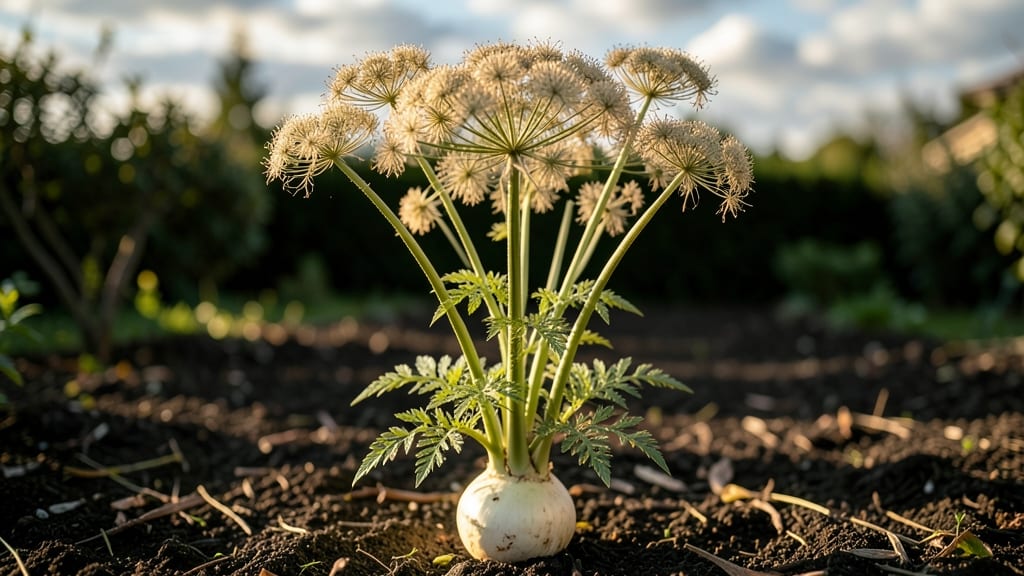
Fennel seed heads are the unsung heroes of the garden—packed with flavor and ready to transform next year’s planting. 🌿 I’ve learned that harvesting them at the right time turns a simple plant into a seed bank for free, homegrown fennel.
The key is patience: let those feathery plumes fully mature before cutting, or you’ll miss out on the rich, anise-like seeds inside.
You’ll need just a few tools: sharp pruners, a clean drying area, and paper bags for storage. The process is simple but requires timing—harvest when seed heads turn golden-brown and brittle, usually 90-120 days after planting.
Once cut, hang them upside down in a dry, airy spot until the seeds rattle freely inside. This method preserves their potency for months.
What you’ll end up with is a stash of seeds perfect for next year’s garden or culinary adventures. Toss them into bread, use them in marinades, or sprinkle them over salads for a bright, licorice-like kick. The dried heads also make stunning dried arrangements—functional beauty at its best.
For maximum seed production, keep fennel plants well-watered and in full sun. Avoid overcrowding, as it reduces air circulation and can lead to mildew. With these tips, you’ll harvest enough seeds to share with neighbors or replant your entire garden for years to come.
📚 In This Guide
- What you need
- Instructions
- Tips and common mistakes
- Wrapping up and next steps
What you need
- ● Fresh fennel plants with mature seed heads (brown, papery, and dry to the touch). Aim for at least 3-5 healthy plants for a good yield.
- ● Sharp pruning shears or garden scissors (for clean cuts without crushing the stems). Sterilize blades with rubbing alcohol for hygiene.
- ● Brown paper bags or breathable mesh sacks (1 per seed head). Size: Large enough to loosely hold the fennel head (12"–18" diameter works well).
- ● Drying location with indirect sunlight, good airflow, and consistent temperatures (60–70°F). A garage, shed, or well-ventilated porch is ideal.
- ○ Small wooden skewers or toothpicks (optional but helpful for hanging heads upside down).
- ● Food dehydrator (set to 95°F) for faster drying if you’re short on time.
- ● Labeling tags (to mark harvest dates or varieties).
- ● Fine-mesh sieve or colander (for easy seed separation later).
- ● Air-tight glass jars or seed storage containers (with silica gel packets to prevent moisture).
- ● Gloves (if you’re sensitive to fennel’s oils or thistly stems).
How to harvest and dry fennel seed heads for planting
Turning last year’s fennel into next year’s garden is easier than you think. Here’s my foolproof method.
🌿 Step 1: Identify and Select Mature Seed Heads
Look for fennel plants with brown, papery seed heads that have dried completely on the stalk. These heads should feel light when you shake them—they’ll rattle with seeds inside. Avoid heads that still have green stems or moist centers, as they won’t dry properly. I usually harvest in late fall or early winter before the first hard frost, when the plants have fully matured.
Use clean, sharp pruning shears to snip the entire seed head from the stalk, leaving about 2 inches of stem attached. This extra stem helps support the head during drying. Place the harvested heads in a paper bag (not plastic) to prevent moisture buildup. I like to label each bag with the harvest date—this helps track seed viability later.
☀️ Step 2: Dry the Seed Heads Properly
Find a dry, well-ventilated spot indoors, like a sunny windowsill or a drying rack. Avoid direct sunlight, which can overheat the seeds and reduce their viability. A dehumidifier-free area with 50-60% humidity is ideal. I hang my fennel heads upside down from a string or lay them flat on a mesh screen to allow air to circulate freely around all sides.
Drying takes 2-4 weeks, depending on your home’s humidity. You’ll know they’re ready when the seed heads crumble easily when rubbed between your fingers and the seeds inside look dry and dark brown. If mold appears or the heads feel damp after a week, move them to a warmer, drier location—fennel seeds are sensitive to excess moisture.
✂️ Step 3: Extract and Store the Seeds
Once fully dried, gently rub the seed heads between your hands or use a clean cloth to dislodge the seeds. Avoid shaking them over a dark surface—fennel seeds are tiny and can disappear easily. I spread a light-colored sheet of paper under my workspace to spot any stray seeds. For stubborn seeds, lightly tap the head with a wooden spoon to loosen them.
Store the seeds in an airtight glass jar or paper envelope in a cool, dark place like a pantry or refrigerator. Fennel seeds stay viable for 2-3 years when stored properly. Label the jar with the harvest year—this helps you keep track of seed freshness. If you notice any musty smells or signs of pests, discard the seeds immediately.
🌱 Step 4: Test Seed Viability Before Planting
Before sowing, test a few seeds to ensure they’re still good. Place 10 seeds between two damp paper towels in a ziplock bag and keep them in a warm, dark place for 7-10 days. Check daily for sprouts—if 50% or more germinate, your seeds are ready for planting. If fewer than half sprout, consider treating them with a seed germination enhancer or ordering fresh seeds for better results.
Once confirmed viable, plant your fennel seeds in well-draining soil with full sun exposure. Sow them ¼ inch deep and keep the soil evenly moist until germination, which typically occurs in 10-14 days. This method ensures you’ll have fresh fennel plants ready for next season’s garden.
Tips & tricks for perfect fennel seed harvesting
Here's what I've learned from years of saving fennel seeds—tricks that'll make your next harvest foolproof.
Timing is Everything: Harvest your fennel seed heads in late fall or early winter, just before the first hard frost. This ensures the seeds have fully matured but haven't been damaged by cold. I've found that waiting until the seed heads turn completely brown and papery is key—they should feel light when shaken and rattle with seeds inside. If you harvest too early, the seeds won't be fully developed, and if you wait too late, frost can damage the delicate heads.
Drying Strategy: The 2-4 week drying period is crucial for seed viability. I've had the best luck using a well-ventilated area with 50-60% humidity—like a sunny windowsill or drying rack. Avoid direct sunlight to prevent overheating, which can reduce germination rates. If mold appears after a week, move your seed heads to a warmer, drier location immediately. I've seen mold ruin entire batches when left unchecked.
Seed Extraction Hack: When it's time to extract the seeds, I spread a light-colored sheet of paper underneath my workspace to spot any stray seeds—these tiny seeds can disappear easily! For stubborn seeds, I've found that lightly tapping the dried head with a wooden spoon works better than vigorous shaking. This gentle approach helps preserve seed quality while ensuring maximum yield.
Storage Wisdom: Once you've extracted your seeds, store them in airtight glass jars or paper envelopes in a cool, dark place like your pantry or refrigerator. I always label my jars with the harvest year—this helps me track seed freshness and viability. Fennel seeds can stay good for 2-3 years when stored properly, but I've noticed they germinate best within the first year or two.
Pro Tips for Fennel Seed Heads
- Here's what I've learned from years of saving fennel seeds—tricks that'll make your next harvest foolproof.
- Timing is Everything: Harvest your fennel seed heads in late fall or early winter, just before the first hard frost.
- Drying Strategy: The 2-4 week drying period is crucial for seed viability.
Frequently asked questions
Got questions about fennel seed heads?
You’re not alone! Whether you’re a first-time harvester or looking to optimize your process, here are some common queries—and their answers—to help you grow confident in saving seeds for next season.
When is the best time to harvest fennel seed heads?
Harvest fennel seed heads when they turn a golden-brown color and the seeds rattle inside when shaken. This usually happens late summer to early fall, about 3–4 months after planting. Wait too long, and the seeds may scatter or lose viability. Aim for a dry, sunny day to make the process easier!
How do I know if fennel seeds are ready to dry?
Ready-to-dry fennel seeds should be hard and dry to the touch, with a papery texture. If you crush a seed between your fingers and it feels gritty (not powdery), it’s fully mature. For extra assurance, split open a seed head—if the seeds inside are dark brown and don’t stick together, they’re harvest-ready!
Can I dry fennel seeds indoors? What’s the best method?
Yes! Lay seed heads on a paper towel or mesh screen in a warm, well-ventilated spot (like a pantry or garage) for 1–2 weeks. Avoid direct sunlight or humidity, which can cause mold. For faster drying, use a dehydrator (135°F for 2–3 hours) or hang heads upside down in small bundles with twine.
What do I do if my fennel seed heads get moldy?
Mold is a sign of excess moisture during drying. If you spot fuzzy green/black spots, act fast: discard the affected seeds immediately. To prevent mold, ensure your drying area is dry (use a fan for airflow) and store seeds in airtight containers once fully dry. If caught early, you might salvage some seeds by spreading them on a clean surface to dry further.
Are there alternatives if I don’t have fennel plants?
If you can’t grow fennel, try these seed-saving swaps:
- Dill: Similar drying process, but seeds are smaller and less aromatic.
- Anise: A close relative with larger, easier-to-harvest seeds.
- Buy organic fennel seeds: Look for untreated, non-hybrid seeds from seed savers or garden centers.
Wrapping up and next steps
Harvesting and drying fennel seed heads is a rewarding way to extend your garden’s bounty and enjoy homegrown flavors year-round. Whether you’re saving seeds for next season or crafting culinary delights, these aromatic treasures are a must-have in any kitchen or garden.
Now that you’re equipped with the know-how, why not take the next step? Plant a few fennel seeds this spring and turn your garden into a seed-saving powerhouse—your future self (and taste buds) will thank you! 🌱✨