Propagation
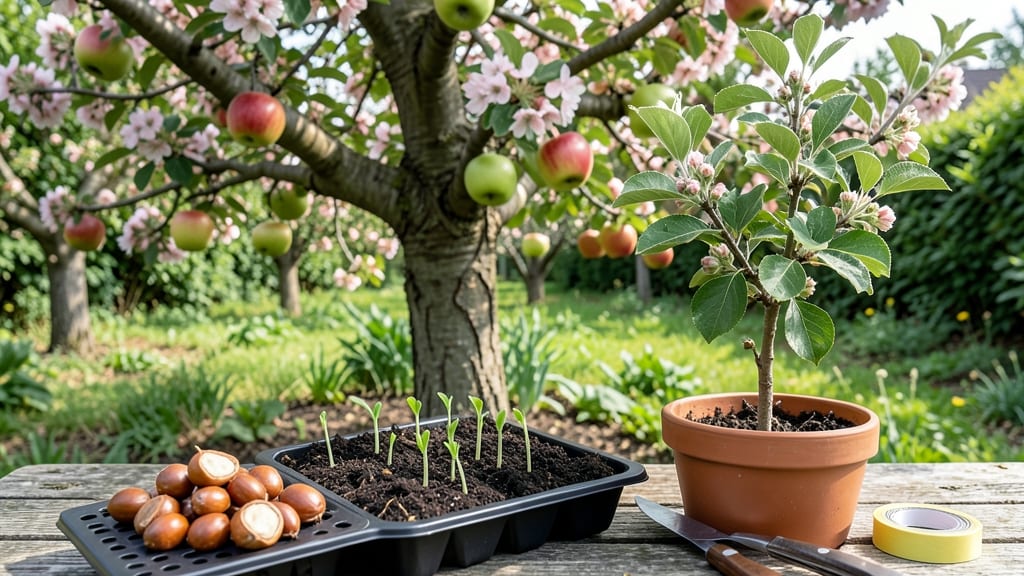
Growing an apple from seed to fruit is the ultimate gardening marathon—one that rewards patience with the sweetest payoff of all. 🌱 I’ve watched my own seedling grow from a tiny sprout to a tree heavy with fruit over seven years, and the journey is just as thrilling as the harvest.
The key isn’t luck; it’s understanding each stage, from the first sprout to the first blush of blossoms, so you can nurture it like a pro.
Here’s the secret: apples from seed take time—5 to 10 years—but with the right soil, sunlight, and pruning, you’ll turn that first seed into a sturdy tree. Start with a cold-stratified seed (or buy one pre-treated), plant it in well-draining soil, and give it full sun every day.
The real magic happens in winter when you prune for shape and summer when you protect it from pests like codling moths. Every year, you’ll see it grow stronger, and by year 5, you might just spot your first flowers.
By the time your tree fruits, you’ll have a homegrown heirloom variety—no store-bought apples here. The taste? Unmatched. The pride? Priceless. And if you’re eager for fruit sooner, grafting can cut that wait to just 3-4 years.
Either way, this is a project that connects you to the land in a way nothing else can.
Fair warning: apples from seed won’t always match the parent tree’s flavor or size—nature’s way of keeping things interesting. But that’s part of the fun. Whether you’re growing for the challenge or the reward, this is how you turn a tiny seed into a lifelong harvest. Let’s get started.
📚 In This Guide
- What you need
- Instructions
- Tips and common mistakes
- Wrapping up and next steps
What you need
- ● Apple seeds: 3–5 fresh, viable seeds (from a healthy, organic apple—avoid hybrid varieties like Granny Smith for best results).
- ● Potting soil: 5–10 lbs of high-quality, well-draining potting mix (look for a blend with perlite or vermiculite).
- ● Seed-starting trays or small pots: 2–4 biodegradable or plastic pots (3–4 inches in diameter).
- ○ Grow lights or sunny windowsill: A grow light (optional but helpful for indoor starts) or a south-facing window with 6+ hours of sunlight daily.
- ● Spray bottle: For gentle watering of seeds.
- ● Plastic wrap or humidity dome: To create a mini greenhouse effect.
- ● Fertilizer: A balanced, water-soluble fertilizer (5-5-5 or 10-10-10 NPK ratio) for seedlings.
- ● Garden soil: Well-draining, slightly acidic soil (pH 6.0–6.5). Test your soil or amend with compost.
- ● Compost or organic matter: 2–3 gallons to enrich planting holes.
- ● Mulch: Wood chips or straw (2–3 inches) to retain moisture and suppress weeds.
- ○ Support stake or trellis: A 4–6 ft tall stake for young trees (optional but recommended).
- ● Heating mat: For faster germination (especially in cooler climates).
- ● pH test kit: To monitor soil acidity as your tree grows.
- ● Pruning shears: For shaping and maintaining your tree.
- ● Pollination aid: A small paintbrush (if growing multiple trees for cross-pollination).
- ● Tree guards: To protect young saplings from pests or animals.
Step-by-step instructions for growing apples from seed to fruit
Here's the clear, year-long process I use to grow apples from seed—no gardening experience needed.
🌱 Step 1: Stratify and Plant the Seeds
Collect fresh apple seeds and remove any remaining fruit flesh. Place them in a damp paper towel inside a sealed plastic bag, then refrigerate for 6-8 weeks. This cold treatment (called stratification) mimics winter conditions and breaks seed dormancy. Check weekly—they're ready when they begin to sprout.
Once sprouted, plant each seed ½ inch deep in a small pot filled with well-draining potting mix. Use 4-inch pots for each seed, as apple seedlings need room to develop. Keep the soil consistently moist but not soggy—you'll know it's right when the surface stays slightly damp but doesn't feel wet to the touch.
☀️ Step 2: Nurture Seedlings Through Their First Year
Place the pots in a sunny window or under a grow light for 12-14 hours daily. Apple seedlings need bright light to grow strong stems and leaves. If you notice the seedlings stretching toward the light with long, thin stems (called "legginess"), move the light closer—2-3 inches above the plants is ideal.
Water when the top inch of soil feels dry. Overwatering at this stage is the most common mistake—it causes root rot and kills young seedlings. Fertilize lightly with a balanced 10-10-10 fertilizer once the seedlings have 4-6 true leaves, using half the recommended strength to avoid burning tender roots.
🪴 Step 3: Transplant and Train the Tree
After 12-18 months, when the seedlings are 3-4 feet tall, transplant them into the ground or larger containers. Choose a location with full sun (6+ hours daily) and well-draining soil. Dig a hole twice as wide as the root ball but no deeper—planting too deep can suffocate the roots.
Prune the tree immediately after transplanting to remove any damaged branches and encourage a strong structure. Cut back any branches that are rubbing together or growing inward. This is also the time to stake young trees if needed—use 2-3 stakes to support the trunk and prevent wind damage.
✂️ Step 4: Care for the Tree Through Maturity
Water deeply once a week during the first growing season, then taper to every 2-3 weeks once established. Mulch around the base with 2-3 inches of organic mulch to retain moisture and regulate soil temperature. Avoid piling mulch against the trunk—keep it 3-4 inches away to prevent rot.
Fruit will appear after 5-7 years, but you can speed up the process by grafting a known apple variety onto your seedling. This ensures consistent fruit quality and flavor. Even without grafting, your tree will produce small, unique apples—just be patient and keep up with regular pruning to maintain an open canopy for airflow and sunlight.
🍎 Step 5: Harvest and Enjoy Your Homegrown Apples
Harvest apples when they're fully colored and easily twist from the tree. This usually happens in late summer to fall, depending on your climate. Store them in a cool, dark place to extend freshness—apples ripen even after picking, so harvest slightly underripe for the best flavor.
Real talk: The first few apples might be small or oddly shaped, but each tree develops its own unique characteristics over time. Celebrate the journey—growing an apple tree from seed is a rewarding process that connects you directly to the fruit you enjoy.
Tips & tricks for growing apples from seed
These little-known details make all the difference between a struggling seedling and a thriving fruit tree.
Stratification Success: The 6-8 week cold treatment is non-negotiable for apple seeds—this mimics winter conditions and tricks them into thinking they've survived a natural cycle. I use a plastic bag with a damp paper towel to create the perfect humidity level. If you notice mold after a week, that's your sign to refresh the paper towel and give it better airflow.
Lighting Strategy: Those 12-14 hours of daily light are crucial for preventing leggy seedlings. I've found that positioning grow lights just 2-3 inches above the plants creates the ideal balance—close enough for strong growth but not so close that it burns the tender leaves. Rotate your pots weekly so all sides get even exposure, which prevents them from growing toward one light source.
Transplanting Timing: Waiting until your seedlings reach 3-4 feet tall (after 12-18 months) gives them the root strength needed for transplant shock. I always do this in early spring when the soil is warming but before the summer heat hits. Dig your hole twice as wide as the root ball but no deeper—this prevents root suffocation while giving them room to establish.
Pruning Pro Tip: When you're pruning after transplanting, look for branches that are growing inward or crossing each other—these are the first to go. I cut them back to an outward-facing bud to encourage better airflow. Remember, you're shaping the tree's future structure, so take your time and make clean cuts just above a leaf node.
Pro Tips for Apple From Seed To Fruit
- These little-known details make all the difference between a struggling seedling and a thriving fruit tree.
- Stratification Success: The 6-8 week cold treatment is non-negotiable for apple seeds—this mimics winter conditions and tricks them into thinking they've survived a natural cycle.
- Lighting Strategy: Those 12-14 hours of daily light are crucial for preventing leggy seedlings.
Frequently asked questions
Got questions about growing apples from seed to fruit? You’re not alone—this process can feel like a puzzle! Below, we’ve rounded up the most common queries to help you grow confidently, whether you’re a beginner or a seasoned gardener.
How long does it take for an apple seed to grow into a fruit-bearing tree?
Patience is key! Apple seeds grown from store-bought fruit typically take 5–10 years to produce fruit—if they do at all. The tree may also take longer to mature and flower. For faster results, consider grafting a known variety onto your seedling later or starting with a nursery-bought apple tree.
Can I speed up the germination process for apple seeds?
Yes! Apple seeds need a stratification period to break dormancy. Place seeds in a damp paper towel in the fridge for 6–8 weeks before planting. Keep them moist but not soggy. Once sprouted, transplant into soil—this mimics winter’s natural chilling effect and boosts success rates.
Will my homegrown apple tree produce fruit that tastes like the original?
Probably not! Apple seeds often grow into unpredictable varieties—the fruit might be smaller, sweeter, or even inedible. For consistent flavor, save seeds from heirloom or open-pollinated apples or buy a grafted tree from a reputable nursery. Think of seed-grown apples as a fun experiment!
What pests or diseases should I watch for when growing apple trees?
Common threats include apple maggots, aphids, and fungal diseases like powdery mildew. Prevent issues with:
- Neem oil sprays for pests
- Pruning for airflow
- Removing fallen fruit to reduce disease
Can I grow an apple tree in a container or small space?
Dwarf apple varieties (like ‘Columnar’ or ‘Patio’) thrive in large containers (15+ gallons) with well-draining soil. Place the pot in full sun and ensure it’s mobile to protect from harsh winds. Just know that container-grown trees may produce smaller yields—ideal for patios but not heavy harvests.
Pro Tip: Label everything!
Apple trees can take years to bear fruit, and varieties vary wildly. Use waterproof tags to track planting dates, seed sources, and growth milestones. Trust us—future you will thank present you!
Wrapping up and next steps
Growing an apple tree from seed to fruit is a rewarding journey that blends patience, care, and a touch of magic. 🌱 You’ve learned how to nurture every stage—from selecting the perfect seed to harvesting juicy, homegrown apples—while troubleshooting common challenges along the way.
Whether you’re a beginner or a seasoned gardener, this process proves that great things truly come from small beginnings.
Now that you’re armed with knowledge, why not take the next step? Plant your first seed today—or share your newfound expertise with a fellow green thumb! 🍏💚 Your orchard awaits!