
Lawn
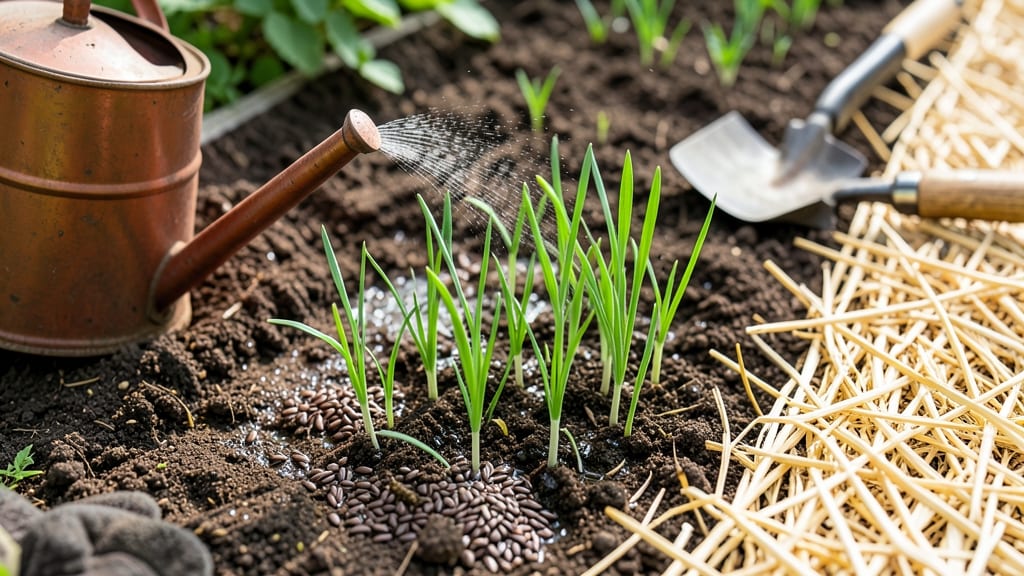
Will grass seed grow in the fall? Yes—and it’s often the best time to seed your lawn. Cool weather and steady rains create perfect conditions for grass seed to germinate and establish strong roots. I’ve overseeded my own lawn in late September every year, and the results are always thicker, greener grass by spring. The key is timing: aim for 4-6 weeks before your first hard frost, when soil temps stay above 50°F but nights cool down. Cool-season grasses like fescue and ryegrass thrive in fall, while warm-season types like Bermuda and Zoysia should wait for spring. A simple soil test ensures your lawn has the right nutrients, and a light raking removes debris so seeds make direct contact with soil. Watering deeply twice daily for the first two weeks keeps seeds moist without drowning them—just like nurturing a new garden bed. By early winter, you’ll see lush, dark green shoots pushing through, and those roots will keep growing even under snow. The payoff? A lawn that’s 30-50% thicker by spring, with fewer weeds and less summer stress. It’s the secret to a foolproof lawn renovation without the springtime rush. Works for zones 3 through 8, with adjustments for drought-prone areas. Here’s how to adapt for your climate and grass type—no guesswork, just results.
📚 In This Guide
- What you need
- Instructions
- Tips and common mistakes
- Wrapping up and next steps
What you need
- ● Grass seed: Choose cool-season varieties (e.g., Kentucky bluegrass, fescue, ryegrass) for your USDA hardiness zone. Quantity: 4–8 lbs per 1,000 sq ft (follow seed bag instructions).
- ● Lawn fertilizer: Slow-release, high-nitrogen blend (e.g., 24-0-6 or 30-0-4). Quantity: 1 lb per 100 sq ft.
- ● Topsoil or compost: ¼–½ inch layer to improve seed-to-soil contact. Type: Organic or loamy soil (avoid clay-heavy mixes).
- ○ Lawn roller (optional but helpful): 50–75 lb weight to press seed into soil.
- ● Broadcast spreader: For even seed distribution (manual or drop-type).
- ● Rake: Metal or plastic with fine tines (¼–½ inch spacing) to loosen soil.
- ● Garden hose with nozzle: For light, frequent watering (fine mist setting).
- ○ Soil test kit (optional):strong> pH 6.0–7.0 ideal; adjust with lime or sulfur if needed.
- ○ Mulch or straw (optional):strong> Thin layer (¼ inch) to retain moisture and protect seeds.
- ● Weather check: Aim for fall planting 4–6 weeks before first frost (soil temps: 60–75°F).
- ● Lawn prep: Mow existing grass short (1–1.5 inches), remove debris, and repair bare spots.
- ● Soil conditions: Loosen top ¼ inch of soil to break compaction (skip if overseeding dense turf).
Step-by-step guide for fall grass seed germination
Fall planting works beautifully for grass—here’s how to time it right and set up for spring success.
🌱 Step 1: Choose the Right Grass Seed for Your Zone
Cool-season grasses like Kentucky bluegrass, fescue, and ryegrass thrive when sown in fall. Warm-season grasses like Bermuda or Zoysia won’t germinate until soil warms in spring. Check your zone: Northern regions (Zones 3-5) can plant as early as late August, while Southern zones (6-9) should wait until September-October to avoid winter dormancy.
Look for seed labeled "fall planting" or "cool-season" to ensure compatibility. I always read the packet—some blends mix warm and cool-season grasses, which won’t work for fall. If unsure, ask your local nursery for zone-specific recommendations.
🌿 Step 2: Prepare the Soil Before Planting
Test soil pH first—ideal range for most grasses is 6.0-7.0. If your soil is too acidic or alkaline, amend it with lime or sulfur 4-6 weeks before planting. Rake the area to remove debris, then loosen the top 2-3 inches of soil with a garden fork or tiller to improve seed-to-soil contact.
Lightly rake the surface again to create a fine, crumbly texture—this helps seeds settle just below the surface. Avoid compacting the soil; firm it gently with your hands or a board. If your soil is heavy clay, mix in 1-2 inches of compost to improve drainage and fertility.
⏰ Step 3: Time Planting for Optimal Germination
Plant 4-6 weeks before your first hard frost—this gives seeds time to germinate before winter slows growth. In most regions, that’s mid-September to early October. Seedlings need 6-8 weeks of warm soil and cool air to establish roots before winter dormancy.
Check soil temperature with a probe—ideal germination range is 50-65°F. If temperatures drop below 40°F, germination will stall. Water the soil the day before planting to ensure moisture; dry soil will prevent seeds from making contact with damp earth.
💧 Step 4: Sow and Water for Strong Establishment
Spread seed evenly by hand or with a broadcast spreader, aiming for 10-15 seeds per square inch. Lightly rake again to cover seeds with ¼ inch of soil—this protects them from drying out and birds while allowing sunlight to reach them. Avoid burying seeds deeper than ½ inch, or they may not sprout.
Water gently but thoroughly after planting to settle seeds into the soil. Keep the area moist (not soggy) for the first 2-3 weeks—seedlings need consistent moisture to germinate. Use a sprinkler or fine mist to avoid displacing seeds. Once sprouts appear, reduce watering slightly but keep soil damp until grass reaches 3-4 inches tall.
☀️ Step 5: Maintain Through Winter for Spring Success
Grass planted in fall will grow slowly but steadily until frost. Once growth slows, it’s normal—roots will continue developing underground. Avoid mowing until spring, when grass reaches 3-4 inches and actively grows. In colder zones, a thin layer of straw mulch (not hay) can protect seeds from freezing but allow sunlight.
Resume watering in early spring as new growth appears. Fertilize lightly with a low-nitrogen formula (like 10-10-10) when grass is 3-4 inches tall to encourage strong root development. By late spring, your fall-planted grass should be lush and established, ready for regular mowing and care.
Tips & tricks for perfect fall grass germination
Fall planting can be your secret weapon for a lush lawn—here’s how to avoid common pitfalls and set yourself up for success.
Zone-Specific Timing: The 4-6 week window before your first hard frost is critical for cool-season grasses. In Zone 3-5, you can start as early as late August, but wait until mid-September in Zones 6-9. I always check the local frost date calendar—planting too early in warm zones can lead to summer dormancy before roots establish. Use this frost date map to pinpoint your exact window.
Soil Temperature Matters: While the instructions mention 50-65°F as ideal, I’ve found that seeds actually germinate fastest at the higher end of that range—closer to 65°F. If your soil is below 50°F, germination will be sluggish. A soil thermometer costs less than $10 and prevents wasted effort. Pro tip: Early morning is the best time to check soil temperature—it’s often 5-10°F cooler then than in the afternoon.
Seed Coverage Technique: The ¼-inch soil coverage recommendation is perfect, but here’s what nobody tells you—use a stiff brush or your fingers to create tiny furrows before sowing. This creates micro-grooves that help seeds settle just below the surface without needing to be buried. After planting, I lightly drag a piece of plywood over the area to ensure even contact between seeds and soil.
Watering Strategy: Those first 2-3 weeks of consistent moisture are make-or-break. I’ve learned the hard way that sprinklers can create uneven watering patterns—some areas get drenched while others stay dry. Instead, I use soaker hoses placed in a grid pattern, keeping them running for 10-15 minutes every morning. This ensures uniform moisture without disturbing the seeds.
Pro Tips for Will Grass Seed Grow In The Fall
- Fall planting can be your secret weapon for a lush lawn—here’s how to avoid common pitfalls and set yourself up for success.
- Zone-Specific Timing: The 4-6 week window before your first hard frost is critical for cool-season grasses.
- Soil Temperature Matters: While the instructions mention 50-65°F as ideal, I’ve found that seeds actually germinate fastest at the higher end of that range—closer to 65°F.
Frequently asked questions
Got questions about sowing grass seed in the fall? You’re not alone! Here are the most common concerns—plus straightforward answers to help you plan like a pro.
Can grass seed still grow if I plant it too late in the fall?
Yes, but timing matters! In most zones (USDA 5-8), aim to plant 4-6 weeks before your first hard frost (usually late August to early October). If frost hits before germination (7-21 days), seeds won’t thrive. Check your zone’s last frost date to play it safe.
What’s the best grass seed type for fall planting?
Cool-season grasses thrive in fall, including:
- Tall fescue (drought-tolerant, slow-growing)
- Perennial ryegrass (fast germination, great for patchy lawns)
- Kentucky bluegrass (lush but needs more care)
How do I prepare my lawn for fall seeding if it’s already overgrown?
Start with these 3 steps:
- Mow low (set blades to 1.5–2 inches) to reduce competition.
- Dethatch if the layer is >0.5 inches thick (rent a dethatcher or rake manually).
- Loosen soil with a rake or aerator to help seeds make contact with soil.
What if my fall seeds sprout but then die in winter?
Don’t panic! Established roots (1–2 inches deep) can survive light frost, but heavy snow or prolonged cold may damage tender shoots. Use straw mulch (¼-inch layer) to insulate seeds and protect them until spring. If seeds die, re-seed in early spring (as soon as soil is workable).
Can I overseed an existing lawn in the fall, or do I need to reseed bare spots?
Both work! For overseeding:
- Mow short, then spread seed lightly (use a spreader for even coverage).
- Water daily (keep soil moist like a damp sponge).
Wrapping up and next steps
Fall is absolutely the perfect time to sow grass seed—cooler temps, fewer weeds, and steady moisture create ideal conditions for germination! 🌱 Whether you’re in a cool or warm zone, proper prep, seed choice, and care will give you a lush lawn by spring.
Don’t wait for "perfect" weather; act now to maximize your success.
Next step: Grab your supplies, follow your zone’s guide, and get planting! Track your progress and adjust as needed—your future lawn will thank you. 🌿