
Planting
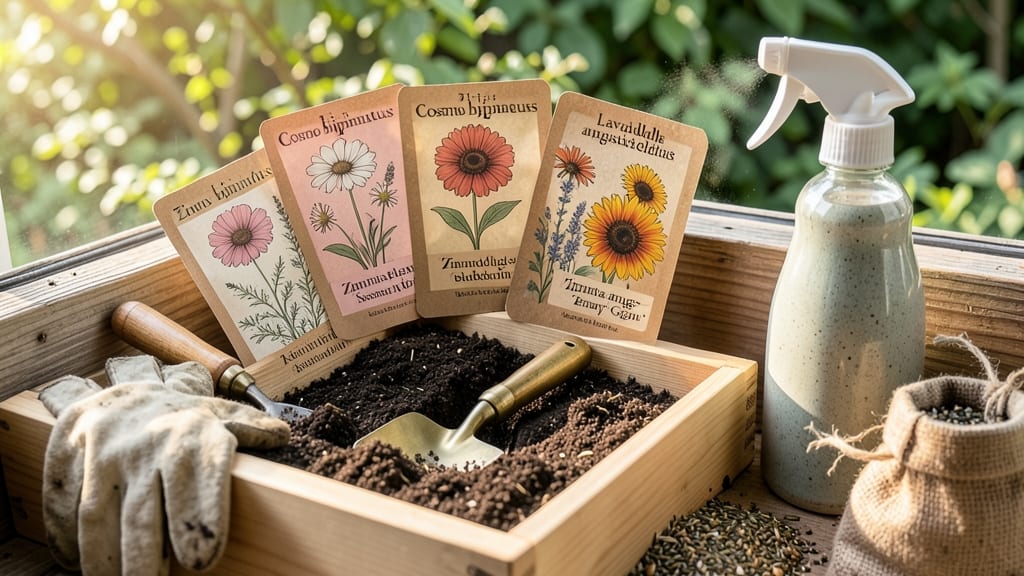
Those wildflower seed packets in your drawer could transform your yard into a pollinator paradise by next summer. 🌸 I’ve turned my own patch of "lazy grass" into a blooming meadow using nothing but a few packets, a Saturday afternoon, and some patience—no fancy tools or green thumbs required.
The secret starts with the right spot: wildflowers thrive where they’re left alone, so pick an area with full sun and poor soil (they don’t need rich dirt to shine). Scatter the seeds lightly, barely covering them with a thin layer of soil or even just a light rake pass.
Water gently for the first week, and then let nature take over—these tough little seeds don’t need coddling.
By late spring, you’ll see the first delicate blooms popping up, and by summer, your space will buzz with bees, butterflies, and hummingbirds. The best part? Wildflowers keep blooming all season long, with some varieties even returning year after year. No deadheading, no fuss—just pure, effortless beauty.
Works in meadows, borders, or even large containers—just adjust the seed quantity to fit your space. Here’s how to make the most of every packet without overcomplicating it.
📚 In This Guide
- What you need
- Instructions
- Tips and common mistakes
- Wrapping up and next steps
What you need
- ● Wildflower seed packets – Choose native species for your region (e.g., Black-eyed Susan, Coneflower, or Cosmos). Opt for neonicotinoid-free seeds for pollinator safety.
- ● Garden soil or potting mix – 1–2 cubic yards for in-ground planting; 1–2 bags for containers.
- ● Garden gloves – A pair to protect your hands from thorns or rough soil.
- ● Hand trowel or small rake – For loosening soil and creating furrows.
- ● Watering can or hose with a gentle spray nozzle – Essential for consistent moisture.
- ○ Mulch (optional but recommended) – Straw, wood chips, or shredded leaves to retain moisture and suppress weeds.
- ● Seedling trays or biodegradable pots – For starting seeds indoors (if sowing early).
- ● Compost or fertilizer – A balanced 10-10-10 blend to boost soil health.
- ● Birdseed or pollinator-friendly treats – To attract bees, butterflies, and birds to your new blooms!
- ● Garden markers or stakes – To label varieties and track growth.
- ○ Sunlight meter (optional) – To ensure your planting spot gets the right light conditions.
How to plant wildflower seed packets for year-round color
Wildflower seed packets are the easiest way to transform bare spots into vibrant blooms—just toss, water, and watch nature take over.
🌱 Step 1: Choose the Right Location and Prepare the Soil
Pick a sunny spot with at least 6 hours of direct sunlight daily. Wildflowers thrive where native plants grow—usually open meadows, garden edges, or disturbed soil. Clear away weeds and debris, then loosen the top 2-3 inches of soil with a rake or hoe. You don’t need perfect soil, but breaking up compacted earth helps seeds make contact with moisture.
If your soil is heavy clay, mix in a handful of coarse sand or perlite to improve drainage. Wildflowers hate soggy roots, so raised beds or slopes work beautifully. I like to test the soil pH with a simple kit—most wildflower mixes prefer 6.0-7.5. If yours is too acidic, sprinkle dolomitic lime and work it in lightly.
🌿 Step 2: Scatter Seeds and Lightly Cover
Open the seed packet and pour the contents directly onto the prepared soil. For small areas, I use my fingers to spread seeds evenly, aiming for about 10-15 seeds per square foot. Don’t worry about perfect spacing—wildflowers self-seed and fill in gaps naturally. If planting in windy spots, press seeds into the soil with your palm to prevent them from blowing away.
Cover seeds with a thin layer of soil—just enough to hide them from birds and sunlight. For most wildflower mixes, this means ¼ inch or less. Lightly rake the surface to smooth it out. Avoid burying seeds too deep; they need light to germinate. Water gently with a fine spray nozzle until the soil feels evenly moist but not soggy.
💧 Step 3: Water Consistently Until Established
Keep the soil moist for the first 2-4 weeks until seedlings appear. Water early in the morning so moisture evaporates during the day, reducing fungal risks. I use a gentle sprinkler or soaker hose to avoid disturbing the soil. Once seedlings emerge, reduce watering to 1-2 times per week, letting the soil dry slightly between waterings.
This is where many gardeners give up—wildflowers need patience. If you see wilting, water deeply but don’t overdo it. Overwatering drowns delicate seedlings. After 6-8 weeks, when plants reach 3-4 inches tall, you can taper off watering entirely. Mature wildflowers are drought-tolerant once established.
☀️ Step 4: Maintain and Enjoy Year-Round Blooms
Let the wildflowers grow tall and seed naturally. Cut back spent blooms in late fall or early spring to encourage new growth, but leave some seed heads for wildlife and next year’s flowers. I avoid fertilizers—wildflowers thrive in lean soil. If weeds start crowding your wildflowers, pull them by hand before they compete for sunlight.
Watch for pollinators! Butterflies, bees, and hummingbirds will visit within weeks. To extend the blooming season, plant a mix of early, mid, and late-season varieties. Some wildflowers, like black-eyed Susans, self-seed aggressively—you’ll have blooms for years with minimal effort. The key is letting nature do the work once you get started.
Tips & tricks for perfect wildflower planting
These simple strategies will help you skip the common pitfalls and get the most vibrant blooms from your wildflower seeds.
Sunlight Secret: That 6 hours of daily sunlight requirement is non-negotiable for most wildflower mixes. I've planted in shadier spots and ended up with sparse, weak growth. If your yard has partial shade, choose shade-tolerant varieties like foxglove or columbine instead of sun-loving mixes. Early morning sun with afternoon shade can work too—just avoid deep shade areas entirely.
Soil Prep Game-Changer: The 2-3 inches of loosened soil in Step 1 is crucial for seed-to-soil contact. I learned this the hard way—seeds planted on compacted soil often fail to germinate. For rocky or hardpan soil, use a broadfork to aerate deeper. In clay soil, mix in that sand or perlite right at planting time to prevent future drainage issues. Think of it as creating a cozy nest for your seeds.
Watering Wisdom: Those first 2-4 weeks of consistent moisture are make-or-break. I recommend setting a timer for morning watering—wildflowers need steady hydration, not occasional deep soaks. Once seedlings appear, let the soil dry slightly between waterings to prevent fungal diseases. A good rule: if the top inch feels dry, it's time to water. Overwatering at this stage is the #1 reason new plantings fail.
Maintenance Shortcut: The 6-8 week mark when you can taper off watering is actually when the real magic happens. Let nature take over—wildflowers become drought-tolerant once established. I've seen areas that needed daily watering turn into self-sustaining meadows after just one growing season. The key is patience: resist the urge to over-tend your new garden.
Pro Tips for Wildflower Seed Packets
- These simple strategies will help you skip the common pitfalls and get the most vibrant blooms from your wildflower seeds.
- Sunlight Secret: That 6 hours of daily sunlight requirement is non-negotiable for most wildflower mixes.
- Soil Prep Game-Changer: The 2-3 inches of loosened soil in Step 1 is crucial for seed-to-soil contact.
Frequently asked questions
Got questions about wildflower seed packets? You’re not alone! Here are some of the most common queries—and straightforward answers—to help you get started with confidence.
When is the best time to plant wildflower seeds?
For most regions, late summer to early fall (August–October) is ideal—seeds germinate in cool soil, and early growth gives plants a head start before winter. In warmer climates, spring or winter planting also works. Always check your packet for region-specific timing tips!
How long does it take for wildflowers to bloom?
Patience pays off! Many wildflower varieties take 6–12 months to mature and bloom, though some annuals may surprise you with flowers as early as 8–10 weeks. Perennials often return year after year, rewarding your wait with vibrant displays.
Do wildflower seeds need special care after planting?
Not much! Lightly rake seeds into soil (¼ inch deep) and water gently to keep them moist until germination. Once established, wildflowers are drought-tolerant—overwatering can actually harm them. Mulch lightly to retain moisture if your area is dry.
Can I plant wildflower seeds in containers or small spaces?
Choose compact varieties like cosmos or lupine for pots, window boxes, or even vertical planters. Just ensure containers have drainage holes and use lightweight potting soil. Even a tiny balcony can become a pollinator paradise!
Why aren’t my wildflowers growing? Troubleshooting tips.
No germination?
Seeds may need stratification (a cold period). Try chilling them in the fridge for 4–6 weeks before planting.
Weeds taking over?
Plant in late summer when weeds are dormant, or use a light mulch to suppress competition.
Few blooms?
Deadhead spent flowers (remove faded blooms) to encourage more growth.
Still stumped? Check your seed packet for light/sun requirements—some wildflowers thrive in shade, while others need full sun.
Wrapping up and next steps
Transforming your space into a vibrant wildflower haven is easier—and more rewarding—than you think! With just a few wildflower seed packets, you can bring year-round color, support pollinators, and create a low-maintenance paradise. Whether you’re a seasoned gardener or a curious beginner, these tiny treasures pack a big punch.
Ready to get started? Grab your seeds, pick a sunny spot, and let nature do the rest! 🌸 Start small—even a single packet can make a difference. Happy planting!