
Size
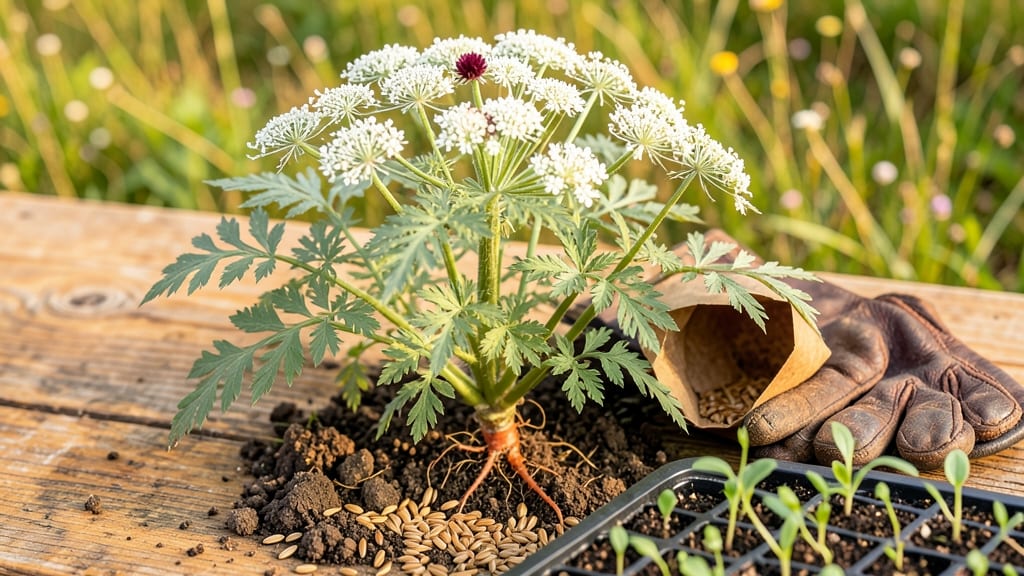
Growing wild carrot seed in a garden transforms a patch of soil into a lacy white floral display in just 30 days 🌿.
I’ve watched these delicate plants go from tiny seeds to towering blooms, and the process is simpler than most gardeners realize—no fancy equipment or years of experience needed. The key lies in mimicking their natural growing conditions while giving them the right start in your garden.
Wild carrots thrive in full sun and well-draining soil, making them perfect for sunny garden beds or even container edges. Start by loosening the soil to a depth of 6 inches, removing any rocks or debris that could hinder root growth.
Scatter the seeds lightly—too-deep planting stunts their development—and cover them with ¼ inch of soil. Lightly water the area to settle the seeds without disturbing them.
Within 10 days, you’ll spot the first green shoots pushing through the soil, and by week 4, you’ll have a sea of feathery foliage ready to burst into bloom.
The plants stay low-maintenance: water them once a week unless your area experiences extreme heat, and avoid fertilizing—wild carrots prefer lean soil. By mid-summer, you’ll have clusters of white lace-like flowers that attract pollinators and add texture to any garden.
While wild carrots are non-invasive in most regions, they self-seed freely, so deadhead spent blooms if you want to control their spread. The roots, though small, are edible and slightly sweet—great for adding to salads or teas.
For ornamental gardens, their airy form contrasts beautifully with bold foliage plants, making them a foolproof addition for both beginners and seasoned growers.
📚 In This Guide
- What you need
- Instructions
- Tips and common mistakes
- Wrapping up and next steps
What you need
- ● Wild carrot seeds: 1–2 packets (about 1,000–2,000 seeds total). Look for organic, non-GMO seeds for the best results!
- ● Garden soil: 1–2 bags of well-draining, loamy soil (or potting mix if starting indoors). Aim for a pH of 6.0–7.0.
- ● Seed trays or pots: 4–6 small trays (4"x4" or larger) with drainage holes, or a single larger container (12"x12" or bigger).
- ● Seed-starting soil: 1 small bag (for indoor germination, if applicable).
- ● Watering can or spray bottle: With a fine mist nozzle for gentle watering.
- ● Garden gloves: 1 pair (to protect your hands from soil and prickly stems later!).
- ○ Fertilizer (optional but helpful): Balanced liquid fertilizer (e.g., 10-10-10) or
- ● Compost (1–2 cups mixed into soil).
- ● Garden twine or stakes (for later): 4–6 small stakes (6–12" tall) to support taller plants.
- ● Row covers or cloches: To protect seedlings from pests or cold snaps.
- ● Mulch: Straw or shredded leaves to retain moisture and suppress weeds.
- ● Grow lights: If starting seeds indoors before the last frost.
- ● Plant markers: Small sticks or labels to track varieties (especially if growing multiple types).
- ● Wildlife-friendly companion plants: Like dill or parsley, to attract beneficial insects!
Step-by-Step instructions for growing wild carrot from seed
Here’s how I turn delicate wild carrot seeds into a vibrant garden—fast and foolproof.
🌱 Step 1: Prepare the Soil and Plant the Seeds
Choose a sunny spot with well-draining soil—wild carrots thrive in full sun and sandy loam that prevents root forking. Loosen the top 6 inches of soil with a fork, removing rocks or debris that could distort the taproots. I like to add a handful of compost to the planting area to enrich the soil without making it too heavy.
Sow seeds ¼ inch deep in early spring, about 2-3 weeks before your last frost date. Scatter them ½ inch apart in rows 12 inches apart—wild carrots need space to develop their characteristic feathery foliage and deep roots. Lightly cover with soil and water gently to settle the seeds without displacing them.
💧 Step 2: Maintain Moisture and Thin Seedlings
Keep the soil consistently moist but never soggy—wild carrots hate waterlogged roots. Water once or twice weekly, enough to moisten the top 2 inches of soil. You’ll see first true leaves in 10-14 days, but don’t rush to thin yet. Wait until seedlings are 2-3 inches tall before carefully pulling out weaker plants, leaving the strongest ones 3-4 inches apart.
Here’s the thing—thinning early prevents overcrowding, which leads to stunted growth and poor flavor. Use small scissors or your fingers to snip excess seedlings at soil level, leaving the root intact. This reduces shock to the remaining plants.
☀️ Step 3: Fertilize and Monitor for Blooms
Once seedlings reach 4-6 inches tall, apply a balanced organic fertilizer (like 10-10-10) at half-strength to encourage lush foliage. I fertilize every 4-6 weeks during the growing season, always watering before and after to prevent root burn. Wild carrots are low-maintenance, but a little extra nutrients speeds up growth and ensures vibrant blooms.
Watch for white flower clusters to appear in 30-45 days—this is your cue that the plants are ready for harvesting or letting go to seed. If you’re growing for greens, harvest leaves as needed, but leave some to flower for pollinators and seed production.
✂️ Step 4: Harvest and Preserve for Next Year
For young greens, snip leaves from the base as needed, leaving at least half the plant intact so it keeps producing. For roots, wait until the foliage yellows in late summer—this signals the root is fully developed. Gently loosen the soil with a fork, then pull or dig carefully to avoid breaking the taproot. Rinse and store in a cool, dark place for 1-2 weeks before using.
If you’re saving seeds, let some plants flower and dry naturally. The flat, ribbed seed pods will turn brown and brittle—simply rub them between your fingers to release seeds. Store in a paper envelope in a dry place for next year’s planting. I always set aside a few plants to self-seed; wild carrots naturalize beautifully in the right conditions.
Tips & tricks for growing wild carrot from seed
Common pitfalls—and how to sidestep every one—when transforming delicate wild carrot seeds into a thriving garden.
Soil Preparation: The sandy loam mentioned in Step 1 is non-negotiable for preventing forked roots. If your soil is heavy clay, mix in 25% sand and 10% compost by volume before planting. I’ve seen wild carrots grow beautifully in containers with a 50/50 mix of potting soil and perlite—just ensure drainage holes are present. The key is replicating that loose, airy texture where roots can grow straight and unobstructed.
Timing Secret: Those 2-3 weeks before last frost in Step 1 give seeds time to germinate before summer heat arrives. For regions with unpredictable springs, consider starting seeds indoors 4-6 weeks earlier in biodegradable pots, then transplanting after frost. The seedlings handle transplanting well once they’ve developed their first true leaves. Watch for nighttime temperatures dropping below 50°F—you can protect young plants with row covers if needed.
Thinning Technique: The 2-3 inches tall guideline in Step 2 is perfect for minimizing shock. I’ve found using a small hand trowel to gently loosen soil around seedlings makes thinning easier—just slide the trowel under the plant you’re removing. For large plantings, consider thinning in stages: first reduce to 2 inches apart, then to 3-4 inches a week later. This gradual approach gives remaining plants time to establish stronger root systems.
Fertilizer Wisdom: That half-strength 10-10-10 application in Step 3 is ideal, but wild carrots actually prefer being slightly underfed. Over-fertilizing leads to leafy growth at the expense of root development. For organic options, try a fish emulsion at ¼ strength—it provides nitrogen without the risk of burning. Always water before and after applying fertilizer to prevent root damage, as mentioned in the instructions.
Pro Tips for Wild Carrot Seed Grow A Garden
- Common pitfalls—and how to sidestep every one—when transforming delicate wild carrot seeds into a thriving garden.
- Soil Preparation: The sandy loam mentioned in Step 1 is non-negotiable for preventing forked roots.
- Timing Secret: Those 2-3 weeks before last frost in Step 1 give seeds time to germinate before summer heat arrives.
Frequently asked questions
Got questions about growing wild carrots from seed? You’re not alone—this fast-growing, hardy plant has a few quirks! Here are answers to the most common queries to help you cultivate a thriving garden effortlessly.
Can I grow wild carrots from store-bought seeds or do I need special ones?
You can absolutely use wild carrot (Daucus carota) seeds from specialty seed suppliers or even wild-harvested seeds! Just ensure they’re labeled as non-hybrid to guarantee viability. Store-bought organic seeds (like those for Queen Anne’s lace) often work too—just check for purity to avoid unwanted heirloom carrots sneaking in!
How long does it take for wild carrots to sprout and bloom?
Wild carrots are fast growers! Seeds typically sprout in 7–14 days in warm soil (60°F+). You’ll see delicate fern-like foliage first, followed by white flowers with purple centers in just 30–45 days under ideal conditions. For a continuous bloom, plant seeds every 2–3 weeks.
Do wild carrots need full sun, or can they grow in partial shade?
While wild carrots thrive in full sun (6+ hours/day), they’ll tolerate partial shade (4–6 hours) if your climate is hot. In shadier spots, expect slower growth and fewer flowers. For best results, plant them in well-draining soil with moderate moisture—they hate soggy roots!
What pests or diseases should I watch out for?
Wild carrots are pest-resistant, but keep an eye out for:
- Carrot rust flies (lay eggs near foliage—cover seeds with row fabric if needed).
- Aphids (spray with soapy water if clusters appear).
- Fungal issues (like leaf spot) in humid conditions—improve airflow and avoid overhead watering.
Most problems are rare, though—wild carrots are low-maintenance!
Can I eat wild carrots, or are they just for flowers?
Yes! While the roots are edible (though often small and woody), the leaves, flowers, and seeds are the real stars. Leaves taste like mild parsley—great in salads or as a pesto base. Flowers add a licorice-like flavor to teas or garnishes. Seeds are used in homemade carrot seed tea (steep dried flowers in hot water). Pro tip: Harvest leaves young for the best flavor!
Wrapping up and next steps
Growing wild carrots from seed is a rewarding journey that brings vibrant blooms and edible roots to your garden in just 30 days! 🌱 With the right soil, patience, and a few simple steps, you’ll transform tiny seeds into lush, fragrant plants—perfect for pollinators and your table.
Now that you’re armed with tips and answers, it’s time to roll up your sleeves and plant! Start small, track your progress, and soon you’ll be harvesting fresh carrots or enjoying their beautiful flowers.
🌿 Next Steps:
- Mark your calendar for 30 days from planting.
- Experiment with companion plants like dill or parsley for a thriving garden.
- Share your wild carrot harvest with friends—nature’s bounty tastes best when shared!