Propagation
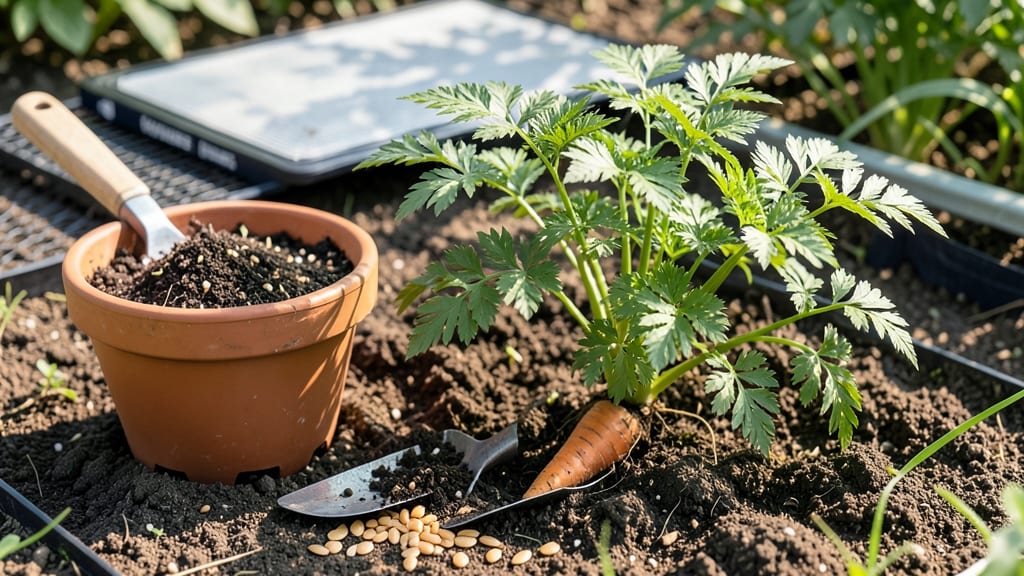
Growing carrots from seed in pots means fresh, sweet roots without a backyard. 🌱 I thought container carrots would be a compromise, but my first harvest last summer proved me wrong—they were sweeter than anything from the garden beds, and the process was simpler than I expected.
Start with 5-7 gallon containers (deeper is better for long roots) and loose, stone-free potting mix. Carrots need 12-14 hours of sunlight daily, so south-facing windows or grow lights work best. The key is patience: seeds take 10-21 days to sprout, and full-sized carrots need 60-80 days total.
You’ll end up with crisp, flavorful roots that fit perfectly in salads or roasted dishes. The best varieties for pots are ‘Paris Market’ (short and sweet) or ‘Little Finger’ (baby carrots), both of which avoid the forking common in tight spaces.
Just keep the soil consistently moist—not soggy—and watch your container garden transform into a carrot patch.
This method works for balconies, patios, or even sunny windowsills. The only challenge is avoiding overcrowding—thin seedlings to 2 inches apart once they’re an inch tall. That’s it! No digging, no weeds, just fresh carrots whenever you want them.
📚 In This Guide
- What you need
- Instructions
- Tips and common mistakes
- Wrapping up and next steps
What you need
- ● Carrot seeds: Choose a short-to-medium variety (e.g., 'Paris Market,' 'Little Finger,' or 'Nantes')—they’re perfect for containers! Aim for 1 packet (500-1,000 seeds) per pot.
- ● Containers: Pots at least 12 inches deep (deeper = longer carrots!). Use 5-6 inch diameter pots for single carrots or larger bins (12"+ wide) for a cluster.
- ● Potting mix: A lightweight, well-draining blend (e.g., 60% peat/coir, 30% perlite, 10% compost). Avoid garden soil—it’s too dense!
- ● Watering can or spray bottle: For gentle, even moisture. A fine-mist nozzle helps prevent seed displacement.
- ● Seedling trays: For pre-sprouting seeds (speeds up germination!). Use biodegradable pots to transplant later.
- ● Plant labels: Mark varieties and planting dates—carrots love organization! 📝
- ● Fertilizer: A balanced organic fertilizer (5-5-5 or 10-10-10) or compost tea to boost growth.
- ● Grow lights (indoor setups): If starting early, use a full-spectrum LED 12+ inches above seedlings for 14-16 hours/day.
- ● Sunlight: 6+ hours of direct sun daily (south-facing windows or outdoor spots work best).
- ● Temperature: Ideal germination range: 60–75°F (15–24°C). Avoid freezing pots!
- ● Patience: Carrots take 70–80 days to mature—plan ahead for harvest time!
Step-by-Step instructions for growing carrots from seed in pots
Here's how to grow sweet, tender carrots in containers—no deep beds required.
🌱 Step 1: Choose the Right Containers and Soil
Select deep pots at least 12 inches tall—carrots need room to grow straight roots. I use fabric grow bags for their breathability, but any container with drainage works. Fill each with light, loose potting mix—never garden soil, which compacts and stunts root development. Add 1 cup of coarse sand or perlite per gallon of mix to prevent clumping and encourage straight roots.
Moisten the soil until it's damp but not soggy—think of a wrung-out sponge. Press it down gently so the surface is firm but not packed. The goal is to eliminate air pockets while keeping the mix loose enough for roots to push through. I like to tap the container on the table once to settle everything evenly.
🌱 Step 2: Sow Seeds Thinly and Deeply
Carrot seeds are tiny and slow to germinate, so I plant them ¼ inch deep in rows spaced 2 inches apart. Scatter seeds thinly—about 1 teaspoon per square foot—to avoid overcrowding. I tap the seed packet gently to release one seed at a time, then cover lightly with a sprinkle of additional mix. The key here is patience: don't bury them too deep, or they'll struggle to break through.
Mist the surface gently with a spray bottle until evenly moist. A heavy watering can will dislodge the seeds and bury them too deep. Label each pot with the variety and date—after a week of watching identical green sprouts, you'll forget which is which. Place the pots in a warm, sunny spot (65-75°F) and cover with a clear humidity dome or plastic wrap to retain moisture.
💧 Step 3: Maintain Moisture and Thin Seedlings
Keep the soil consistently moist—not soggy, but never dry. Carrot seeds germinate in 14-21 days, but they need steady moisture to break through the soil. I check the soil daily by sticking my finger ½ inch deep; if it feels dry, I water lightly. Once 50% of seeds have sprouted, remove the dome immediately—trapped humidity invites damping-off disease, which collapses stems overnight.
When seedlings reach 2 inches tall, thin them to 2 inches apart using scissors to avoid disturbing roots. I save the thinned seedlings for microgreens or compost. Strong seedlings have deep green leaves and thick stems—if they look leggy or pale, they need more light. Rotate pots weekly so plants grow upright instead of leaning toward the sun.
☀️ Step 4: Provide Full Sun and Fertilize Lightly
Carrots need 6-8 hours of direct sun daily for sweet roots. A south-facing window or grow light (positioned 4-6 inches above the plants) works well. Without enough light, roots grow thick and woody instead of tender. You'll see leggy growth as thin, pale stems with leaves spaced far apart—this is your signal to move the pots closer to the light.
Fertilize once when seedlings are 3 inches tall with a balanced liquid fertilizer (10-10-10) diluted to half strength. Over-fertilizing leads to leafy tops but small roots. Water deeply after fertilizing to prevent salt buildup. I avoid organic fertilizers here—they can cause forking roots, which are unsightly and tough to eat.
⏰ Step 5: Harvest at Peak Sweetness
Carrots are ready to harvest 60-80 days after sowing, when the tops are 4-6 inches tall. Gently loosen the soil around the base with your fingers, then pull upward—resist the urge to twist, or you'll snap the roots. Check for 1-inch diameter roots with smooth, tapered shapes. If the soil feels dry, water the day before harvesting for easier extraction.
Harvest on a dry day to prevent soil from sticking to the roots. Store in the fridge for 2-3 weeks or preserve by canning, freezing, or fermenting. If you leave carrots in the ground too long, they'll split or become woody. Here's the thing—carrots grown in pots stay sweeter longer because they're less prone to bolting in heat.
Tips & tricks for perfect container-grown carrots
Growing carrots in pots isn't just possible—it can yield sweeter, straighter roots than traditional gardens. Here's how to maximize your success.
Soil Texture Matters: The 1:1 ratio of potting mix to coarse sand or perlite in Step 1 is non-negotiable. I've tried skipping this, and the roots forked or grew crooked. The sand creates tiny air pockets that guide roots downward while preventing compaction. For even better results, sift the mix through a fine-mesh screen before filling pots—this eliminates large clumps that can cause forking. The goal is a texture like crumbled cake, not dense soil.
Seed Spacing Secret: When sowing those tiny seeds in Step 2, resist the urge to plant them densely—1 teaspoon per square foot might seem sparse, but it prevents overcrowding that leads to stunted, misshapen roots. I use a toothpick to create shallow furrows for seeds, then cover with a fine layer of mix using a sieve. This ensures even depth without burying seeds too deeply, which they'll struggle to break through.
Light Positioning: The 6-8 hours of direct sun in Step 4 is critical, but placement matters just as much. I position my pots on a wheeled dolly so I can rotate them weekly to prevent leaning. For indoor growing, place pots near a south-facing window where they'll receive consistent light. If using grow lights, position them 4-6 inches above the plants and adjust height as seedlings grow—too close causes burning, too far leads to leggy growth.
Harvesting Technique: When harvesting in Step 5, I find it's easier to loosen the soil around roots first by gently wiggling the pot from side to side. This prevents snapping roots when pulling. For stubborn carrots, I place the pot in a bowl of water for 10 minutes to soften the soil before extracting. Always harvest on dry days—wet soil sticks to roots and makes cleaning difficult. The 1-inch diameter check is key: smaller roots are tender but less flavorful, while larger ones may have toughened.
Pro Tips for Growing Carrots From Seed In Pots
- Growing carrots in pots isn't just possible—it can yield sweeter, straighter roots than traditional gardens. Here's h...
- Soil Texture Matters: The 1:1 ratio of potting mix to coarse sand or perlite in Step 1 is non-negotiable. I've tried ...
- Seed Spacing Secret: When sowing those tiny seeds in Step 2, resist the urge to plant them densely—1 teaspoon per squ...
Frequently asked questions
Got questions about growing carrots in pots? You’re not alone! Here are some of the most common concerns—and their solutions—to help you grow sweet, crunchy roots without the hassle.
Can I grow carrots in any pot, or do I need something special?
Mostly, depth is key! Choose pots at least 12 inches deep—shallow containers will stunt root growth. Opt for wide, round pots (like window boxes or fabric grow bags) to prevent forking. Avoid narrow pots—they’ll squeeze roots and make them twisty.
How long does it take for carrots to grow in pots?
From seed to harvest, expect 60–80 days for baby carrots (3–4 inches) and 70–100 days for full-sized roots (6+ inches). Smaller varieties (like ‘Paris Market’) mature faster—perfect for impatient growers! Check seed packets for exact timelines.
Why are my carrot seeds not germinating in pots?
Carrot seeds need consistent moisture and warmth (60–70°F) to sprout. Keep soil damp (not soggy!) with a spray bottle or cover pots with plastic wrap until germination (7–21 days). Poor soil or old seeds? Try fresh, well-draining potting mix and store-bought seeds for better odds.
Can I replant carrots after harvest, or should I start fresh?
Yes! After pulling carrots, loosen the soil, remove debris, and add compost to replenish nutrients. Replant seeds immediately (if space allows) or wait 2–3 weeks to avoid overcrowding. Just avoid planting in the same spot too often—rotate crops to prevent disease.
What if my carrots grow too big for the pot?
If roots outgrow their container, harvest them early (they’ll still be tasty!) or thin seedlings to 2–3 inches apart to give remaining carrots room. For next time, choose shorter varieties (like ‘Little Finger’) or upgrade to deeper pots. No waste—cook or share the extras!
Wrapping up and next steps
Growing carrots from seed in pots is a rewarding way to enjoy fresh, homegrown produce—even in small spaces! With the right containers, soil, and care, you’ll harvest sweet, crisp roots without needing a backyard. Start small, stay patient, and soon you’ll be savoring the taste of success.
Ready to dive deeper? Try experimenting with heirloom varieties or companion planting to boost your harvest next season! 🌱