
Container Gardens
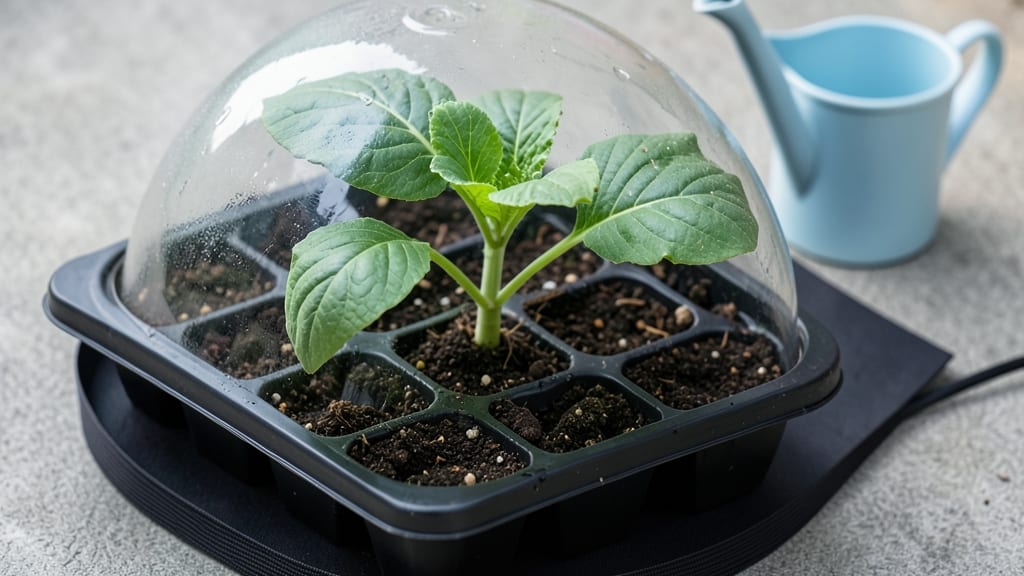
Starting cauliflower seeds indoors about 8 weeks before your last frost date is the key to avoiding leggy seedlings and bolting before harvest—especially in Zone 6a where my garden thrives.
Picture this: you’ve got a warm windowsill, your seed tray is ready, and you’re itching to plant—but if you start too early, those seedlings will stretch toward the light like teenagers reaching for the cookie jar.
Too late, and you’ll miss the sweet spot for transplanting just as the soil warms. The difference between a bountiful harvest and a sad, stunted plant? Timing.
Cauliflower 🥬 needs a head start, but not too much. In most regions, that means kicking off seeds in February or early March for a June harvest—just in time to enjoy those creamy curds before summer heat sets in.
Whether you’re in a cooler climate or a warmer one, the 8-week rule keeps things consistent.
Below, I’ll break down the exact start dates by zone, how to adjust for your local frost dates, and the step-by-step timeline to get your seedlings ready for the garden. No guesswork, just a foolproof plan for healthy, productive plants.
Best indoor start dates for cauliflower seeds by USDA planting Zone
Getting your cauliflower seeds off to the right start indoors means timing them perfectly to your USDA zone and last frost date. Cauliflower thrives when transplanted outdoors at 4-6 weeks old, so an 8-week indoor schedule ensures robust seedlings ready for the garden.
In colder zones (3-5), you’ll start earlier to beat short growing seasons, while warmer climates (8-10) need staggered plantings to avoid summer bolting.
Your indoor start date hinges on two key factors: your average last frost date and the 8-week pre-transplant rule. For example, if your last frost is May 15, count backward 8 weeks to land on March 15 as your ideal start window.
Southern gardeners must also account for heat stress, which can trigger premature flowering.
| USDA Zone | Last Frost Date | Indoor Start Window | Transplant Window | Notes |
|---|---|---|---|---|
| Zones 3-4 | Mid-May | Early March | Late April | Use row covers for early starts |
| Zones 5-6 | Early May | Mid-February | Late April | Start second batch in July for fall harvest |
| Zones 7-8 | Mid-April | Early January | Late February | Avoid summer heat; use shade cloth |
| Zones 9-10 | Late February | November-December | January-February | Plant in partial shade; harvest before summer |
In Zones 3-4, where growing seasons are short, I recommend starting seeds no later than early March to ensure mature heads before frost. Use grow lights to supplement weak winter sunlight, as natural light can be insufficient.
For Zones 5-6, split your planting into two batches: the first in mid-February for spring harvests and a second in July for fall crops.
Gardeners in Zones 7-8 face a different challenge: heat stress. Starting seeds in early January lets you transplant by late February, avoiding the scorching summer months. If you attempt summer plantings, use shade cloth and drip irrigation to keep soil consistently moist.
In Zones 9-10, cauliflower bolts quickly in heat, so I start seeds in November-December for early spring harvests.
Pro tip: Verify your last frost date using your local cooperative extension service—microclimates can shift start dates by 2-3 weeks. For example, urban areas may experience urban heat islands, delaying frost.
Adjust your timeline accordingly, and always harden off seedlings for 7-10 days before transplanting to prevent shock.
For late-summer bolting prevention, southern gardeners should avoid planting after June 1st. Instead, opt for heat-tolerant varieties like 'Snowball Y Improved' or 'Cheddar' and provide afternoon shade.
If you notice seedlings stretching toward light (a sign of etiolation), move them closer to your grow lights or supplement with a reflective surface.
Remember, cauliflower seedlings need cool temperatures (60-65°F) to thrive. If your home exceeds 75°F, consider using a seedling heat mat for consistent germination. Once seedlings sprout, maintain 12-14 hours of light daily to prevent leggy growth.
With the right timing, you’ll enjoy firm, compact heads ready for harvest in 75-100 days.
Start your cauliflower seeds at the right time, and you’ll reward yourself with a bountiful harvest—no matter your zone! 🥬
Critical factors that affect your cauliflower seed starting timeline
Your cauliflower seed starting timeline isn't set in stone—it shifts based on local climate, urban heat islands, and even temperature swings. In rural areas, cooler nights may let you start seeds 2 weeks earlier than city gardeners facing concrete heat retention.
Meanwhile, seedling maturity rates vary by variety, with some hybrids ready in 60 days while heirlooms need 90+ days to form heads.
Microclimates play a huge role too. A south-facing window in Zone 5 might mimic Zone 7's warmth, while a north-facing basement could delay germination by 1-2 weeks. Even row covers or cold frames can extend your transplant window by 3-4 weeks in marginal climates.
These factors mean your "ideal" start date might need a ±2-week adjustment from the standard 8-week rule.
Here’s how to balance these variables for perfect timing:
Adjusting Your Cauliflower Seed Start Timeline
Pros of Early Starts
- Longer harvest window in short seasons
- Head start against pests and diseases
- Better transplant shock recovery
Cons of Early Starts
- Leggy seedlings from insufficient light
- Overcrowding if germination is slow
- Higher risk of damping-off
Pros of Late Starts
- Stronger seedlings from cooler temps
- Less competition for resources
- Better suited for warm climates
Cons of Late Starts
- Shorter growing season before frost
- Smaller heads from rushed growth
- Higher bolting risk in heat
Key Adjustment Tip: Use row covers to extend transplant windows by 3-4 weeks in cool zones.
For urban gardeners, I recommend starting seeds 2 weeks later than rural guides suggest due to heat retention from pavement. Test your microclimate by monitoring nighttime temperatures—if they stay above 50°F, you can push your start date 1 week earlier.
In Zone 4, this might mean starting seeds in late February instead of mid-February.
If you’re using a cold frame, adjust your timeline by adding 2-3 weeks to your transplant window. For example, in Zone 6, a cold frame could let you transplant late April instead of mid-April.
Always harden off seedlings for 7-10 days before moving them outdoors, regardless of your adjusted timeline.
Pro tip: Track your local frost dates for 3 years to identify patterns. In Zone 7, I’ve seen last frost dates vary from April 10 to April 25—this 2-week swing directly impacts when I start seeds indoors. Use this data to fine-tune your schedule each year.
Remember, cauliflower thrives in cool weather—aim for 60-70°F days and 50-55°F nights. If your indoor temps exceed 75°F, your seedlings will bolt prematurely. A simple seedling heat mat can help regulate soil temps for consistent germination.