
Planting
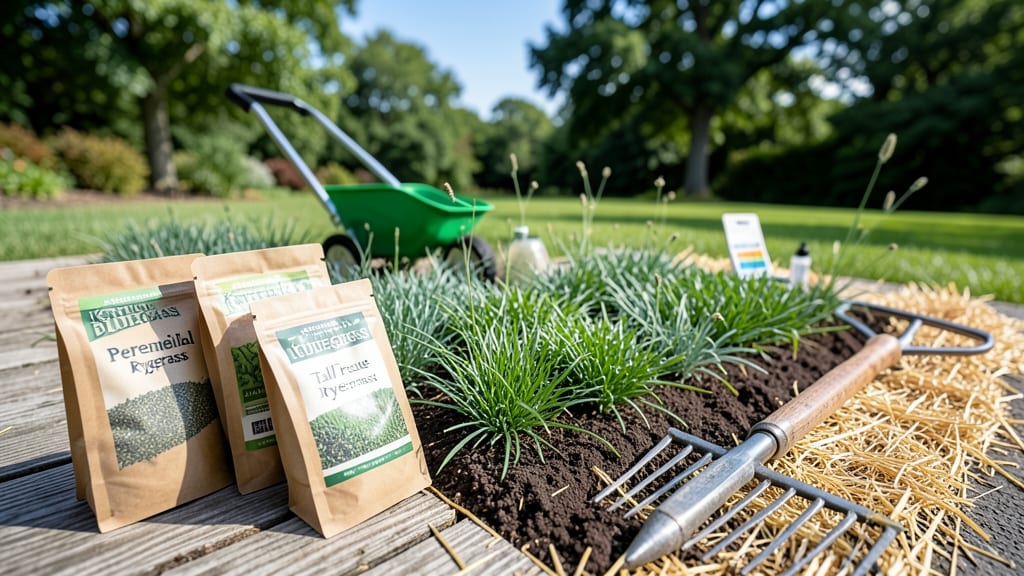
Planting grass seed in Iowa at the right time is the difference between a lush lawn and a patchy disappointment—cool-season grasses like Kentucky bluegrass and tall fescue thrive when seeded in early spring or late summer.
Iowa’s unpredictable spring and fall weather can make grass seeding a high-stakes gamble—plant too early, and frost kills your efforts; too late, and weeds take over. But timing it right guarantees a weed-resistant lawn that lasts all season.
Most experts agree that late summer to early fall (August through October) is the best window for Iowa’s USDA Zone 5a, when soil stays warm enough for germination but nights cool down to slow weed growth.
Early spring (March to April) also works, but you’ll need to watch for late frosts.
In this guide, I’ll break down the exact week-by-week schedule for your zone, soil prep secrets to avoid common mistakes, and how to keep your new 🌱 grass thriving once it’s in the ground.
Iowa grass planting zones: exact week-by-week timeline for cool-season grasses
Iowa’s cool-season grasses like Kentucky Bluegrass and Tall Fescue thrive when planted during late summer/early fall, but the exact timing varies across Iowa’s 5 distinct microclimates.
Northern regions (Zone 4a) have earlier frost dates than southern areas (Zone 5a), so I’ve broken down the ideal planting windows week-by-week to help you avoid frost damage and weed competition.
For all zones, aim for soil temperatures between 50°F and 65°F—this ensures strong germination before winter dormancy. If you plant too early, seeds may dry out; too late, and weeds steal nutrients.
My week-by-week schedule accounts for Iowa’s average first frost dates, which range from October 1-15 depending on location.
Below is a comparison table of Iowa’s planting zones, including frost risk dates, ideal soil temps, and recommended grass varieties for each microclimate. Use this as your guide to lock in the best 4-6 week window for seeding before winter sets in.
For Zone 4a (northwest Iowa), start seeding by August 25 to ensure roots establish before the early October frost. Tall Fescue and Perennial Ryegrass are your best bets—they germinate quickly in cooler temps and handle Iowa’s heavy clay soils better than Kentucky Bluegrass.
In Zone 5a (central/southern Iowa), you’ve got a longer window (Sept 5-Oct 5), but don’t wait past mid-October—weeds like crabgrass will outcompete your grass if seeds don’t germinate fast enough. Buffalo Grass is a drought-tolerant option for southwest Iowa, while Kentucky Bluegrass thrives in the southeast’s slightly warmer microclimate.
Pro tip: Check soil temps with a soil thermometer (available at garden centers for ~$10). If temps drop below 50°F, delay planting until conditions stabilize. Morning soil temps are more reliable than afternoon readings for this purpose.
After seeding, water deeply twice daily for the first 2 weeks to keep soil consistently moist. Reduce to 1 inch per week once germination begins (usually 7-14 days after planting). Avoid overwatering, which can lead to fungal diseases like dollar spot—a common issue in Iowa’s humid summers.
For overseeding existing lawns, follow the same timeline but use a light layer of compost
How to prepare Iowa soil for grass seed: critical steps before planting
Iowa’s heavy clay soils and unpredictable weather demand careful preparation before seeding grass. Without proper prep, seeds struggle to germinate, leaving you with patchy lawns or weed invasions. The key? Testing soil pH, controlling weeds, and improving drainage—all before the first frost risk arrives.
Let’s break this down into actionable steps tailored to Iowa’s unique conditions.
First, focus on soil pH testing—your grass seed’s success hinges on this. Iowa’s native soils often skew acidic (below 6.0), but most cool-season grasses (like Kentucky bluegrass and tall fescue) thrive in a neutral range (6.0–7.0).
Grab a soil test kit from your local garden center or send a sample to Iowa State University’s Soil Testing Lab for precise results. Adjust with lime (to raise pH) or sulfur (to lower pH) 4–6 weeks before planting.
- 🔹 Test Soil pH (6.0–7.0 ideal) – Use a kit or lab test
- 🔹 Remove Weeds – Hand-pull or spray with glyphosate (2 weeks before seeding)
- 🔹 Tillage Depth – Loosen soil 3–4 inches deep (break up clay clumps)
- 🔹 Add Organic Matter – Mix in 2–3 inches of compost or aged manure
- 🔹 Level the Soil – Rake smooth to prevent low spots (water pools there)
Next, tackle weed control—Iowa’s clover and crabgrass are aggressive competitors. Apply a non-residual herbicide (like glyphosate) 2 weeks before seeding to kill existing weeds without harming your new grass.
For stubborn clay soils, consider a pre-emergent herbicide after planting to block weeds while allowing grass to establish. Just avoid post-emergent options until your lawn is fully grown.
Iowa’s clay-heavy soils can suffocate grass roots if not amended properly. Work in 2–3 inches of compost or a 50/50 mix of topsoil and compost to improve drainage and aeration. For compacted areas, rent a core aerator to create holes for roots to penetrate.
After amending, rake the soil smooth to eliminate low spots where water would pool—standing water drowns seeds.
Finally, time your tillage wisely. Avoid working wet clay soil—it turns to mud and clumps. Instead, till when the soil is dry enough to crumble but moist enough to work.
For fall seeding (ideal in Iowa), aim to finish soil prep by late August to give seeds time to germinate before the first frost. If seeding in spring, prep in March when soil temperatures rise above 50°F.
With these steps, your Iowa soil will be ready to support a thick, resilient lawn. Remember: patience is key—proper prep now means fewer headaches (and fewer weeds) later. Happy planting! 🌱