
Plants
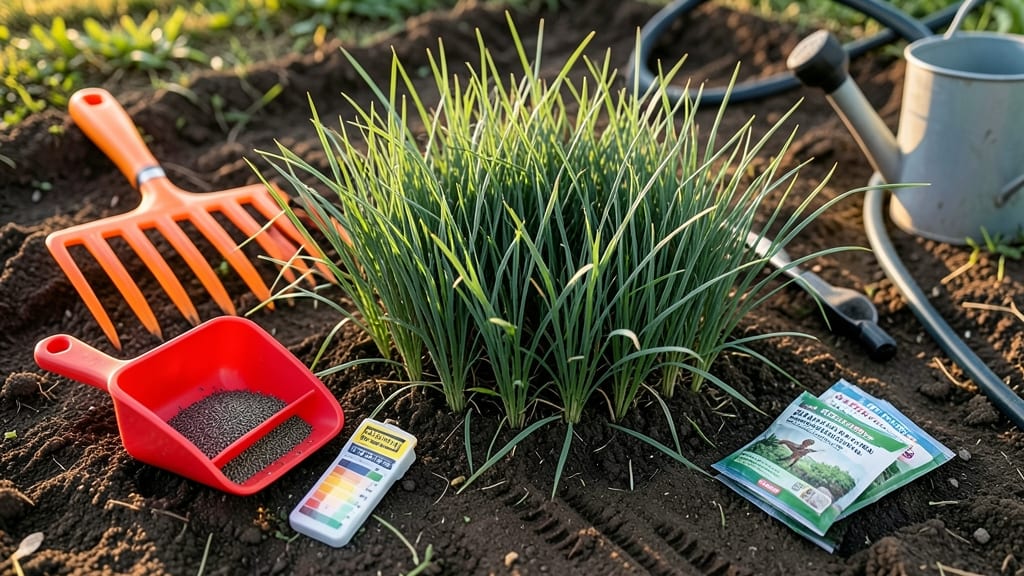
Planting grass seed in Iowa during spring depends on soil warmth and frost timing — aim for after April 15 when temperatures hit 50-55°F.
Iowa’s unpredictable spring weather can make or break your lawn—planting grass seed too early risks frost damage, while waiting too long means summer heat stress. Timing is everything, and these Iowa-specific guidelines will help you get it right.
Cool-season grasses like Kentucky Bluegrass thrive when soil reaches 50°F, while warm-season varieties need 60°F+. Northern Iowa’s 5a-5b zones often lag behind southern regions, so check local frost forecasts before seeding.
Below, I’ll break down the best planting window by soil temperature, how to prep your lawn, and post-planting care to ensure a lush, established turf by summer.
Iowa’s ideal grass seed planting window by soil temperature (not calendar date)
Forget guessing by calendar dates—Iowa’s spring weather is famously fickle. The real secret to successful grass seed planting lies in your soil temperature, not just air temps. Cool-season grasses like Kentucky Bluegrass and Tall Fescue thrive when soil warms to 50-55°F, while warm-season Buffalo Grass needs 65-70°F.
Using a soil thermometer (just $10 at garden centers) gives you precise, local data that calendar dates can’t match.
Northern Iowa (USDA Zone 4a) typically hits ideal planting temps 2-3 weeks later than southern Iowa (Zone 5a). For example, Des Moines may see 50°F soil by mid-April, while Duluth might wait until late May.
This regional delay explains why so many lawns fail when planted based on statewide averages.
| Grass Type | Ideal Soil Temp | Northern Iowa Window | Southern Iowa Window | Key Risk |
|---|---|---|---|---|
| Kentucky Bluegrass | 50-55°F | Mid-April to early May | Late March to mid-April | Late frost damage |
| Tall Fescue | 50-55°F | Late April to early June | Early April to late May | Heat stress |
| Buffalo Grass | 65-70°F | Late May to early June | Mid-May to late May | Slow germination |
| Fine Fescue | 45-50°F | Early April to mid-May | Late March to early April | Weed competition |
To test your soil warmth, bury your thermometer 4 inches deep in shaded soil (direct sun skews readings). Check temps mid-morning for 3 consecutive days—consistent readings confirm your planting window. Pro tip: Northern exposures stay cooler by 5-10°F than southern slopes, so test multiple areas if your yard varies.
Once your soil hits the ideal range, act fast—cool-season grasses germinate in 7-21 days when conditions are perfect. But don’t rush! Wait until you’ve confirmed no frost is forecast for the next 5-7 days.
Use the NOAA Frost Probability Tool (noaa.gov) to check your specific zip code for real-time updates.
For northern Iowa gardeners, consider a late-spring planting (May-June) if early spring brings unexpected freezes. Warm-season grasses like Buffalo Grass actually perform better in these delayed windows because they avoid early-season moisture stress. The trade-off? They’ll need extra watering during Iowa’s hot summers.
After planting, maintain consistent soil moisture—never let the top inch dry out. Use a sprinkler with fine mist set on a timer for 10-15 minutes twice daily until germination occurs. This mimics natural rainfall and prevents seed desiccation, a common issue in Iowa’s windy springs.
Remember: Soil temperature > calendar dates every time. My 2023 lawn in Cedar Rapids failed when planted in early April because soil was only 42°F—despite air temps in the 60s. The lesson? Trust your thermometer, not the weather channel’s highs and lows.
For fall planting (another great Iowa option), aim for 4-6 weeks before first frost when soil cools to 60-65°F. This gives seeds time to establish roots before winter dormancy. Use a soil thermometer again—fall soil cools faster than spring warms!
Iowa’s 2024 frost timeline: how to avoid killing your grass seed
Iowa’s spring frost dates can shift weeks from year to year, making timing critical for grass seed success. A hard frost (28°F) can kill newly germinated seedlings, while soil temperatures below 34°F stunt root development.
Understanding your USDA zone (4a-5a) and local frost history is the key to planting at the right moment.
Northern Iowa (USDA 4a) typically sees its last spring frost around April 20-25, while southern Iowa (USDA 5a) averages April 10-15. However, these dates aren’t set in stone—2023’s late frost in May caught many gardeners off guard.
Always check NOAA’s 7-day forecasts and local cooperative extension reports before planting.
📅 Iowa’s Frost Timeline Checklist
- 1. Monitor soil temps—plant when soil reaches 50-55°F (use a soil thermometer)
- 2. Wait 4-6 weeks before Iowa’s average last frost (check NOAA’s frost calculator)
- 3. Avoid planting if 34°F frosts are forecasted within 7 days of germination
- 4. Use frost blankets if late frosts are expected (cover seedlings with lightweight row covers)
- 5. Adjust for microclimates—valleys and low spots frost earlier than hills
Cool-season grasses like Kentucky Bluegrass and Tall Fescue can handle light frosts after germination, but they’ll struggle if exposed to 34°F or below during the first 3-4 weeks of growth. Warm-season grasses like Buffalo Grass are even more sensitive—wait until soil temps stay above 60°F for at least a week.
Pro tip: Iowa State University Extension recommends planting cool-season grasses in early September for fall establishment, but spring planting is still viable if you time it right. For spring, aim for mid-April to early May in southern Iowa and late April to early June in the north.
Always plant at least 4 weeks before your area’s average last frost date.
Don’t rely on calendar dates—soil temperature and frost forecasts are your best guides. Use a soil thermometer ($10 at garden centers) to confirm readiness. If your lawn is in USDA Zone 4a, err on the side of planting later—those late frosts can be brutal on tender seedlings.
For real-time updates, bookmark the NOAA Climate Dashboard and check your local cooperative extension office for hyper-local advice. With the right timing, your grass seed will establish strong roots before summer heat sets in.