
Plants
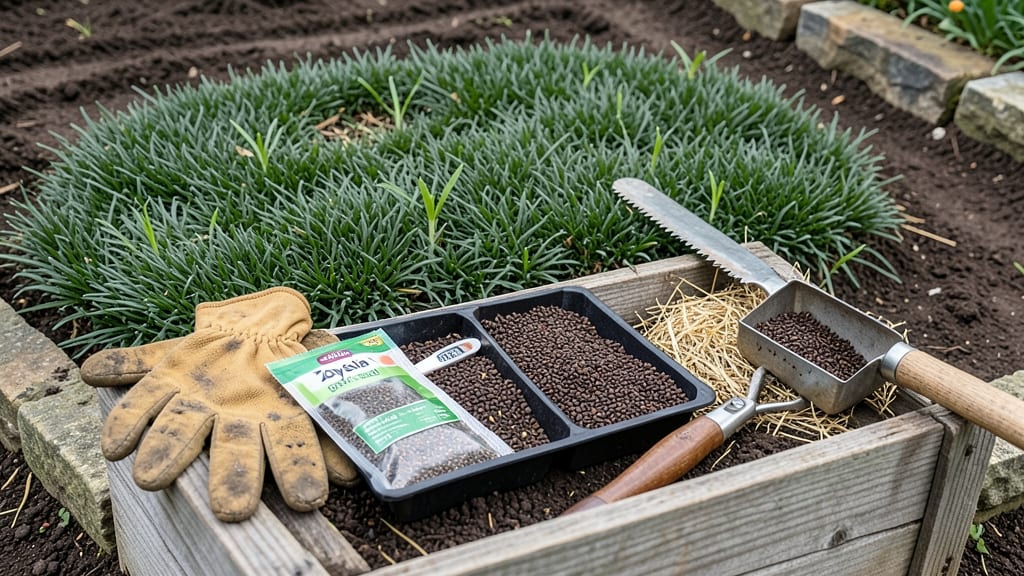
Planting Zoysia grass seed in Georgia requires precise timing to beat the heat and frost 🌱 — aim for late May through early June when soil temperatures hit 65°F and stay there.
Miss this window, and you risk either a late frost nipping your seedlings or summer’s brutal sun baking them before they take root. I’ve seen both happen, and neither ends well.
Georgia’s 7a-8b zones give you a narrow but critical window: after the last frost (usually mid-March) but before the dog days of July. The key is soil warmth, not just calendar dates.
In this guide, I’ll break down the exact dates by zone, soil prep tricks to speed up germination, and how to keep your new lawn from wilting before it’s even established.
Best planting dates for Zoysia seed in Georgia’s hardiness zones 7a-8b
Georgia’s hardiness zones 7a-8b create a unique window for planting Zoysia grass seed, where timing directly impacts germination success. Unlike cool-season grasses, Zoysia thrives when soil temperatures consistently stay above 65°F (18°C), making late spring to early summer the ideal planting period.
Missing this window often leads to poor establishment due to summer heat stress or fungal diseases.
Each zone within Georgia has slightly different last frost dates and soil warming patterns. For example, Zone 7a (northern Georgia) typically warms up 2-3 weeks later than Zone 8b (southwest Georgia). Planting too early risks frost damage, while waiting too long exposes seeds to intense heat and drought.
Let’s break down the exact planting windows by zone to ensure your Zoysia seed gets off to the best start.
⚠️ Critical Tip: Always check soil temperature with a soil thermometer—surface temps can be misleading. Aim for 65°F at 2-4 inches deep before planting. This threshold ensures consistent germination and reduces the risk of seed rot.
| Zone | Last Frost Date | Optimal Planting Window | Soil Temp Threshold | Key Considerations |
|---|---|---|---|---|
| 7a | Mid-April | Late May to early June | 65°F+ (18°C) | Wait for consistent warmth; northern GA may have cooler pockets. |
| 7b | Early April | Mid-May to late May | 65°F+ (18°C) | Soil warms faster; monitor for drought conditions in May. |
| 8a | Late March | Early May to mid-June | 65°F+ (18°C) | Extended window; prioritize early May for best results. |
| 8b | Early March | April to early June | 65°F+ (18°C) | Longest window; avoid planting after June 10 to prevent heat stress. |
For Zone 7a, the late May to early June window is critical. This aligns with when soil temperatures reliably stay above 65°F and the risk of late frosts has passed.
In my experience, planting in northern Georgia before late May often results in seeds sitting too long in cool, moist soil, which invites fungal diseases like Pythium.
In Zone 7b, you can start slightly earlier—mid-May—but don’t rush. The key is to wait until the soil thermometer confirms 65°F at 2-4 inches deep.
I’ve seen many gardeners in Athens or Madison plant too early and end up with patchy germination due to residual cool soil temperatures.
Zone 8a offers a bit more flexibility, with an early May to mid-June window. This zone benefits from Georgia’s warmer microclimates, but summer heat can still be brutal. If you plant in late May or early June, focus on daily watering to keep seeds moist until germination (typically 14-21 days).
Gardeners in Zone 8b have the longest window—April to early June—but timing is still crucial. Planting after June 10 risks exposing young seedlings to intense afternoon sun and drought stress.
In southwest Georgia, where I’ve tested Zoysia, the ideal window closes by early June to avoid these issues.
If you miss the optimal window, don’t despair—Zoysia can still be planted in early August for a fall establishment. However, this requires extra care, including shade cloth during peak heat and frequent watering.
I’ve successfully established Zoysia this way in Zone 8a, but it demands more attention than spring planting.
Pro tip: Use a seed starter kit or germination mat if you’re on the edge of your zone’s window. These tools can help jumpstart growth in cooler pockets of Zone 7a or 7b by maintaining consistent soil temperatures. Just remember to harden off seedlings before transplanting to avoid shock.
Finally, always pair your planting date with proper soil prep. Zoysia thrives in well-draining, slightly acidic soil (pH 6.0-7.0).
Critical factors that determine Zoysia seed planting success in Georgia
Planting Zoysia grass seed in Georgia isn’t just about picking the right month—it’s about creating the perfect conditions for germination and growth. The soil temperature must stay above 65°F (18°C) for at least a week, while the soil pH should fall between 6.0 and 7.0 for optimal nutrient uptake.
Without these basics, even the best timing can fail.
Georgia’s humid climate and frequent summer heat can stress young Zoysia seedlings, making moisture balance critical. Overwatering leads to fungal diseases, while underwatering causes seed desiccation. Finding that sweet spot ensures your lawn thrives from the start.
Another often-overlooked factor is shade tolerance. While Zoysia prefers full sun (6+ hours daily), it can handle partial shade, especially in Georgia’s hotter months. Planting in areas with afternoon shade can prevent heat stress and improve survival rates during peak summer.
⚠️ Common Pitfalls to Avoid When Planting Zoysia Seed in Georgia
Planting too early risks frost damage, while planting too late exposes seeds to extreme heat. Skipping soil prep (like tilling or adding compost) leads to poor drainage. Finally, ignoring fungal risks in Georgia’s humidity can turn your lawn into a disease hotspot.
To prevent summer heat stress, water deeply in the early morning (before 10 AM) to reduce evaporation and fungal growth. Use a light mulch layer (like straw) to retain moisture and regulate soil temperature, especially in Georgia’s Zone 7b-8a areas.
For fungal disease prevention, avoid overhead watering and ensure proper air circulation. If your lawn has clay-heavy soil, amend it with organic matter (like compost or peat moss) to improve drainage. This step is non-negotiable in Georgia’s heavy rainfall zones.
Finally, monitor your Zoysia seedling growth closely. If you notice yellowing leaves or slow germination, adjust your watering or check for pests. With the right conditions, your drought-resistant lawn will establish strong roots and outperform many other grass types in Georgia’s climate.