
Plants
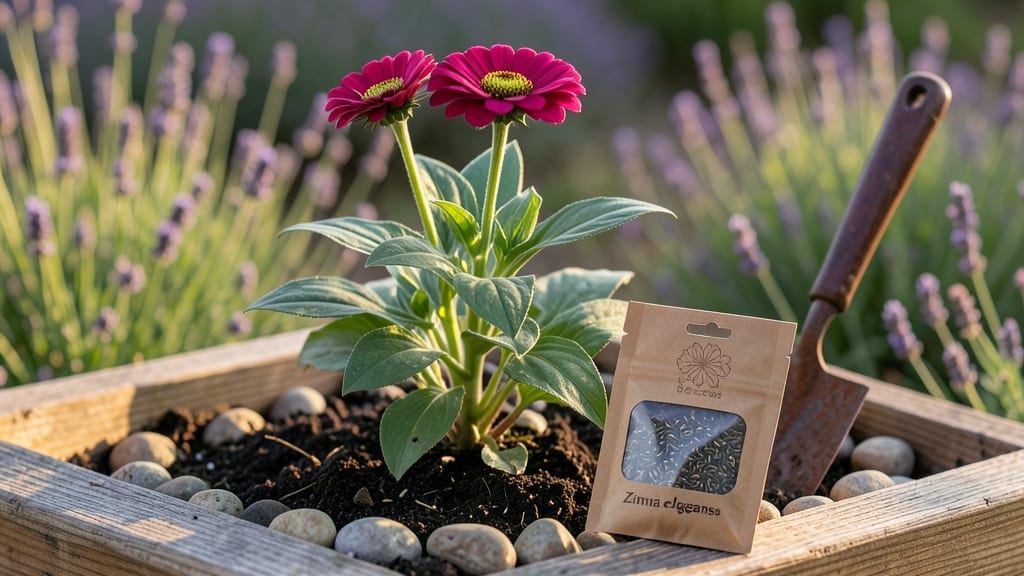
To plant zinnia seeds in Missouri after your last frost date—typically late April—is the key to vibrant summer blooms 🌼.
Missouri gardeners know timing is everything—plant too early, and frost will kill them; too late, and you’ll miss those show-stopping summer blooms. The right window ensures your zinnias thrive from July through October, giving you months of color.
In zones 5b-7a, soil temperatures must hit 60°F before sowing, which usually aligns with mid-April in southern Missouri and early May in the north. I’ll break down the exact schedule for your region, plus pro tips to avoid common mistakes.
You’ll learn how to prep your soil, time your plantings for continuous blooms, and keep zinnias flourishing even through Missouri’s humidity and heat. Let’s get those seeds in the ground the right way!
Best planting months for zinnia seeds in Missouri by hardiness zone
Missouri’s USDA hardiness zones 5b-7a create distinct planting windows for zinnias, where timing can mean the difference between frost-killed seedlings and vibrant summer blooms. Zinnias thrive in warm soil, so soil temperature (not just air temperature) is your best guide.
In northern Missouri (zones 5b-6a), like St. Louis, wait until mid-April to early May after the last frost, while southern Missouri (zone 7a), including Kansas City, can start as early as late March in sheltered microclimates.
Zinnia seeds need consistent warmth to germinate—aim for soil temperatures above 60°F. Use a soil thermometer to check; if it’s cooler, delay planting or use row covers to protect young plants. In Missouri’s humid summers, early planting also helps zinnias establish roots before heat stress sets in.
Pro tip: Direct-sow seeds (don’t start indoors) for hardier, faster-growing plants that handle Missouri’s unpredictable spring weather.
Last frost dates vary widely across Missouri. St. Louis (zone 6a) averages its last frost around April 15, while Kansas City (zone 6b) sees frost-free conditions by April 10. Southeast Missouri (zone 7a) can be frost-free as early as March 20. Always check the Missouri State Climatologist’s frost data for your specific county, as microclimates near rivers or hills can shift frost dates by 1-2 weeks.
Here’s your zone-specific planting schedule, including soil temp thresholds and frost-free averages for Missouri’s major regions:
For extended blooms, make a second planting in late June for fall color. Zinnias in Missouri’s heat can bolt (go to seed) quickly, so deadhead spent blooms and choose heat-tolerant varieties like ‘Benary’s Giant’ or ‘Profusion’ for longer displays.
Avoid planting zinnias in low-lying areas where cold air pools, as these zones can have late spring frosts even after official frost dates.
Missouri’s humidity and summer heat can stress zinnias if planted too late. Seedlings sown after June 1 may struggle to establish before intense heat sets in, leading to leggy, weak plants.
Instead, opt for succession planting: sow small batches every 2 weeks from April through June to ensure continuous blooms. This works especially well in container gardens, where you can move pots to shadier spots during peak afternoon heat.
Test your soil’s drainage and pH before planting. Zinnias prefer slightly acidic to neutral soil (pH 6.0–7.0), and well-draining soil prevents root rot in Missouri’s clay-heavy soils. Amend heavy clay with compost or sand to improve aeration.
In urban gardens, raised beds warm up faster in spring, giving you a 2-week head start on planting compared to in-ground beds.
If you’re starting zinnias indoors (not recommended for Missouri’s short season), begin seeds 6–8 weeks before your last frost date. However, direct-sowing outdoors is easier and yields hardier plants.
Harden off seedlings for 5–7 days before transplanting, especially if moving from a protected indoor environment to Missouri’s windy spring conditions. Use mulch after planting to retain soil moisture and regulate temperature.
Remember: Missouri’s weather is unpredictable. Always have frost cloth on hand for late spring frosts, and monitor
How to extend zinnia blooms: staggered planting and successive sowing
Missouri’s summer heat and humidity can turn zinnias into one-season wonders if you don’t plan ahead. The secret? Staggered planting and successive sowing—two simple strategies to keep your garden bursting with color from July through October.
I’ve used these methods for years to avoid the dreaded "zinnia slump" after the first flush of blooms.
Start by choosing heat-tolerant varieties like Benary’s Giant or Profusion, which thrive in Missouri’s 90°F+ temperatures. These types handle our late-summer humidity better than delicate hybrids. Pair them with dwarf zinnias like Crystal for container gardens or border edges, where they won’t flop in storms.
- 📅 First Planting: April 15–May 1 (after last frost, when soil hits 60°F)
- 📅 Second Planting: May 15–June 1 (for late-summer blooms before frost)
- 📅 Third Planting (Optional): July 1–July 15 (for fall color before first frost)
- 💡 Pro Tip: Space plantings 3–4 weeks apart to overlap blooming cycles
Here’s how I time it: My first batch goes in early May when soil warms, giving them 8–10 weeks to mature before July heat peaks. The second planting in mid-June takes over as the first batch starts fading, and the optional July sowing ensures September–October color when other flowers quit.
For continuous blooms, deadhead spent flowers daily—this tricks zinnias into focusing energy on new buds instead of seed production. I also mulch heavily with straw to keep roots cool and retain moisture during Missouri’s drought spells.
A light feeding of 5-10-10 fertilizer every 4–6 weeks keeps them vigorous without encouraging leafy growth over flowers.
Missouri’s humidity can invite powdery mildew, so I avoid overhead watering. Instead, I water at soil level in the early morning to let foliage dry before evening. Dwarf varieties like Thumbelina stay compact and resist wind damage better than tall zinnias in our summer storms.
By late September, even my third planting will start slowing down as days shorten. But if you protect them with row covers on cold nights, you can eke out another 2–3 weeks of blooms—perfect for fall wreaths or dried arrangements.
The key is starting early and planting in waves so you’re never left with a bare garden.