
Planting
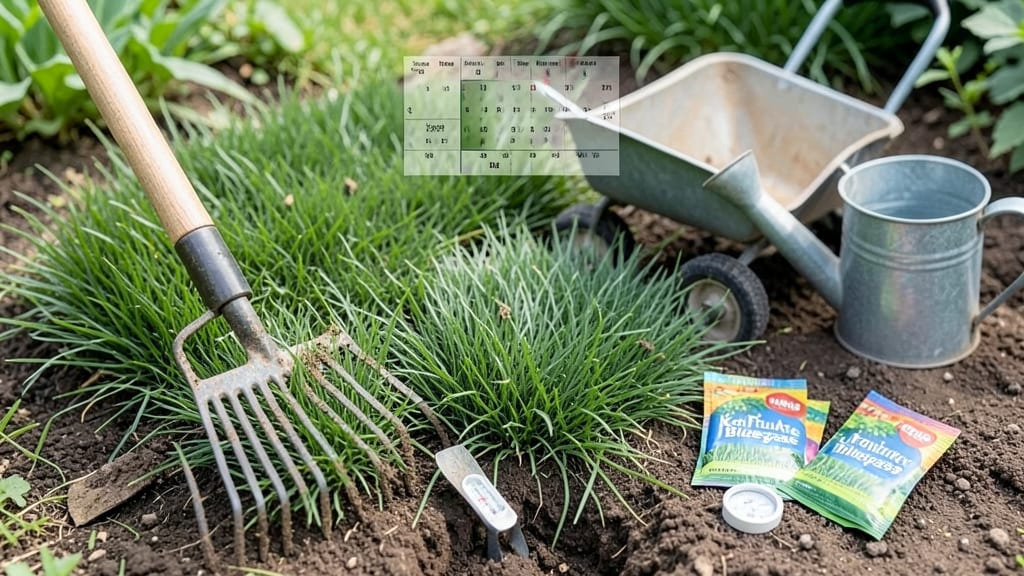
Planting grass seed in Missouri at the right time means the difference between a lush lawn and a patchy disappointment—soil temperatures below 50°F or above 65°F can stall germination, no matter how much you water.
Missouri’s unpredictable spring weather can turn your grass-seeding plans into a gamble unless you know the exact soil temperature triggers and frost-free deadlines by zone. Plant too early, and frost will kill your seedlings; too late, and summer heat will stress them before they establish.
Cool-season grasses like fescue and bluegrass thrive when planted in early spring (March–April) or early fall (September–October), while warm-season types like Bermuda need the heat of late spring. Here’s how to time it perfectly for Missouri’s unique climate.
Below, I’ll break down the ideal planting windows by USDA zone, soil prep tips for Missouri’s clay-heavy soil, and a 5-step checklist to avoid common pitfalls like drought stress or weed competition.
Missouri grass planting timeline: soil temperature & frost deadlines by zone
Timing your grass seed planting in Missouri isn’t just about avoiding frost—it’s about catching the perfect soil temperature window of 50–65°F for cool-season grasses like tall fescue and Kentucky bluegrass. This range ensures strong germination before summer heat sets in.
In Missouri’s 11 USDA zones (5b–7a), even a few degrees difference can mean the difference between a lush lawn and wasted seed.
Most Missouri gardeners focus on two ideal planting windows: early spring (after the last frost) and early fall (4–6 weeks before the first frost). However, your exact timing depends on whether you’re in northern Missouri (zones 5b–6a) or southern Missouri (zones 6b–7a).
Urban areas like St. Louis may experience microclimates with earlier frost dates than rural farmland, so always check local records.
Here’s your zone-by-zone breakdown of soil temperature triggers, frost deadlines, and the best months to plant for maximum success. Use this as your guide to avoid the two biggest mistakes: planting too early (frost damage) or too late (summer stress).
For northern Missouri (zones 5b–6a), aim to plant cool-season grasses like tall fescue in early spring (after April 15) or early fall (before September 30). These areas have the earliest frost risks, so wait until the soil warms to at least 50°F—use a soil thermometer to confirm.
In St. Louis (zone 6b), you’ve got a slightly longer window, but don’t delay past May 15 or you’ll risk summer drought stress.
Southern Missouri (zones 6b–7a) can push the envelope further. If you’re planting warm-season grasses like Bermuda or zoysia, wait until the soil hits 65°F (typically late April–May). For cool-season grasses, September–October is your best bet—planting in early fall gives seedlings time to establish roots before winter dormancy.
Pro tip: In urban areas, asphalt and concrete can create heat islands, delaying frost. Adjust your timeline 1–2 weeks later than rural guidelines.
Missouri’s transition zone (zones 6a–7a) adds complexity. If you’re in central or western Missouri, consider late summer planting (August) for cool-season grasses. The key is to ensure 4–6 weeks of warm soil before the first frost.
For example, in Columbia (zone 6b), planting in mid-September gives you enough time for germination before temperatures drop. Always check your local Missouri Climate Center data for the most accurate frost dates—these can vary by 7–10 days from the averages listed above.
One common mistake is relying on calendar dates instead of soil temperature. A chilly April morning might feel like frost season, but if your soil is 55°F, it’s safe to plant. Use a soil thermometer (available for under $15) to avoid guesswork.
For renters or urban gardeners, consider container grass—it gives you flexibility to move pots to sheltered spots if frost threatens. Just ensure your containers have drainage holes to prevent root rot during Missouri’s unpredictable spring rains.
Finally, don’t overlook microclimates. A south-facing slope in St. Louis might warm up 2–3 weeks earlier than a shaded backyard in Kansas City. Observe your yard’s behavior: Do leaves unfurl on trees earlier than your neighbors’?
That’s your cue to adjust your planting timeline. With the right timing, you’ll have a thick, weed-resistant lawn by summer—no more bare patches or crabgrass takeover.
🌱
Cool-season vs. warm-season grasses: which Missouri lawns need early vs. late planting?
Missouri’s transition zone climate (USDA zones 6a–7a) creates a unique challenge for lawns—deciding between cool-season and warm-season grasses. Cool-season types like Kentucky bluegrass and tall fescue thrive in spring and fall, while warm-season grasses such as Bermuda and zoysia prefer late spring to summer.
The wrong choice can mean thin lawns or high maintenance.
Cool-season grasses establish best when soil temps are 50–65°F, making early spring (March–April) and late summer (August–September) ideal. Warm-season grasses, however, need 65–75°F soil temps, so they’re planted after Memorial Day when summer heat settles in.
Missouri’s unpredictable frost dates (as late as May in northern zones) add another layer of complexity.
🌱 Pros & Cons: Cool-Season vs. Warm-Season Grasses in Missouri
Cool-Season Grasses
Pros
- Early greening in spring
- Better shade tolerance (60–80%)
- Drought recovery after summer
Cons
- Goes dormant in summer heat
- Higher water needs during establishment
- Thin in full sun without care
Warm-Season Grasses
Pros
- Heat & drought tolerant (summer stays green)
- Lower maintenance once established
- Faster spread via stolons/rhizomes
Cons
- Browns in winter (dormant)
- Poor shade tolerance (<50%)
- Slower spring recovery
For Missouri’s transition zone, Kentucky bluegrass and tall fescue dominate cool-season lawns due to their disease resistance and traffic tolerance.
Plant them in late summer (August–September) to avoid summer stress and winter freeze. Annual ryegrass is often mixed in for quick germination but should be overseeded in fall.
Warm-season options like Bermuda and zoysia excel in southern Missouri (zone 7a) but struggle in northern zones (6a) due to winter kill. Buffalograss, a native drought-tolerant choice, thrives with minimal water but needs 6+ hours of sun.
If you’re in zone 6a, stick to cool-season blends unless you’re willing to protect warm-season grasses with winter mulch.
My top recommendation for Missouri? A cool-season base (tall fescue + Kentucky bluegrass) with a warm-season overseeding (Bermuda or zoysia) in southern exposures. This hybrid approach gives you year-round green while adapting to Missouri’s climate swings.
Just time your warm-season planting for after June 1 to avoid late frost damage.
Need a low-maintenance lawn? Try tall fescue—it’s shade-tolerant, drought-resistant, and stays green longer than Kentucky bluegrass. For high-traffic areas, Bermuda is unbeatable once established, but plant it late (after Memorial Day) to avoid frost.