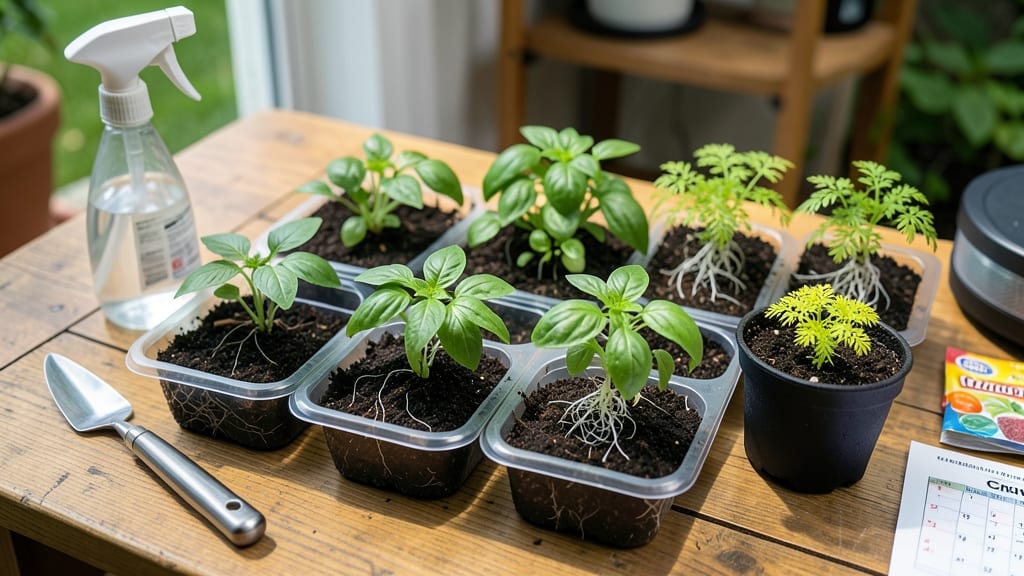
Planting seed starters at the right time ensures they grow strong enough to handle transplanting without shock—6 to 8 weeks before your last frost is the golden window for most gardeners in Zone 6a.
Timing is everything in gardening—plant your seed starters too early, and they’ll outgrow their containers; too late, and your plants won’t thrive in the cooler soil. Mastering the perfect transplant window ensures stronger, hardier plants that yield bigger harvests.
Whether you’re starting 🌱 tomatoes or delicate herbs, understanding your local frost dates and plant growth cycles is key. In Zone 6a, that means kicking off indoor starts in early March for a late-April transplant, but adjustments are needed for faster growers like lettuce or slower ones like peppers.
Below, I’ll break down the exact timing for your zone, how to tell when seedlings are ready, and the 3 biggest mistakes that weaken transplants. No more guesswork—just stronger plants and a smoother growing season.
🌱When to Plant Seed Starters Starters
Jan❄️
Feb❄️
Mar🌱
Apr🌱
May🌱
Jun🌱
Jul🌱
Aug☀️
Sep🍂
Oct🍂
Nov🍂
Dec❄️
Ideal Time
Also Good
Seed starter planting schedule by US hardiness Zones (with exact dates)
Getting your seed starters right means understanding your USDA hardiness zone and local last frost dates. I’ve planted seedlings for years and learned that timing varies dramatically—from Zone 3’s chilly winters to Zone 10’s mild climate.
The key is balancing indoor seed-starting time with outdoor soil conditions to avoid root-bound seedlings or frost damage.
Most gardeners start seeds indoors 6-8 weeks before their last frost date. But this changes depending on your zone and the plant type. For example, cool-season crops like lettuce can handle earlier planting, while warm-season plants like tomatoes need warmer soil.
Below, I’ve mapped out exact planting windows for Zones 3-10, including soil temperature thresholds and transplant dates.
Zone
Last Frost Date
Start Indoors
Soil Temp Threshold
Transplant Window
3
May 15
March 15–April 1
50°F+
May 1–May 15
4
May 1
March 1–March 15
55°F+
April 25–May 10
5
April 15
February 15–March 1
60°F+
April 1–April 15
6
April 1
January 31–February 15
60°F+
March 15–March 30
7
March 15
January 15–February 1
65°F+
March 1–March 15
8
February 28
December 15–January 15
65°F+
February 15–March 1
9
February 15
November 15–December 15
70°F+
January 15–February 1
10
January 1
October 15–November 15
70°F+
December 15–January 15
⚠️ Note: Adjust dates for warm-season plants (tomatoes, peppers) by 2-4 weeks later
How to adjust planting times for fast-growing vs. slow-growing seed starters
Not all seed starters follow the same schedule—some plants like lettuce and radishes grow so quickly they need early starts, while others like tomatoes and peppers thrive when planted later. The key is matching your plant's growth speed to your last frost date and soil warmth.
Fast growers bolt in heat, while slow growers need warm soil to establish roots.
For cool-season crops, I start seeds indoors 6-8 weeks before the last frost. These include leafy greens and root vegetables that mature in 30-60 days.
Meanwhile, warm-season crops like tomatoes and peppers can wait until 4-6 weeks before the last frost because they need warmer soil temperatures to thrive.