
Plants
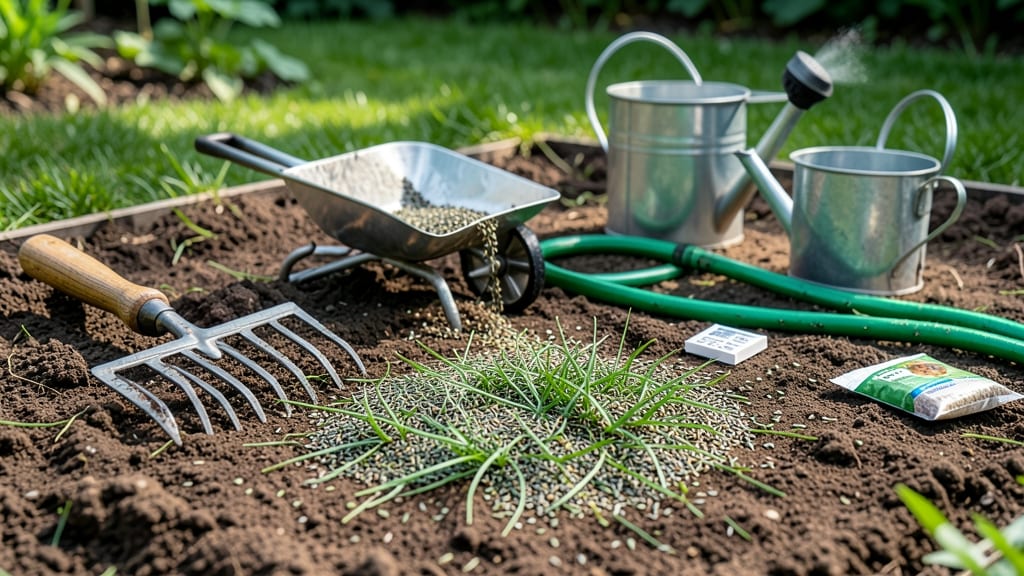
The best time to plant grass seed in spring is 4-6 weeks before your last frost date—a window that balances soil warmth and moisture for strong germination.
If you wait too late, summer heat will dry out the soil before the grass takes hold. Plant too early, and a late frost can wipe out your progress. For Zone 6a, that means aiming for early April, but timing shifts north or south.
This guide breaks down the exact deadlines for your region, soil prep secrets to lock in moisture, and the 5 biggest mistakes that kill grass seed before it even sprouts.
By the end, you’ll know not just when to plant, but how to set up your lawn for a thick, weed-resistant finish—no guesswork included.
Spring planting deadlines by US hardiness zone: when to plant for optimal germination
Timing your grass seed planting in spring is critical—too early and frost will kill tender sprouts, too late and summer heat stresses young roots. The ideal window depends on your USDA hardiness zone, with soil temperature and last frost date as key indicators.
In Zones 3-5, aim for 4-6 weeks before your average last frost, while Zones 6-10 can plant slightly later, as warmer climates have longer growing seasons.
Most grass varieties germinate best when soil reaches 50-65°F, with cool-season grasses (like Kentucky Bluegrass) preferring 50-55°F soils. Warm-season grasses (like Bermuda) should wait until soil hits 65-75°F. Regional differences matter too—northern states often plant in March-April, while southern states can extend planting into May.
| USDA Zone | Best Planting Window | Soil Temp Threshold | Key Risks | Regional Notes |
|---|---|---|---|---|
| Zones 3-4 | Late April - Early May | 50-55°F | Late frost, slow germination | Northern states (MN, WI, ME) |
| Zones 5-6 | Mid-April - Mid-May | 55-60°F | Uneven sprouting | Midwest (IL, OH, PA) |
| Zones 7-8 | Early April - Late May | 60-65°F | Summer drought stress | Southeast (GA, NC, VA) |
| Zones 9-10 | Late March - Early June | 65-75°F | Weed competition | Southwest (AZ, CA, TX) |
For cool-season grasses, planting 4-6 weeks before the last frost date gives seeds time to germinate before summer heat arrives. In Zones 3-5, this often means late April planting, while Zones 6-7 can extend to early May.
Use a soil thermometer to confirm temperatures—below 50°F delays germination, while above 70°F stresses young grass.
Southern regions have more flexibility due to milder winters. In Zones 8-10, you can plant as late as early June for warm-season grasses, but cool-season varieties should still go in by late April.
Always check your local extension office for precise frost dates—microclimates can shift planting windows by 2-3 weeks.
Early spring planting risks include late frost damage and slow germination from cold soils. Late spring planting risks drought stress and weed competition as summer arrives.
To mitigate these, use row covers for early plantings and mulch for late plantings to retain moisture. Test soil moisture weekly—young grass needs 1-1.5 inches of water per week during establishment.
In northern climates, prioritize cool-season grasses like Kentucky Bluegrass or Tall Fescue, which handle spring's unpredictable weather. Southern climates thrive with warm-season grasses like Bermuda or Zoysia, planted when soil warms. Always match your grass type to your zone and climate for best results.
Pro tip: Mark your calendar 6-8 weeks before your target planting date to prepare soil. Loosen compacted areas, remove debris, and level the surface for even seed distribution. A fine seedbed reduces air pockets and improves seed-to-soil contact, which is 50% of germination success.
Use a rake with flexible tines to create a smooth, firm base without burying seeds too deep.
Remember, grass seed doesn't germinate overnight—most varieties take 7-21 days to sprout, depending on temperature and moisture. Patience is key: resist the urge to disturb the soil or adjust watering once seeds are planted.
Consistent care during this window sets the stage for a thick, weed-resistant lawn all season.
For best results, pair your planting date with proper soil prep and post-planting care. Next, we'll cover how to prepare your soil and conditions for maximum germination success—don't miss it!
How to prepare soil and conditions for maximum grass seed success in spring
Spring is the perfect time to plant grass seed, but success starts long before you scatter the first seeds. The soil conditions and environmental factors you create directly impact germination rates and long-term lawn health.
I’ve learned that even the best grass seed won’t thrive if the soil isn’t prepped correctly—think of it as laying the foundation for a strong lawn. Let’s break down the essential steps to ensure your seeds get the best possible start.
First, you’ll need to test your soil to check its pH and nutrient levels. Most grass types prefer a slightly acidic to neutral pH between 6.0 and 7.0. If your soil is too alkaline or acidic, you’ll need to amend it before planting.
For example, lime can raise pH, while sulfur or peat moss can lower it. Don’t skip this step—it’s the difference between a lush lawn and a struggling one.
Next, focus on removing weeds and debris from your lawn area. Weeds compete with grass seeds for water, nutrients, and sunlight, so eliminating them early gives your new grass a fighting chance. Use a broadleaf herbicide if needed, but avoid anything that will harm the grass seeds once they sprout.
After treating, let the area rest for a few days before proceeding to ensure no residue remains.
- 1
- 2
- 3
- 4
- 5
- 6
Use a soil test kit to measure pH. Aim for 6.0-7.0 for most grass types. Adjust with lime (raise pH) or sulfur (lower pH) 4-6 weeks before planting.
Clear the area of weeds, rocks, and dead grass using a rake or herbicide. Let the soil rest for 3-5 days to avoid residue issues.
Loosen the top 4-6 inches of soil using a tiller or garden fork. This improves aeration and root penetration for new grass.
Mix in 2-3 inches of compost or a starter fertilizer (high in phosphorus) to provide essential nutrients for seed germination.
Use a garden rake to create a smooth, level surface. This ensures even seed distribution and proper soil contact for germination.
Water the soil 1-2 days before planting to ensure it’s moist but not soggy. Maintain consistent moisture for the first 2-3 weeks after planting.
After clearing the area, it’s time to till the soil to a depth of 4-6 inches. Tilling breaks up compacted soil, allowing grass roots to penetrate deeply and access nutrients and water more easily.
If your soil is particularly heavy or clay-like, consider adding sand or compost to improve drainage and structure. This step is crucial for preventing waterlogging, which can suffocate young grass roots.
Once the soil is tilled, add a 2-3 inch layer of compost or a starter fertilizer rich in phosphorus. Phosphorus is key for root development, and compost adds organic matter that improves soil texture and microbial activity.
Spread the compost evenly and mix it into the top few inches of soil. This not only feeds your grass but also helps retain moisture, which is critical during the early stages of growth.
Finally, create a fine, level seedbed by raking the soil thoroughly. This step ensures that seeds make good contact with the soil and are evenly distributed. Avoid raking too aggressively, as this can bury seeds too deeply, which can prevent them from germinating.
Aim for a surface that’s smooth and ready for planting. With these steps complete, your lawn is now primed for successful grass seed germination.
Don’t forget to monitor soil moisture closely in the days leading up to planting. The soil should be moist but not waterlogged—think of a damp sponge.
Overwatering before planting can lead to soil erosion or compaction, while underwatering can make it difficult for seeds to establish contact with the soil. Aim to water lightly 1-2 days before planting to set the stage for optimal germination conditions.