
Plants
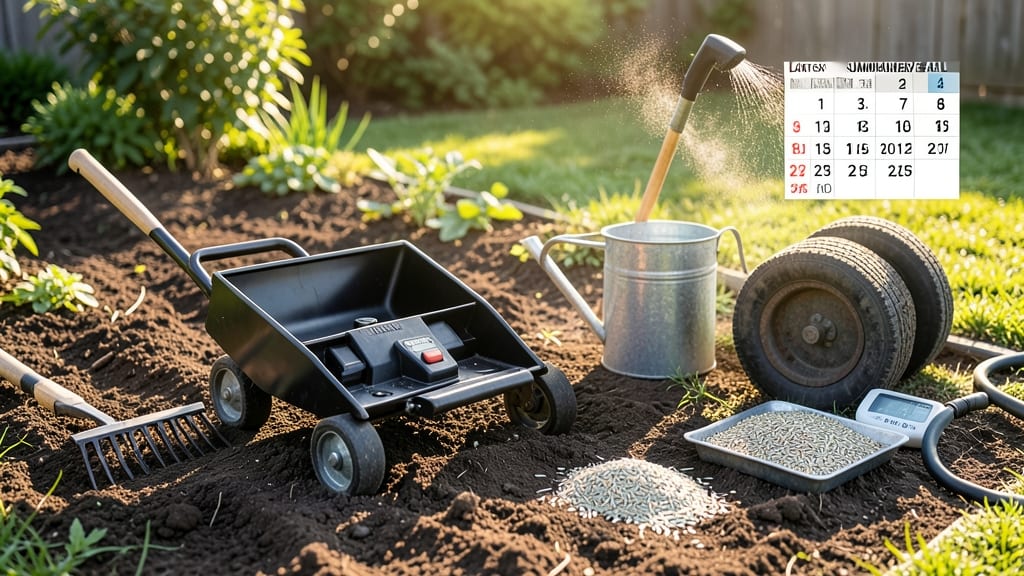
The best time to plant grass seed in Indiana is early spring (March-April) or late summer (August-September) 🌱 — when soil temperatures and moisture align for strong germination.
Indiana’s unpredictable spring and fall weather can make or break your grass seed planting success—plant too early, and frost kills your efforts; too late, and weeds take over. Timing isn’t just about the calendar; it’s about soil temperature, rainfall, and your specific grass type.
Cool-season grasses like Kentucky bluegrass thrive in Indiana’s 5b-6b zones when planted in early spring, while warm-season varieties like Bermuda prefer late summer. The key is getting seeds in the ground 1-2 weeks before the first frost or after the last frost date, depending on your lawn’s needs.
Below, I’ll break down the exact windows by grass type, soil prep secrets to avoid common mistakes, and how to keep your new lawn weed-free from day one.
Indiana’s ideal grass seed planting windows by zone and grass type
Indiana’s USDA zones 5b-6b create a unique challenge for lawn lovers—cool northern areas near Lake Michigan clash with warmer southern regions near the Ohio River. Cool-season grasses like Kentucky bluegrass and fescue thrive in spring and fall, while warm-season varieties like Bermuda and zoysia need summer’s heat to establish.
Getting the timing wrong means wasted seed or weed-dominated lawns.
Your microclimate matters: Urban areas like Indianapolis experience heat islands that delay spring frost, while rural northern Indiana can see frost as late as May 15. Soil temperature is your real guide—50°F for cool-season and 65°F+ for warm-season seeds.
Let’s break down the perfect planting windows by zone and grass type so your lawn gets off to a lush start.
Pro Tip: Use a soil thermometer ($10 at garden centers) to confirm temperatures before planting. Morning readings between 9-11 AM are most accurate.
For cool-season grasses, late summer (August-September) is your golden window—seeds germinate quickly when nights cool but days stay warm. This timing outpaces weeds and gives roots time to establish before winter. Kentucky bluegrass, Indiana’s state grass, especially loves this period because it mimics natural seed dispersal timing.
Warm-season grasses like Bermuda and zoysia need consistent 65°F+ soil for 2+ weeks straight. Planting in late spring (May-June) lets them establish before summer’s peak heat. In southern Indiana, you can start as early as April 15, but northern zones should wait until May 20 to avoid frost damage.
Urban lawns face extra challenges: concrete absorbs heat, delaying soil warming by 1-2 weeks compared to rural areas. Test your microclimate by checking when nearby dandelions bloom—if they’re up by March 15, your soil’s ready for cool-season seed.
After planting, maintain consistent moisture—Indiana’s unpredictable rainfall means you may need to water daily for 2-3 weeks until seedlings reach 2 inches tall. Use a sprinkler with gentle rain setting to avoid washing seeds away.
Remember: Weed competition is your biggest enemy in the first 30 days. Apply a pre-emergent herbicide 2 weeks before planting to block crabgrass and chickweed. For organic options, use corn gluten meal at 20 lbs per 1,000 sqft.
Your first mowing should happen when grass reaches 3-4 inches—never remove more
How to Check soil conditions before planting grass seed in Indiana
Before you rush to spread grass seed across your Indiana lawn, checking your soil conditions is the secret to success. Indiana’s clay-heavy soils from glacial deposits can hold moisture like a sponge but also compact easily, stifling new grass growth.
I’ve learned the hard way—skipping this step means wasted seed and frustration. Let’s fix that by testing three critical factors: soil temperature, moisture levels, and pH balance.
Start with a soil thermometer—this isn’t just a fancy tool, it’s your grass seed’s lifeline. Cool-season grasses like Kentucky bluegrass and tall fescue (Indiana’s favorites) need soil temps between 50°F and 65°F to germinate properly.
Warm-season grasses like Bermuda or zoysia? They’re picky too, thriving only when soil hits 65°F to 75°F. Check temps at 4-inch depth—that’s where seeds will be.
- 🌡️ Soil Temperature: Use a thermometer at 4" depth. 50°F-65°F for cool-season, 65°F-75°F for warm-season.
- 💧 Moisture Test: Grab a handful—squeeze! Damp but not soggy is ideal. Clay soils? Amend with compost to improve drainage.
- 🧪 pH Check: Test with a kit (or send to extension office). 6.0-7.0 is perfect. Below 6.0? Add lime. Above 7.0? Use sulfur.
- 🪴 Compaction Fix: Aerate clay soils 2-3 days before planting. Use a core aerator for best results.
- 📅 Timing Tip: Test 1-2 weeks before planting. Indiana’s spring frost can linger—don’t gamble with germination!
Next, let’s talk moisture levels. Stick your finger into the soil—if it feels like a damp sponge, you’re golden. Too dry? Your seeds will bake before sprouting. Too wet? They’ll rot. Aim for soil that holds moisture but drains well.
For Indiana’s clay soils, I swear by mixing in 2-3 inches of compost before planting. It’s like giving your lawn a breath of fresh air, improving both drainage and nutrient availability.
Don’t overlook pH testing—this is where many Indiana gardeners trip up. Most grass types prefer a slightly acidic to neutral pH (6.0-7.0). Grab a soil test kit (or mail a sample to your local Purdue Extension office—they’re free!).
If your pH is off, fix it 4-6 weeks before planting. For low pH (acidic), sprinkle pelletized lime according to the package. For high pH (alkaline), use elemental sulfur. Patience here pays off—your grass will thank you.
Indiana’s glacial till soils often compact like concrete after heavy rains or foot traffic. If your soil feels hard as a rock when dry, it’s time to aerate. Rent a core aerator and poke holes 3-4 inches deep, spacing them 2-3 inches apart.
This lets air, water, and roots move freely. Pro tip: Do this 2-3 days before planting. The holes will start filling with soil, but they’ll still give your seeds room to breathe.
Finally, put it all together with this pre-planting checklist:
- ✅ Test soil temp—wait if below 50°F for cool-season or 65°F for warm-season.
- ✅ Amend clay soil with compost (2-3 inches) if it’s compacted.
- ✅ Adjust pH to 6.0-7.0 with lime or sulfur.
- ✅ Aerate if soil is hard when dry.
- ✅ Water lightly the day before planting to settle soil.