
Lawn
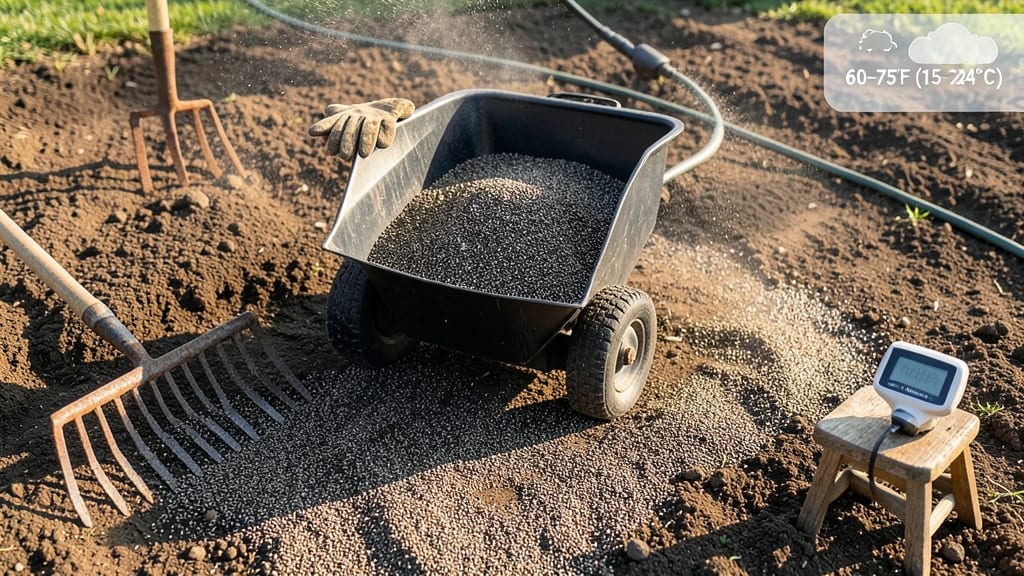
Planting grass seed in Indiana at the right time means the difference between a thick, green lawn and a patchy, weak one 🌱 — aim for early spring or early fall when soil temperatures and moisture align.
Indiana’s unpredictable spring weather can turn a perfect grass seed planting window into a frustrating gamble—but timing it right means lush, thick lawns by summer.
In zones 5b-6b, the ideal window is 4-6 weeks before your last frost date (usually mid-April) or in early fall before the first frost hits (mid-October).
Below, I’ll break down the exact soil temperature thresholds, regional frost-free deadlines, and how to prepare your lawn for the best germination—so you can skip the guesswork and get it right the first time.
Best months to plant grass seed in Indiana (by climate zone)
Indiana’s diverse climate zones create unique challenges for lawn care. The state spans USDA zones 5b-6b, meaning Northern Indiana (like Gary and Fort Wayne) faces earlier frosts than Southern Indiana (like Louisville and Evansville). Timing your grass seed planting correctly ensures strong germination and a lush lawn by summer.
Grass seeds need consistent soil temperatures of at least 50°F to germinate properly. In Indiana, this typically happens 4-6 weeks before the last frost date, which varies by region. Southern Indiana can plant 1-2 weeks earlier than Northern Indiana, giving it a longer growing season.
Here’s how to align your planting schedule with Indiana’s microclimates and frost-free deadlines for the best results:
For Northern Indiana, focus on late March to early May for spring planting. The last frost typically hits mid-April, so aim to plant 4-6 weeks before to give seeds time to establish roots. If you miss spring, fall planting in September is your next best option.
In Southern Indiana, you can start as early as early March when soil temperatures reach 50°F. The warmer climate allows for a longer spring window, but don’t wait past late May—summer heat can stress young seedlings. Fall planting here extends until mid-October.
Microclimates play a big role in Indiana. Urban areas like Indianapolis often experience heat islands, where soil warms faster in spring. Rural areas may stay cooler longer. Use a soil thermometer to confirm 50°F+ temperatures before planting—this is more reliable than guessing by calendar dates.
If you’re in a transition zone (like Central Indiana), split your planting: 50% in spring and 50% in fall. This hedges against unpredictable weather. For example, April showers can delay spring planting, while early October rains might push fall planting too late.
Pro tip: Cool-season grasses (like tall fescue and Kentucky bluegrass) thrive in Indiana’s climate. Plant them in early fall for the deepest roots before winter. Warm-season grasses (like Bermuda) can wait until late spring when soil is 60°F+.
Remember, preparation is key. Test your soil’s pH (aim for 6.0-7.0) and loosen compacted areas before seeding. A well-prepared seedbed ensures even germination, no matter when you plant. With the right timing, your Indiana lawn will be the envy of the neighborhood by next summer! 🌱
How to check soil temperature & avoid common planting mistakes
Planting grass seed in Indiana requires more than just picking a month—soil temperature is the real game-changer. Grass seeds need consistently warm soil (at least 50°F) to germinate properly. Cold soil slows growth, leaving your lawn vulnerable to weeds or frost damage.
I’ve learned this the hard way after planting too early and watching seeds rot in damp, chilly earth.
Even if the air feels spring-like, soil warms up slower—especially in Indiana’s USDA zones 5b-6b. That’s why checking soil temperature before planting is non-negotiable. Without this step, you risk wasting seed money and waiting months for results. Let’s fix that with simple, foolproof methods.
⚠️ Warning: Premature Planting Kills Grass Seeds
Signs you planted too early:
- Yellowing seedlings after germination (frost damage)
- Slow or no sprouting after 2+ weeks (soil too cold)
- Mold or fungus on soil surface (excess moisture from cold ground)
To test soil temperature accurately, grab a soil thermometer (they’re cheap and worth it). Stick it 2 inches deep—where seeds will be—and check readings in the morning.
If it’s below 50°F, wait 3-5 days and retest. Pro tip: Soil near south-facing walls warms faster, so test multiple spots in your yard.
No thermometer? No problem. Try the DIY finger test: Dig a small hole, stick your finger in, and hold it for 5 seconds. If the soil feels cooler than your wrist, it’s not ready.
Another trick: Press a bare hand on the ground for 10 seconds—if it’s uncomfortable, the soil’s too cold. These methods work surprisingly well for quick checks.
If you’re eager to plant but the soil’s still cold, extend your window with protective layers. Lay down frost cloth or use straw mulch (1-2 inches thick) to insulate seeds.
This adds 2-4 weeks of warmth, letting you plant earlier without risk. Just remove the cover once soil warms up to prevent overheating.
Remember: Grass seeds planted in warm soil germinate in 7-14 days, while cold-soil seeds may take 3-4 weeks—or fail entirely. The extra 10 minutes to check soil temperature now saves hours of frustration later. Trust me, your future lawn will thank you.