
Plants
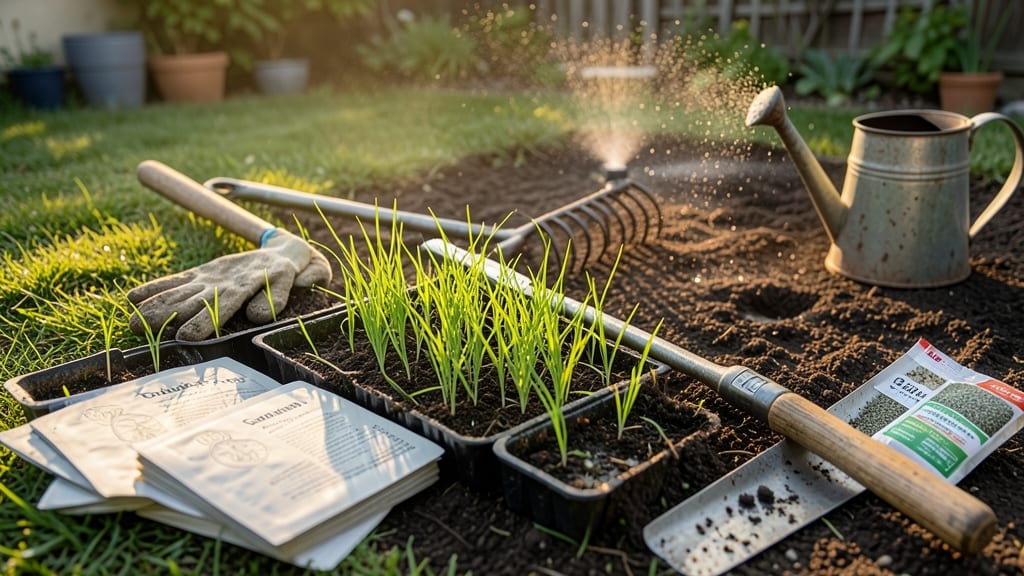
Planting grass seed in Vancouver at the right time is the difference between a lush, green lawn 🌱 and a patchy, frustrating mess.
If you’ve ever watched your seeds sprout unevenly or wash away in the first rain, you know timing is everything. Vancouver’s mild winters and rainy springs mean the window for planting is narrow—and missing it can mean wasted effort or slow germination.
Most gardeners in zone 8a swear by early spring or early fall, but the truth is more nuanced. Soil temperature, frost dates, and even your neighborhood’s microclimate play a role. Get it right, and you’ll see strong roots in just 3-4 weeks.
Here’s exactly when to plant, how to prep your soil for Vancouver’s wet climate, and the fastest way to keep your new grass thriving once it’s down.
Best soil temperature and frost-free timeline for Vancouver grass seed planting
Vancouver’s mild but unpredictable climate makes timing your grass seed planting a critical step. Unlike warmer regions, cool-season grasses like Kentucky bluegrass and fescue thrive when soil temperatures hover between 50°F and 65°F. Planting too early risks frost damage, while waiting too long means missed germination windows.
The key is understanding Vancouver’s frost-free timeline, which typically runs from mid-April to mid-October, with coastal areas staying milder longer than interior regions.
For optimal germination, aim for soil temps between 55°F and 60°F. This usually aligns with late March to early May for spring planting and late August to early September for fall.
Early fall is often ideal because cooler temps reduce weed competition, and seeds establish roots before winter dormancy. However, Vancouver’s rainy season can complicate things—overwatering or poor drainage can smother seeds, so preparation is everything.
| Planting Window | Soil Temp Range (°F) | Frost Risk | Best Grass Types |
|---|---|---|---|
| Late March - Early May | 50°F - 65°F | Low (coastal), Moderate (interior) | Tall Fescue, Kentucky Bluegrass |
| Late August - Early September | 55°F - 60°F | None (frost-free) | Fine Fescue, Perennial Ryegrass |
| Mid-April - Mid-October | 65°F+ (avoid) | High (summer heat stress) | Bermuda Grass (limited use) |
*Coastal areas extend frost-free season by 2-3 weeks compared to interior Vancouver.
To avoid planting too early, use a soil thermometer (available for under $15) to check temperatures at a 4-inch depth. If your soil is below 50°F, wait—even a light frost can kill newly sprouted seeds.
For a DIY check, press your hand into the soil for 10 seconds; if it feels cool but not freezing, it’s likely in the right range. Early mornings are best for testing, as temps fluctuate throughout the day.
Vancouver’s coastal microclimate often stays frost-free until mid-October, while interior areas may see frost as early as late September. This means coastal gardeners have a slightly longer window for fall planting.
However, don’t push it—seeds need 4-6 weeks to establish roots before winter dormancy. If you’re unsure, err on the side of planting 6 weeks before the first frost to ensure success.
One common mistake is assuming air temperature reflects soil warmth. Soil retains heat longer and stays cooler than the air, especially after rain. After heavy rainfall, wait 24-48 hours before planting to let moisture evaporate and soil warm up.
If your lawn feels damp for days, consider using a soil warming blanket (a black plastic sheet) for a week to boost temps naturally.
For fast germination, pair the right timing with proper prep: loosen compacted soil with a rake, remove debris, and water the area 24 hours before planting to create a moist seedbed.
After sowing, keep seeds consistently moist (not soggy) with a light misting 2-3 times daily until germination, which typically takes 7-21 days depending on the grass type and weather.
If you’re planting in shaded areas, opt for fine fescue, which tolerates lower light levels better than Kentucky bluegrass. Shaded lawns also benefit from a thinner seed spread (use half the recommended rate) since competition from established plants is less intense.
Mulch lightly with straw to retain moisture and protect seeds from birds or heavy rain.
Remember, Vancouver’s summer droughts can stress new grass, so plan to water deeply 2-3 times per week once germination occurs. Early morning watering (before 10 AM) minimizes evaporation and fungal risks.
With the right timing and care, your lawn will establish a dense root system by late fall, ready to handle Vancouver’s wet winters.
Pro tip: Mark your planting dates on a calendar and set reminders for watering schedules. Consistency is key—skipping even one watering in the first two weeks can drastically reduce germination rates.
By following these soil temp and frost-free guidelines, you’ll give your grass seed the best chance to thrive in Vancouver’s unique climate. 🌱
Step-by-step planting schedule by Vancouver’s microclimates (coastal vs. interior)
Vancouver’s unique climate creates two distinct planting zones: the coastal region (milder, wetter) and the interior (hotter, drier). Your grass seed’s success depends on these microclimates—cool-season grasses like Kentucky bluegrass thrive in coastal areas, while Bermuda grass suits the interior’s heat.
Let’s break down the best planting windows for each zone, including adjustments for sunny vs. shaded lawns.
For coastal Vancouver, aim for early spring (March-April) or early fall (September-October) when soil temps hover between 50-65°F. The longer growing season here means you can start slightly earlier than the interior.
In contrast, interior Vancouver demands a tighter window—late April to early June—to avoid summer drought stress. Always check for the last frost date (typically mid-April) before planting.
Sun exposure also shifts your schedule: sunny lawns can handle spring planting as early as February, while shaded areas need to wait until late April when soil warms enough for germination. Cool-season grasses like fine fescue tolerate shade better, so adjust seed choices based on your yard’s light conditions.
| Factor | Coastal Vancouver | Interior Vancouver |
|---|---|---|
| Best Planting Window | March 15 – April 30 September 1 – October 15 |
April 15 – June 15 |
| Ideal Soil Temp | 50–65°F (10–18°C) | 55–70°F (13–21°C) |
| Cool-Season Grasses | Kentucky bluegrass, Tall fescue, Fine fescue |
Perennial ryegrass, Hard fescue |
| Warm-Season Grasses | Bermuda grass (late May) | Bermuda grass, Zoysia grass |
| Shaded Lawn Adjustment | Delay to April 15 | Delay to May 1 |
| Key Challenge | Fungal risks from rain | Summer drought |
If you’re planting in coastal Vancouver, prioritize September for fall seeding—cooler temps and consistent rainfall create perfect germination conditions. Use a light mulch (like straw) to retain moisture without suffocating seeds.
For the interior, focus on late April to early May when soil is warm enough to prevent seed rot. Always water twice daily (morning and evening) for the first 2 weeks to keep seeds moist.
For shaded lawns, extend your planting window by 2–3 weeks to avoid cool, damp soil that slows germination. Choose fine fescue or creeping red fescue—these varieties tolerate low light better than Kentucky bluegrass.
In sunny areas, Kentucky bluegrass or perennial ryegrass will establish faster with proper watering. Test your soil’s pH (ideal: 6.0–7.0) before planting to ensure optimal nutrient uptake.
Pro tip: Use a soil thermometer to confirm temps before seeding—coastal areas may need a lightweight row cover for early spring plantings to protect seeds from unexpected chills. Interior lawns benefit from drip irrigation to conserve water during Vancouver’s dry summers.
With the right timing and adjustments, your lawn will germinate in 7–21 days and thrive year-round.