
Plants
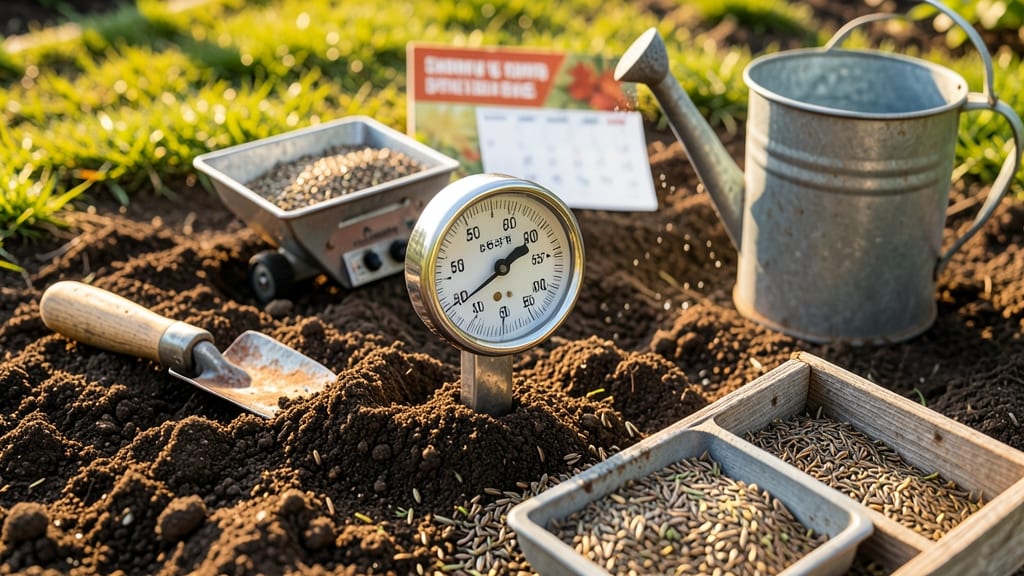
Planting grass seed in Tennessee during the cool-season window—early fall or late winter—sets the stage for a thick, green lawn that survives the state’s heat and humidity.
Tennessee’s unpredictable spring and fall weather can make or break your lawn—planting grass seed at the wrong time means weak growth, patchy coverage, or wasted money. Timing is everything for a lush, resilient lawn, and the cool-season window is your golden opportunity.
Whether you’re in Nashville, Chattanooga, or Knoxville, the ideal soil temperature (50-65°F) and frost-free days create perfect conditions for seed germination. Skipping this window risks stressing young grass in summer’s scorching heat or winter’s freeze.
Below, I’ll walk you through the best months to plant, soil prep tips for Tennessee’s clay-heavy soil, and the top grass seed varieties that thrive here. No guesswork—just a stronger lawn from day one.
Best months to plant grass seed in Tennessee’s cool-season climate
Tennessee’s cool-season climate creates perfect conditions for grass seed to establish strong roots before extreme heat or cold sets in. The ideal planting window is when soil temperatures hover between 50-65°F, allowing seeds to germinate without stress.
Missing this window often leads to thin, patchy lawns or wasted seed investments.
For most of Tennessee, this means early fall (August-September) or late winter (March-April). Fall planting gives grass a head start to develop deep roots before winter dormancy, while spring planting avoids summer heat stress.
However, Tennessee’s three distinct regions—East, Middle, and West—can shift these windows by 2-4 weeks.
Here’s a quick reference for Tennessee’s microclimates and their ideal planting times, including adjustments for major cities like Nashville, Chattanooga, and Knoxville:
| Region | Ideal Planting Window | Soil Temp Threshold | Key Cities | Adjustment Notes |
|---|---|---|---|---|
| East Tennessee | Late August–Early October Late March–Mid-April |
50–65°F | Knoxville, Chattanooga | Cooler highlands (e.g., Smokies) may shift window 1 week earlier. |
| Middle Tennessee | Mid-August–Late September Early April–Mid-May |
50–65°F | Nashville, Murfreesboro | Clay soils in Nashville dry faster—plant when soil moisture is high. |
| West Tennessee | Early September–Mid-October Mid-March–Early April |
55–65°F | Memphis, Jackson | Warmer microclimates near rivers may extend fall window to November. |
East Tennessee (e.g., Knoxville) often experiences earlier frosts, so aim for late August planting to avoid winter stress. The Appalachian Mountains can create microclimates where frost arrives 2 weeks earlier than valley areas, so monitor local frost dates closely.
In Middle Tennessee, including Nashville, the clay-heavy soil holds moisture longer, making early fall (August) the best time. However, if you miss this window, late winter (March) is your second chance—just ensure soil isn’t waterlogged from spring rains.
West Tennessee, particularly around Memphis, has a longer growing season. You can push fall planting to mid-October if temperatures stay mild, but avoid planting after October 15 to prevent winter kill. Spring planting here should start by March 15 to beat summer heat.
Regardless of region, always check the 7-day soil temperature forecast before planting. Use a soil thermometer ($10–$15 at garden centers) to confirm 50–65°F at 4-inch depth. Cool mornings with warm afternoons are ideal for germination.
Pro tip: Seed germination slows below 50°F and stops below 40°F. If your last frost date is November 15 (common in East TN), plant by October 1 to allow 6 weeks of growth before dormancy. For spring planting, wait until 2 weeks after your average last frost date.
For Nashville homeowners, the Tennessee State University Extension recommends Tall Fescue for its drought tolerance, but Kentucky Bluegrass thrives in the richer soils of Middle TN. Adjust your seed mix based on your lawn’s sun exposure—shady areas need fine fescue blends.
Remember: Consistent moisture is critical after planting. Water lightly twice daily (morning and evening) for the first 2 weeks to keep soil evenly moist, not soggy. Once seedlings reach 2 inches tall, reduce to deep watering 2–3 times per week.
How to prepare Tennessee soil for grass seed success
Before you even think about scattering grass seed across your Tennessee lawn, soil preparation is the foundation of success. Poor soil quality leads to weak germination, patchy growth, and wasted seed. In Tennessee, where clay-heavy soils dominate Middle TN and acidic soils prevail in East TN, proper prep is non-negotiable.
Let’s break down the steps to transform your soil into the perfect seedbed for your new lawn.
Start with a soil test—this is your first critical step. Tennessee’s USDA zones 6a-7b mean your soil’s pH and nutrient levels can vary dramatically. Aim for a pH between 6.0 and 7.0; most cool-season grasses thrive in this neutral-to-slightly-acidic range.
If your test reveals acidic soil (pH below 6.0), amend it with lime. For alkaline soil (pH above 7.0), add sulfur or peat moss to lower the pH gradually.
⚠️ callout warning
- Skipping soil tests: 70% of TN lawn failures start with untested soil.
- Over-tilling clay soil: Middle TN’s clay can become compacted if tilled too deep.
- Ignoring weeds: Crabgrass and clover compete fiercely with new grass seed.
- Using fresh manure: Can burn seedlings and disrupt pH balance.
Once you’ve adjusted the pH, it’s time to till the soil to a depth of 3-4 inches. This loosens compacted layers and improves aeration, which is especially crucial in Middle Tennessee’s clay soils. Use a rototiller or garden fork to break up clumps without pulverizing the soil.
For East Tennessee’s rocky terrain, hand-tilling or using a broadfork may be more practical to avoid damaging roots of existing plants.
Incorporate organic matter like compost or well-aged manure to improve soil structure and fertility. Aim for a 1-2 inch layer mixed into the top 4 inches of soil. Peat moss is another excellent amendment for sandy soils in West TN, as it helps retain moisture and nutrients.
Avoid fresh organic materials, as they can rob nitrogen from the soil and harm seedlings.
Weed control is often overlooked but critical. Before planting, apply a pre-emergent herbicide to prevent weeds from germinating alongside your grass seed. For existing weeds, use a non-selective herbicide like glyphosate to kill them, then wait 2-3 weeks before planting.
Alternatively, smother weeds with cardboard or landscape fabric for 4-6 weeks to break them down naturally.
Finally, level the soil surface to ensure even seed distribution and water absorption. Use a lawn rake to smooth out low spots and fill in high areas. For large lawns, consider renting a landscaping rake or laser level to achieve a uniform grade.
Once leveled, lightly roll the soil with a lawn roller to create good seed-to-soil contact, which is essential for consistent germination.
With your soil prepped, tested, and amended, you’re ready to plant grass seed during Tennessee’s optimal cool-season windows—early fall or late winter. This preparation ensures your grass seed has the best possible start, leading to a thicker, greener lawn that outcompetes weeds and withstands Tennessee’s unpredictable weather.