
Plants
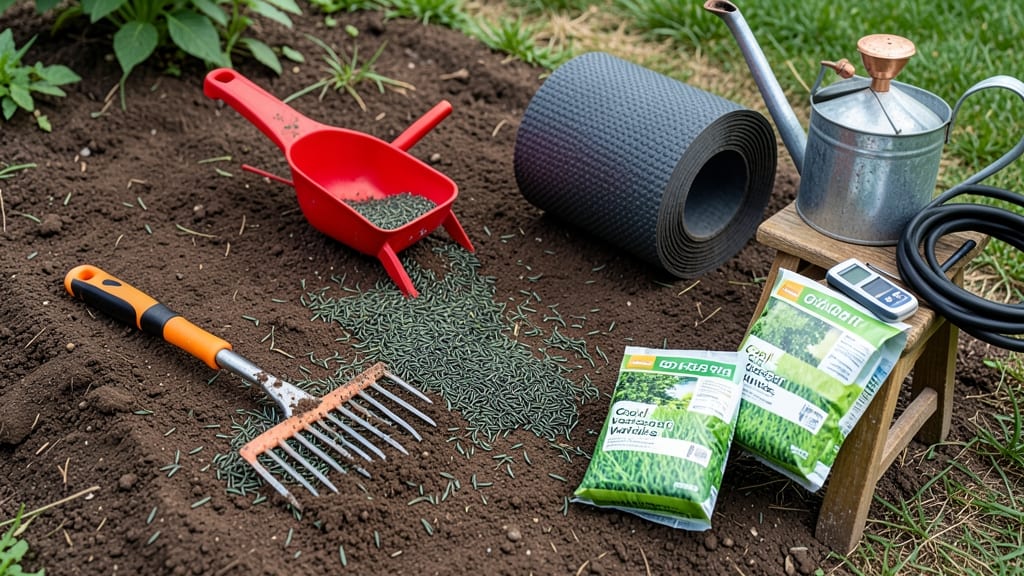
Planting grass seed in Utah at the right time means the difference between a lush lawn and a second chance next year 🌱 — and the timing shifts wildly with elevation.
Picture this: you’ve prepped the soil, spread the seed, and poured on the water—only for a late frost to wipe out your progress. Or worse, you plant in the heat of summer and watch your seed bake in the sun before it even sprouts.
Utah’s dramatic elevation changes mean the "perfect" window in Salt Lake City isn’t the same as in Moab or Park City.
That’s why nailing the frost-free dates by zone is the key to success. Whether you’re in the low desert, mid-elevation valleys, or high mountain areas, the right planting window ensures your grass takes root before the weather turns against it.
Below, I break down the exact months to plant for your elevation zone, how to prep your soil for Utah’s dry climate, and the three critical mistakes that kill grass seed before it gets a chance to grow.
Utah’s frost-free dates by elevation zone: best planting windows
Utah’s dramatic elevation changes—from the low desert to high mountain valleys—create wildly different frost-free dates that dictate the perfect grass seed planting windows. In the low desert (e.g., St. George), spring arrives early, while high-elevation areas (e.g., Park City) may still have snow in May.
These differences mean your cool-season vs. warm-season grass timing must align with your exact zone to avoid frost damage or wasted seed.
For cool-season grasses like Kentucky bluegrass or tall fescue, the ideal planting window is 4–6 weeks before your area’s first frost. Meanwhile, warm-season grasses such as Bermuda or Zoysia thrive when planted after the last frost and before summer heat peaks.
Missing these windows can leave your lawn vulnerable to frost kill or heat stress, so knowing your elevation zone is critical.
Below is a breakdown of Utah’s three key elevation zones, their average frost-free dates, and the optimal grass seed planting windows for each. Use this as your guide to time your planting for maximum germination success.
| Elevation Zone | Avg. Last Frost | Avg. First Frost | Cool-Season Planting Window | Warm-Season Planting Window | Soil Temp. for Germination |
|---|---|---|---|---|---|
| Low Desert (2,000–4,000 ft) | February 28 | November 15 | September 15–October 15 | April 15–May 15 | 50–60°F (10–15°C) |
| Mid-Elevation (4,000–7,000 ft) | April 15 | October 1 | August 15–September 15 | May 1–June 1 | 55–65°F (13–18°C) |
| High Mountain (7,000–10,000 ft) | May 15 | September 15 | July 15–August 15 | June 15–July 15 | 60–70°F (16–21°C) |
In low desert areas like St. George or Cedar City, you can plant cool-season grasses as late as mid-October because frost arrives later. Meanwhile, high mountain zones such as Ogden or Logan require planting cool-season grasses by mid-August to ensure roots establish before the first frost in mid-September.
For warm-season grasses, the opposite is true—plant in late spring when soil temperatures consistently reach 60°F+.
Soil temperature is just as critical as air temperature. Use a soil thermometer to confirm your soil is at least 50°F (10°C) for cool-season grasses or 60°F+ (16°C+) for warm-season varieties.
In mid-elevation zones, this often means waiting until late April or early May for warm-season grasses, even if the air feels warm earlier.
If you’re in a transition zone (e.g., Salt Lake Valley), consider overseeding in fall for cool-season grasses to extend your growing season. This approach takes advantage of cooler temperatures and consistent moisture after summer’s heat. For warm-season grasses, focus on early spring planting to beat the summer drought.
Pro tip: Check the National Weather Service or local USDA Plant Hardiness Zone Map for your exact location. Even within a city, microclimates can shift frost-free dates by weeks. For example, Park City may still have frost in June, while Provo could be frost-free by mid-May.
Always err on the side of planting slightly later if you’re unsure—seed won’t germinate in cold soil, but it can survive brief warm spells.
Finally, remember that watering consistency is your best friend during germination. New grass seed needs daily moisture to sprout, so plan for deep watering (1/2 inch per week) until the grass reaches 3–4 inches tall. In Utah’s dry climate
How to choose the right grass type for Utah’s climate zones
Utah’s dramatic elevation shifts—from desert lowlands to high mountain valleys—create unique challenges for lawn success. The wrong grass type can mean brown patches, thin coverage, or wasted seed.
Cool-season grasses like Kentucky bluegrass thrive in Utah’s mid-elevation zones, while tall fescue handles both heat and drought better in low desert areas. Choosing wisely means matching your yard’s microclimate to the grass’s natural strengths.
For early spring planting (March–April), opt for cool-season varieties that germinate quickly in 50–60°F soil. In contrast, late summer planting (August–September) favors warm-season grasses like Bermuda, which establish roots before winter dormancy.
Utah’s USDA zones 5–8 demand flexibility—some grasses struggle in high-altitude shade, while others wilt in lowland heat.
If your yard sits in Utah’s Wasatch Front (e.g., Salt Lake City), tall fescue is my top recommendation—it handles summer heat and winter chill while requiring less water than Kentucky bluegrass. For high-altitude gardens (e.g., Park City), fine fescue outperforms others in shady, cool conditions.
Meanwhile, Bermuda grass is ideal for St. George’s desert climate, where 100°F+ temps would fry cool-season grasses.
Timing matters just as much as type. Cool-season grasses need soil temps above 50°F to germinate, while warm-season varieties thrive when soil exceeds 65°F. Test your soil with a thermometer before planting—this simple step prevents costly mistakes.
For example, planting Kentucky bluegrass in June will likely fail in Utah’s lowland heat.
Don’t overlook soil prep—Utah’s alkaline soils often need gypsum or sulfur to adjust pH before seeding. A 6.0–7.0 pH ensures optimal nutrient uptake.
Pair your grass choice with proper watering: deep, infrequent soaks (1/2 inch per week) encourage deep root growth, while light, frequent watering promotes shallow roots that struggle in drought.
For shady yards, mix fine fescue with creeping red fescue—this combo stays green where sun-loving grasses fail. In full-sun areas, tall fescue blends with perennial ryegrass deliver fast germination and durability.
Always seed in cross directions (first pass north-south, second east-west) to avoid streaks and ensure even coverage.