
How To
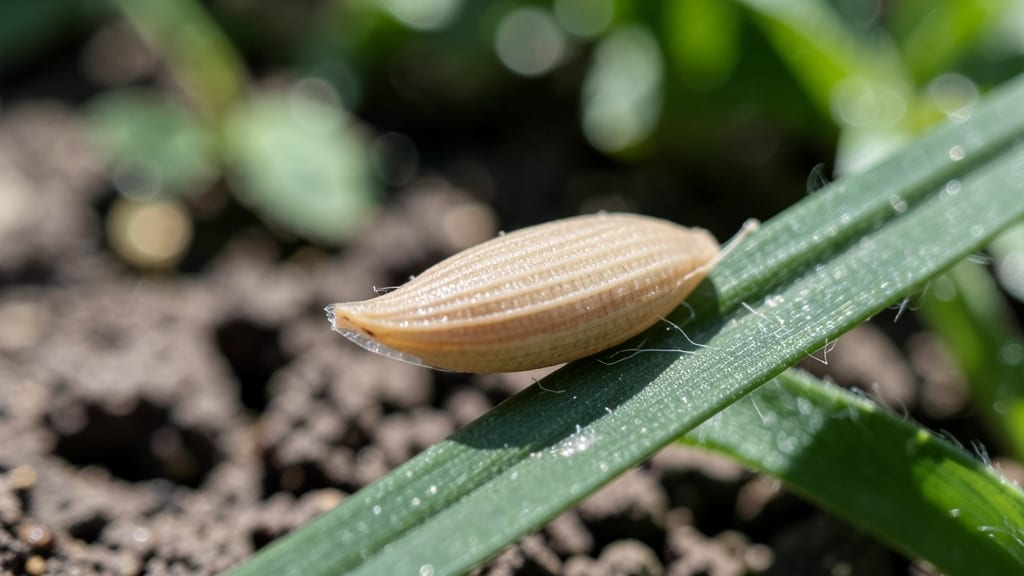
Planting centipede grass seed in South Carolina at the right time means the difference between a thriving lawn and one that struggles to take hold.
If you’ve ever watched your grass seeds sit dormant for weeks, only to sprout too late in the season, you know timing is everything.
This heat-loving grass 🌱 won’t germinate until the soil warms to at least 65°F, and planting too early risks frost damage while waiting too late can leave your lawn vulnerable to summer heat stress.
For South Carolina’s 7b-8a zones, the ideal window is late spring—typically between April and May—when temperatures stabilize and the last frost has passed. But even then, coastal areas may have a slightly earlier window than the Piedmont, so knowing your exact region matters.
Below, I’ll break down the exact soil temps to watch for, regional adjustments, and the 3 critical steps to ensure your centipede grass seed germinates fast and grows strong—without the common pitfalls that trip up even experienced gardeners.
Ideal soil temperature & weather conditions for centipede grass seed germination
Centipede grass (Eremochloa ophiuroides) thrives in South Carolina’s warm climate, but its seed germination depends heavily on soil temperature and humidity levels. Unlike cool-season grasses, centipede grass won’t sprout until the soil reaches at least 65°F, making late spring to early summer the critical window.
Planting too early risks frost damage, while waiting too long can trigger summer drought stress.
In South Carolina, coastal areas like Charleston often hit 65°F soil temps by early April, while inland regions like Columbia may need to wait until mid-May. The key is monitoring soil warmth, not just air temperature.
Use a soil thermometer to verify—centipede grass seeds won’t germinate below 65°F, even if the air feels warm.
Humidity plays a surprising role too. Centipede grass prefers 60-70% relative humidity during germination. South Carolina’s summer humidity naturally supports this, but early spring can be too dry. If your area experiences low humidity, consider light daily watering to maintain moisture without waterlogging the soil.
Direct sunlight is non-negotiable—centipede grass needs 6+ hours of full sun daily for strong germination. Shady spots will produce weak, sparse growth. In South Carolina, this means avoiding planting under trees or in north-facing yards where sunlight is limited during critical growing months.
| Condition | Ideal Range | SC Climate Notes |
|---|---|---|
| Soil Temperature | 65°F+ | Coastal: Early April; Inland: Mid-May |
| Relative Humidity | 60-70% | Summer humidity helps; supplement in spring |
| Sunlight | 6+ hours/day | Full sun required; avoid shaded areas |
| Rainfall | 1-1.5 inches/week | Natural rain preferred; water lightly if dry |
| Wind | Low to moderate | Strong winds dry soil; protect seedlings |
South Carolina’s summer heat can actually help centipede grass germination, but only if the soil stays consistently warm. If you plant in June or July, you’ll need to water deeply to prevent soil from drying out too quickly.
The grass’s deep root system helps once established, but seedlings are vulnerable to drought stress in the first 4-6 weeks.
One common mistake is assuming "warm weather" means it’s time to plant. Check for consistent soil warmth—not just daytime highs. Early mornings and evenings can still be cool, slowing germination. For best results, aim for a 3-4 week window where soil temps stay above 65°F without extreme heat waves.
Rainfall patterns matter too. Centipede grass prefers 1-1.5 inches of water weekly, but too much rain can suffocate seeds. South Carolina’s spring showers can be ideal, but if your area experiences prolonged dry spells, use a sprinkler to maintain even moisture. Avoid overhead watering, which can spread disease.
Finally, centipede grass hates competition. Weeds and clover will steal nutrients and sunlight from your seedlings. Before planting, apply a pre-emergent herbicide (safe for grass) or hand-pull weeds to give your centipede grass a fighting chance. This is especially critical in South Carolina’s fertile soil, where weeds germinate quickly.
Once your seeds sprout, you’ll see slow but steady growth—typically within 10-14 days under ideal conditions. Thin seedlings to 2-3 inches apart once they’re 2-3 inches tall to reduce competition.
With the right soil temperature, humidity, and sunlight, your centipede grass will establish a dense, low-maintenance lawn within a season. 🌱
South Carolina’s frost-free window: exact months to plant centipede grass seed
South Carolina’s diverse climate means your centipede grass seed planting window varies dramatically from the coastal lowcountry to the Upstate mountains. While coastal areas like Charleston enjoy earlier frost-free conditions, Upstate zones like Greenville may face lingering cold well into May.
This regional difference isn’t just about dates—it’s about matching your planting schedule to soil warmth and humidity levels that centipede grass craves.
For most of South Carolina, the optimal window spans just 6-8 weeks between late April and early June. Missing this window risks two major problems: late spring frosts that can kill tender seedlings, or summer heat stress that dries out newly planted seed before germination.
Let’s break down exactly when to plant in your specific region to maximize success.
| Region | Average Last Frost Date | Best Planting Window | Soil Temp Requirement | Key Consideration |
|---|---|---|---|---|
| Coastal (Charleston, Hilton Head) | Mid-March | Late March - Early May | 65°F+ (earlier possible) | Higher humidity speeds germination |
| Piedmont (Columbia, Rock Hill) | Early April | Late April - Mid-May | 68°F+ (critical for germination) | Moderate humidity - monitor soil moisture |
| Upstate (Greenville, Spartanburg) | Mid-April | Early May - Early June | 70°F+ (warmer soil needed) | Drier conditions - use mulch to retain moisture |
If you’re in the coastal zone, you can start as early as late March, but always verify soil temperatures—65°F is the absolute minimum for germination. The Piedmont region offers the most flexibility with its late April to mid-May window, making it ideal for beginners.
Meanwhile, Upstate gardeners should wait until early May at the earliest, as cooler nights can delay germination for weeks.
For those with early vs. late varieties, timing adjustments matter. Early varieties can handle slightly cooler soils (65°F) and work well in coastal areas planted in April. Late varieties, however, thrive in 70°F+ soil and are better suited for Upstate planting in May or early June.
Always check the seed packet for variety-specific recommendations—some modern hybrids tolerate wider temperature ranges.
One common mistake is assuming "after last frost" means you’re safe. Centipede grass seed needs consistent warmth, not just frost-free nights. Use a soil thermometer to confirm temperatures before planting—this simple tool can save you from weeks of waiting for germination.
If your soil is still cool in May, consider using a black plastic mulch to warm it up 2-3 degrees faster.
Remember, centipede grass establishes best when planted before summer heat arrives. By mid-June, South Carolina’s temperatures often exceed 90°F, creating conditions where newly planted seed may dry out before sprouting. Plan accordingly—your 6-week window is your best shot at a thriving lawn with minimal stress.