
Plants
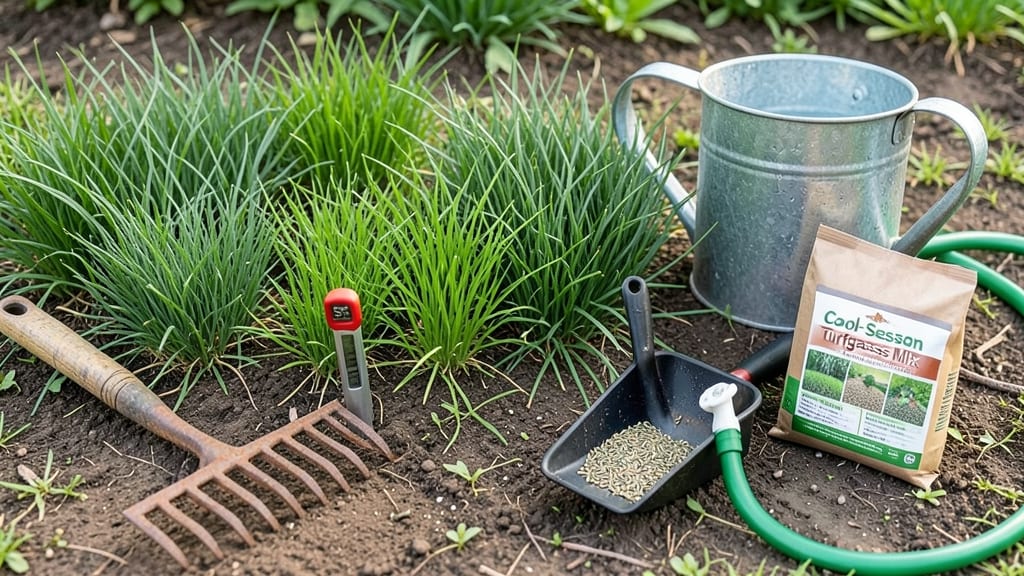
Planting grass seed in Upstate NY at the right time means the difference between a lush green lawn and a patchy, weed-filled disappointment.
Timing your grass seed planting in Upstate NY’s unpredictable Zone 5b-6a climate can mean the difference between a lush lawn and wasted effort—get it wrong, and you’ll battle frost, weeds, or slow germination.
Upstate NY’s short growing season and variable weather make late spring (after April 15) and early fall (before October 15) the sweet spots for planting. These windows align with soil temperatures between 50°F and 65°F, which is perfect for seed germination.
But here’s the catch: microclimates vary wildly—Albany’s frost dates differ from Buffalo’s, and a late spring freeze can turn your freshly planted seed into mulch.
In this guide, I’ll break down the exact frost-free deadlines for your area, how to prep your soil for Upstate NY’s tough conditions, and which grass varieties thrive despite our harsh winters and humid summers.
You’ll also learn how to troubleshoot common timing mistakes—like planting too early and facing frost damage or too late and inviting weeds to take over.
Upstate NY grass seed planting deadlines by month (Zone 5b-6a guide)
Getting your grass seed timing right in Upstate NY’s Zone 5b-6a means avoiding late frosts in spring and early freezes in fall. The ideal soil temperature for planting is between 50-65°F, and regional differences between Albany, Syracuse, and Buffalo can shift your perfect window by weeks.
I’ve planted grass seed in all three areas and learned the hard way—planting too early risks frost damage, while waiting too late invites summer weeds.
Upstate NY’s last frost dates typically range from mid-April in Buffalo to early May in the Adirondacks, while first frosts can arrive as early as mid-September in higher elevations.
This variability means your planting window must account for both microclimates and grass seed type. Cool-season grasses like Kentucky bluegrass and fescue thrive when planted in these precise windows.
Here’s the month-by-month breakdown of when to plant grass seed in Upstate NY, including soil temperature thresholds and regional adjustments:
Spring planting in Upstate NY should focus on early April to early May, when soil temperatures consistently stay above 50°F. I’ve seen Kentucky bluegrass germinate in just 7-10 days when planted in mid-April with proper moisture, but waiting until May risks crabgrass invasion.
For fall, late August to early October is your best bet—grass seeds establish deeper roots before winter, giving you a 20% stronger lawn next spring.
Regional differences matter: Buffalo’s urban heat allows for earlier spring planting, while the Adirondacks’ higher elevation may delay your window by 2-3 weeks. Use a soil thermometer ($15 at garden centers) to confirm temperatures—don’t guess!
I once planted tall fescue in late May in Albany, only to watch it struggle under 90°F heat and dry soil. The lesson? Soil temperature > air temperature for grass seed success.
Pro tip: If you’re overseeding an existing lawn, late August to early September is perfect—cool nights and warm days create ideal 60-65°F soil temps. Apply a starter fertilizer with high phosphorus (look for 24-0-5 NPK) to boost root growth.
For new lawns, late spring or early fall planting gives seeds 6-8 weeks of growing time before winter dormancy.
Watch for false springs in Upstate NY—those 70°F March days can trick you into planting too early
How to prepare your lawn for grass seed in Upstate NY’s climate
Upstate NY’s Zone 5b-6a climate demands careful lawn prep before seeding—especially with unpredictable frost and microclimates like south-facing slopes or shaded areas. Poor soil prep leads to thin patches or weed takeover, so follow these steps for a thick, resilient lawn.
Start by testing your soil’s pH level (ideal: 6.0–7.0) and amend as needed.
Clear existing weeds using a non-selective herbicide (like glyphosate) for established lawns or hand-pulling for organic methods.
For bare spots, rake aggressively to remove debris and loosen compacted soil. South-facing slopes dry faster—add organic mulch to retain moisture, while shaded areas may need fine fescue blends for better shade tolerance.
🌱 Step-by-Step Lawn Prep for Grass Seed in Upstate NY
- Test Soil: Use a pH test kit (aim for 6.0–7.0). Adjust with lime (if acidic) or sulfur (if alkaline) 4–6 weeks before seeding.
- Remove Debris: Rake out thatch (under ½ inch) and weeds. For compacted soil, aerate with a core aerator in spring/fall.
- Level the Ground: Fill low spots with topsoil and smooth with a lawn roller. Slopes >10%? Add erosion control fabric first.
- Amend Soil: Mix in 2–3 inches of compost or peat moss for sandy soils. Clay-heavy areas? Blend with coarse sand for drainage.
- Choose Seed Wisely: Cool-season grasses (Kentucky bluegrass, tall fescue) thrive in Upstate NY. Shady spots? Opt for fine fescue (e.g., Creeping Red).
- Water Deeply: Soak soil 1–2 inches deep 2–3 days before seeding. Morning watering prevents fungal growth.
- Seed & Cover: Spread seed at ½–¾ lb per 100 sqft. Lightly rake and cover with ¼ inch of compost. Mulch with straw to retain moisture.
For high-altitude areas (e.g., Adirondacks), delay seeding until soil warms to 50°F+ (late May). Shaded lawns benefit from overseeding in fall (September) when weeds are dormant. After seeding, keep soil consistently moist—never soggy—to avoid seed rot.
Mulch with straw (not hay) to protect seeds from bird foraging and drying winds. Avoid walking on new seed until sprouts reach 2–3 inches tall. First mowing should be at 3–4 inches height to strengthen roots.
Upstate NY’s humid summers and freezing winters test grass resilience. Fertilize lightly 4–6 weeks after seeding (use starter fertilizer with phosphorus for root growth). Overwatering in summer stresses grass—water deeply 2–3x/week instead.
With proper prep, your Upstate NY lawn will establish a dense root system before winter. Fall seeding (late August–September) often yields thicker growth than spring, thanks to cooler temps and fewer weeds. 🌱