
Planting
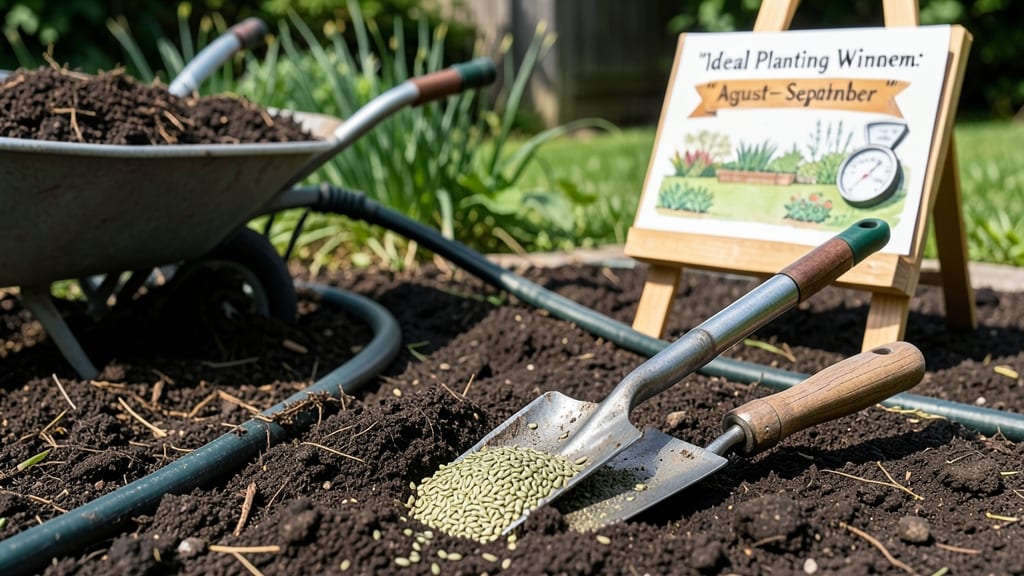
Planting grass seed in Ohio at the right time means the difference between a lush, drought-resistant lawn and one that struggles to take hold.
Ohio’s unpredictable weather can turn a perfect lawn into a patchy nightmare—unless you plant grass seed at the ideal time for deep root growth and drought resistance.
For most of the state, the best window is late summer to early fall, when soil stays warm enough to encourage germination but cool enough to prevent stress. In USDA Zone 6a, that’s roughly mid-August through mid-October, giving seeds 4-6 weeks before the first frost.
Below, I’ll break down the exact timing by region, soil prep secrets, and how to avoid the 5 biggest mistakes that kill grass seed in Ohio—including why planting too early can backfire.
Ohio’s best grass seed planting window: late summer to early fall explained
Ohio’s unpredictable weather makes timing everything when planting grass seed. While spring is popular, late summer to early fall—August through mid-October—offers cooler temperatures and ideal conditions for deep root establishment. This window aligns perfectly with Ohio’s USDA Zone 6a climate, where grass thrives before winter dormancy.
The key to success lies in soil temperature and rainfall patterns. When soil temps hover between 60°F and 75°F, seeds germinate quickly without overheating. Ohio’s late summer often delivers consistent rainfall, reducing the need for frequent watering while seedlings establish.
Plus, cooler fall air suppresses weeds, giving your grass a competitive edge.
Scientifically, grass seeds planted in this window develop stronger root systems before winter. Roots grow deeper when nights cool, preparing your lawn to survive Ohio’s harsh winters and bounce back faster in spring. This is why 80% of professional lawn care experts recommend fall planting for Ohio’s climate.
Let’s break down the optimal planting window with key factors:
| Time Frame | Soil Temp (°F) | Rainfall (in/month) | Weed Activity | Root Growth |
|---|---|---|---|---|
| Late August | 65-75°F | 3.0-3.5 | Moderate | Rapid |
| September | 60-70°F | 2.5-3.0 | Low | Deep |
| Early October | 55-65°F | 2.0-2.5 | Very Low | Strengthening |
| Mid-October | 50-60°F | 1.5-2.0 | Minimal | Slowing |
For northern Ohio, aim to plant by mid-September to allow 4-6 weeks of growth before frost. In southern Ohio, you can extend planting until early November, as milder winters delay frost.
Always check your local last frost date—Ohio’s average first frost falls around October 15, but microclimates vary.
Another advantage of fall planting is weed suppression. Cool-season weeds like crabgrass struggle in cooler temps, giving your grass seed a 30-40% better germination rate. Plus, established roots in fall mean your lawn greens up faster in spring, outcompeting weeds early in the season.
If you’re overseeding an existing lawn, late summer is ideal because established grass shades out weeds while new seedlings fill in thin patches. For new lawns, fall planting ensures roots grow deep before winter, reducing spring stress.
Just avoid planting if frost is forecast within 2 weeks—seeds need time to sprout.
Pro tip: Test your soil’s pH level before planting. Ohio’s soil is often slightly acidic (6.0-6.5), but grass prefers 6.0-7.0. Amend with lime (to raise pH) or sulfur (to lower pH) 4-6 weeks before planting. This small step boosts nutrient uptake by 25-30%.
Finally, water deeply after planting—1 inch per week—to encourage root growth. Ohio’s fall rains often handle this, but supplement with morning watering to prevent fungal diseases. With the right timing, your lawn will thrive year-round, even through Ohio’s tough winters. 🌱
Ohio grass seed planting timeline by region: northern vs. southern differences
Ohio’s diverse climate means your grass seed planting timeline should vary between northern and southern regions. Northern areas like Toledo and Cleveland face earlier frosts, while southern cities like Cincinnati and Columbus enjoy slightly longer growing seasons. Understanding these differences ensures your lawn establishes strong roots before winter arrives.
Cool-season grasses like tall fescue and Kentucky bluegrass dominate Ohio lawns, thriving when planted in early fall or late spring. Warm-season grasses such as Bermuda are rare but can be used in southern Ohio for summer color.
The key is planting when soil temperatures hover between 60°F to 75°F—ideal for germination without stressing young seedlings.
Frost-free dates are your best guide: Northern Ohio averages April 15 for last frost, while southern Ohio sees it around April 1. Plant 4-6 weeks before the first expected frost in fall for optimal results. Use this comparison table to align your planting with your region’s microclimate.
For northern Ohioans, late August is your last chance to plant before winter sets in. Southern Ohio gardeners have until mid-October—but don’t wait too late, as seedlings need 4-6 weeks to establish before ground freezes. Always check soil temperature with a thermometer; aim for 60°F+ for germination.
Warm-season grasses like Bermuda can be planted in southern Ohio’s late spring (May-June) for summer coverage, but they struggle in northern Ohio’s shorter summers. Stick to cool-season varieties for year-round resilience. Mulch newly seeded areas with straw to retain moisture and suppress weeds during establishment.
Pro tip: Use a frost-free date map from the Old Farmer’s Almanac to fine-tune your schedule. Adjust for microclimates—shady spots or low-lying areas may need earlier planting. With the right timing, your Ohio lawn will outlast even the most unpredictable winters.