
Lawn
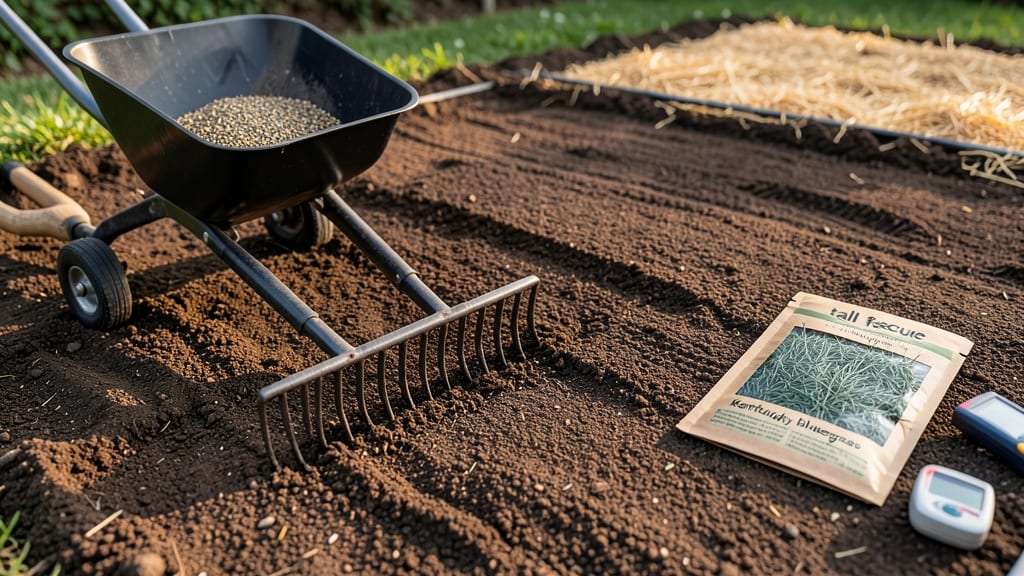
Planting grass seed in Virginia’s spring requires timing it between mid-March and early May—when soil warms to 50°F–75°F and the threat of frost has passed for your zone.
Timing your grass seed planting in Virginia’s spring climate can make the difference between a lush, green lawn and patchy disappointment—especially when dealing with Virginia’s variable USDA zones 6, 7, and 8.
One week too early and a late frost will wipe out your seedlings; too late and summer heat arrives before the grass takes hold.
I’ve seen lawns thrive in Virginia because of this window of opportunity, and the key is knowing when to act.
Whether you’re in the Piedmont’s rolling hills or the Coastal Plain’s humid lowlands, the right moment depends on soil temperature, rainfall, and your specific grass type—cool-season grasses like fescue need early planting, while warm-season Bermuda grass waits until late spring.
Below, I’ll break down the exact dates for your zone, how to prep your soil for strong root growth, and the watering schedule that keeps your new grass from drying out before it’s established.
Virginia’s ideal spring grass seed planting dates by USDA Zone (6, 7, 8)
Timing your grass seed planting in Virginia’s spring climate can make the difference between a lush, green lawn and patchy disappointment—especially with Virginia’s variable USDA zones 6, 7, and 8.
The key lies in understanding when soil temperatures consistently stay between 50°F and 75°F, as this range triggers optimal seed germination and root growth. In my experience, planting too early risks frost damage, while waiting too late can lead to summer heat stress for young seedlings.
Virginia’s diverse geography—from the Piedmont region to the Coastal Plain and Mountain areas—means microclimates can shift planting windows by weeks. For example, Zone 6 gardeners in the Shenandoah Valley may need to wait until mid-April, while those in Zone 8 near Richmond can start as early as late February.
Always check your local last frost date and adjust accordingly.
Cool-season grasses like tall fescue and Kentucky bluegrass are the best choice for Virginia’s spring planting, as they thrive in cooler temperatures. These varieties establish strong roots before summer heat sets in. Meanwhile, warm-season grasses like Bermuda or Zoysia should wait until late spring or early summer when soil temperatures consistently exceed 70°F.
| USDA Zone | Ideal Planting Window | Soil Temp Threshold | Best Grass Types | Regional Adjustments |
|---|---|---|---|---|
| Zone 6 (Piedmont) | Mid-April to early May | 50°F–60°F (consistent) | Tall fescue, Kentucky bluegrass | Wait until after last frost (typically March 15) |
| Zone 7 (Coastal Plain) | Late March to early April | 55°F–65°F (consistent) | Fine fescue, Bermuda (late spring) | Humidity may require extra watering |
| Zone 8 (Mountains) | Late February to early March | 60°F–70°F (consistent) | Zoysia, Centipede (if soil is acidic) | Higher elevations may need later planting |
For Zone 6 gardeners in Virginia’s Piedmont, aim to plant between mid-April and early May when daytime temperatures consistently stay above 50°F. This timing ensures seedlings aren’t shocked by late frosts, which are common in the Shenandoah Valley.
I’ve seen the best results when planting tall fescue in this zone, as it tolerates Virginia’s clay-heavy soils and handles our humid summers well.
In Zone 7, which covers much of the Coastal Plain, you can start as early as late March, provided soil temperatures are above 55°F. This zone benefits from fine fescue for shade tolerance and Bermuda grass for heat resistance.
However, be cautious of humidity-related fungal risks—water in the morning to allow foliage to dry quickly.
Gardeners in Zone 8, particularly in the Blue Ridge Mountains, can plant as early as late February if soil temperatures remain above 60°F. Zoysia grass thrives here due to its drought tolerance, while Centipede grass is ideal for acidic soils.
Just remember that higher elevations may experience cooler microclimates, so adjust planting dates accordingly.
Regardless of your zone, always test your soil’s moisture and temperature before planting. A simple soil thermometer (available at garden centers) can save you from planting too early. I keep one handy in my shed—it’s a game-changer for avoiding frost damage.
Additionally, cool-season grasses need 4–6 weeks of consistent moisture after planting, so prepare for daily watering until seedlings reach 2–3 inches tall.
One common mistake I see is planting warm-season grasses in spring, which struggle in cooler temperatures. Save Bermuda or Zoysia for late spring or early summer when soil temperatures exceed 70°F. For now, stick to cool-season varieties and let them establish a strong root system before summer’s heat arrives.
Finally, consider your lawn’s sun exposure. Most Virginia lawns receive 6–8 hours of sunlight daily, which is perfect for grass growth. If your yard has shady spots, opt for fine fescue or shade-tolerant Kentucky bluegrass varieties.
With the right timing and variety, your Virginia lawn will be the envy of the neighborhood by summer!
How to prepare your Virginia lawn for spring grass seed planting (step-by-step)
Spring is the perfect time to refresh your Virginia lawn, but proper preparation is key—especially when dealing with the state’s clay-heavy soils and variable humidity. Virginia’s USDA zones 6-8 demand specific soil prep to ensure your grass seed germinates evenly and thrives.
The secret? Testing soil pH levels, adjusting for optimal drainage, and creating the right seedbed before planting.
Virginia’s clay soils can compact easily, suffocating young grass roots. We’ve found that tilling to 3-4 inches deep breaks up compaction while incorporating organic matter. Add compost or peat moss to improve soil structure, and don’t skip the soil test—aim for a pH of 6.0–7.0 for most grass types.
Let’s walk through the exact steps to get your lawn ready for spring planting.
- 1 Test Soil pH – Use a soil test kit to check pH. Virginia’s clay soils often test acidic (below 6.0). Adjust with lime (to raise pH) or sulfur (to lower pH) 2–4 weeks before planting.
- 2 Apply Pre-Emergent Herbicide (Optional) – If weeds are an issue, use a grass-safe herbicide 1–2 weeks before seeding. This prevents weeds from competing with young grass. Avoid post-emergent herbicides after planting.
- 3 Till the Soil – Rent a rototiller and till to a depth of 3–4 inches. This loosens compacted clay and mixes in compost or organic matter. Avoid over-tilling, which can pulverize soil and create a crust.
- 4 Rake for a Fine Seedbed – Use a bowl rake to create a smooth, level surface. Remove large clumps and debris. For clay soils, lightly rake to break up surface crusts that can prevent seed contact.
- 5 Spread Grass Seed Evenly – Use a broadcast spreader for uniform coverage. For most Virginia lawns, aim for 5–10 lbs of seed per 1,000 sq ft, depending on the grass type. Lightly rake again to bury seeds ¼ inch deep.
After seeding, watering consistency is critical. Virginia’s spring weather can swing from dry spells to sudden rains, so keep soil moist but not soggy for the first 3–4 weeks. Water lightly twice daily (morning and evening) until seedlings sprout, then gradually reduce to 1 inch per week.
A light mulch of straw (¼ inch thick) helps retain moisture and protect seeds from bird foraging.
Once your grass reaches 3–4 inches tall, you can mow lightly to encourage denser growth. Avoid heavy foot traffic for at least 4–6 weeks to let roots establish. Virginia’s humid summers mean fungal diseases like brown patch can be a risk—so keep your lawn well-aerated and properly fertilized.
With these steps, your Virginia lawn will be thicker, greener, and more resilient by summer. The key is patience—spring prep sets the stage for a low-maintenance lawn all season long. Happy planting! 🌿