
Lawn
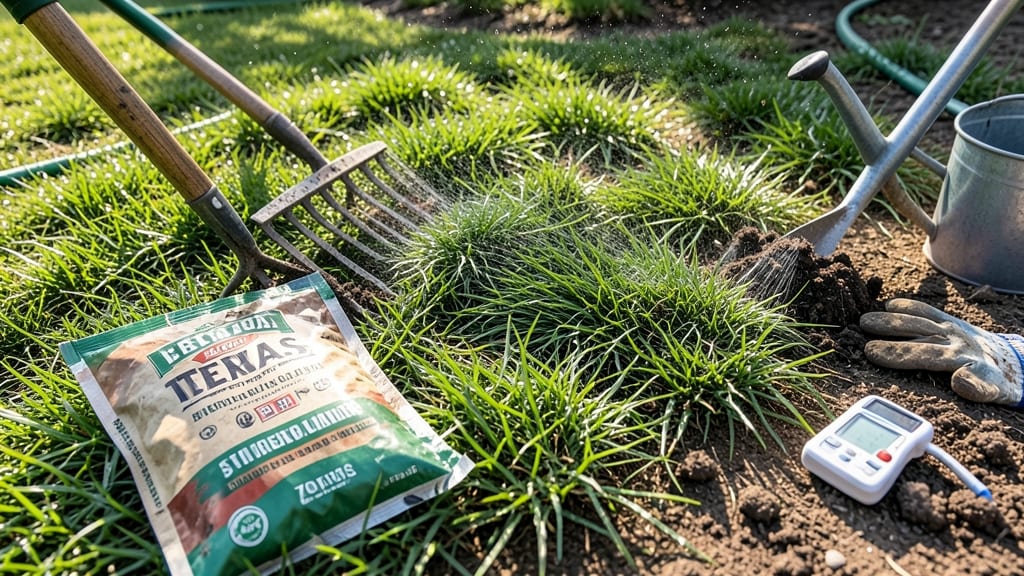
To plant grass seed in Texas, aim for late summer through early fall when soil temperatures drop below 80°F and rainfall becomes consistent—this 6-week window is your best shot at deep roots before winter.
Texas homeowners know the struggle: plant too early, and scorching summer heat turns seed into crispy straw; too late, and winter freezes stunt growth. But timing isn’t just about seasons—it’s about a 6-week fall window that transforms weak grass into drought-resistant turf.
Why fall? Cool evenings and warm days create ideal conditions for seed germination, while avoiding the extreme heat of summer or the unpredictable freezes of winter. In 8a-10a zones, this means targeting September 15 to October 31—but regional differences matter.
Below, I’ll break down the exact planting calendar for North vs. South Texas, the best grass varieties for your climate, and how to avoid the 5 biggest mistakes that ruin lawns before they even start.
Texas grass seed planting calendar: the 6-Week fall window explained
Texas homeowners know the struggle: plant grass seed too early, and scorching summer heat turns it into crispy straw; too late, and winter freezes stunt growth. But timing isn’t just about seasons—it’s about a 6-week fall window that transforms weak grass into deep-rooted, drought-resistant turf.
This period, from September 15 to October 31, aligns perfectly with Texas’ soil temperatures and rainfall patterns, giving seeds the ideal conditions to establish strong roots before winter.
Why fall? Cool-season grasses like Tall Fescue and Kentucky Bluegrass thrive when temperatures drop below 80°F, while warm-season grasses like Bermuda and Zoysia benefit from early fall moisture to prepare for winter dormancy.
This window also avoids the competition from summer weeds and extreme heat stress that plague spring planting.
Here’s the breakdown by Texas regions, including soil temperature thresholds, rainfall triggers, and hard deadlines for preparation:
The 6-week window isn’t arbitrary—it’s tied to soil temperatures dropping below 80°F and rainfall patterns shifting from summer droughts to more consistent moisture. In North Texas, where frost can arrive as early as December 1, aim for September 20–October 15 to give seeds time to establish before winter.
Meanwhile, South Texas can push closer to October 31 thanks to its milder winters.
Don’t wait until the last minute! Soil testing and herbicide application must happen 2–4 weeks before planting.
For example, if you’re in Central Texas and want to plant by October 1, schedule your soil test by August 25 and apply pre-emergent herbicide by September 1 to kill weeds before seeding.
Skipping this step means competing with weeds for water and nutrients, which can stunt your grass’s growth.
One of the biggest mistakes Texas gardeners make is planting too early in late summer when soil temps are still above 85°F. At these temperatures, seeds won’t germinate properly, and seedlings are vulnerable to heat stress and drought.
The fall window ensures seeds germinate in cooler, more stable conditions, allowing roots to establish deeply before winter. This deep root system is what makes Texas lawns drought-resistant and long-lasting.
Regional rainfall patterns also play a critical role. In North Texas, where summers are drier, aim for 1–1.5 inches of rain per week during the planting window.
If natural rainfall isn’t consistent, set up a drip irrigation system to water deeply 2–3 times per week until the grass is established. In South Texas, where humidity is higher, you may need to water less frequently but still ensure the top 2 inches of soil stay moist.
Why does this window beat spring planting? Spring in Texas brings unpredictable weather, from late freezes to sudden heatwaves. Fall planting avoids these extremes, giving seeds a steady, stress-free start. Plus, fall-planted grass enters winter with a strong root system, ready to
Grass seed varieties for Texas: best types by planting time and climate zone
Choosing the right grass seed for Texas means balancing climate extremes and planting seasons. Cool-season grasses like Tall Fescue and Kentucky Bluegrass thrive in fall’s mild temps, while warm-season varieties such as Bermuda and Zoysia dominate summer.
The key? Planting cool-season grasses in September-October and warm-season varieties in late spring for optimal root growth.
Texas spans USDA zones 8a-10a, so your choice depends on whether you’re in North Texas (cooler winters) or South Texas (warmer year-round). Hybrid varieties like ‘Tifway 419’ Bermuda or ‘Titan’ Tall Fescue are engineered to handle Texas’ drought and heat stress, making them top picks for homeowners.
Mixing types can also create year-round greenery—cool-season grasses stay green in winter, while warm-season types take over in summer.
Cool-Season Grasses (Fall Planting)
| Type | Pros | Cons |
|---|---|---|
| Tall Fescue | Drought-resistant, shade-tolerant, deep roots | Goes dormant in summer heat |
| Kentucky Bluegrass | Soft texture, good for play | Weak drought tolerance, needs frequent mowing |
Warm-Season Grasses (Spring Planting)
| Type | Pros | Cons |
|---|---|---|
| Bermuda (e.g., ‘Tifway 419’) | Extreme heat/drought tolerance, fast recovery | Can be invasive, needs frequent mowing |
| Zoysia | Low-maintenance, shade-tolerant | Slow to establish, goes brown in winter |
For North Texas, where winters dip below freezing, Tall Fescue blends are ideal—they stay green longer and handle shade better than Bermuda. In Central and South Texas, hybrid Bermuda like ‘Tifway 419’ dominates due to its drought resistance and fast germination (just 7-10 days!).
If you’re in a shady yard, consider Fine Fescue mixes or St. Augustine, though the latter struggles in North Texas winters.
Establishment speed varies wildly: Bermuda sprouts in 7-10 days but needs consistent watering for the first 3 weeks, while Tall Fescue takes 14-21 days but thrives with less frequent watering once rooted.
Pro tip: Mix 50% Bermuda with 50% Tall Fescue for a lawn that stays green year-round—Bermuda handles summer, Fescue handles winter.
Don’t overlook soil prep before planting. Texas clay soils need amendments like compost or sand to improve drainage, while sandy soils benefit from orgainc matter to retain moisture.
Test your soil’s pH (6.0-7.0 ideal) and adjust with lime (for acidic soil) or sulfur (for alkaline soil) at least 4-6 weeks before seeding.
Finally, watering strategy makes or breaks success. New grass needs 0.5-1 inch of water weekly, but deep, infrequent watering (2-3 times per week) encourages deeper roots. Avoid overwatering, which leads to fungal diseases like brown patch—especially risky in Texas’ humid summers.
For best results, water early morning (4-8 AM) to reduce evaporation and fungal risk.