
Plants
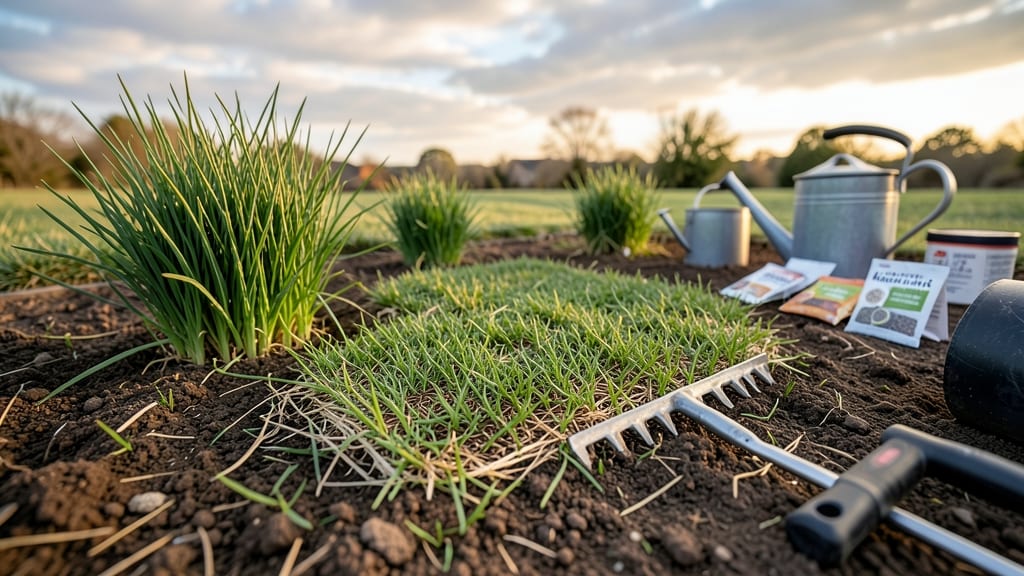
Planting grass seed in spring in Nebraska depends on soil warmth and frost dates — aim for after April 15 when daytime temps consistently hit 50°F or higher.
Nebraska’s unpredictable spring weather can turn a perfect lawn into a muddy mess if you plant grass seed too early—or miss the window entirely. Timing isn’t just about the calendar; it’s about soil temperature, moisture, and avoiding late frosts that can kill your seedlings.
Most of the state sees its last frost around mid-April, but western Nebraska (like 5a zones) can linger colder until May. The key is waiting until the ground stays above 50°F for at least a week—cold soil slows germination and invites disease.
Here’s how to check your soil’s readiness, the best seed varieties for Nebraska’s climate, and a step-by-step timeline to avoid common mistakes that derail spring lawns.
Best soil temperature and weather conditions for Nebraska grass seed planting
Nebraska’s spring weather swings from freezing nights to scorching afternoons, making soil temperature the most critical factor for successful grass seed germination. Aim for soil temps between 50-60°F—this range ensures seeds sprout consistently without rotting from cold, wet soil.
Use a soil thermometer (inserted 2-3 inches deep) to check daily, especially in March and April when Nebraska’s last frost dates vary wildly by region.
Western Nebraska’s Panhandle region (USDA Zone 5a) often warms faster, hitting ideal temps by mid-April, while Omaha and Lincoln (Zone 5b-6a) may not reach 50°F until late April.
Eastern Nebraska’s clay-heavy soils retain cold longer, so delay planting until soil tests consistently warm. Never plant before the last frost—even hardy cool-season grasses like Kentucky Bluegrass can’t survive freezing soil.
| Region | Ideal Planting Window | Soil Temp Goal | Key Risk |
|---|---|---|---|
| Panhandle (Scottsbluff, Alliance) | Mid-April to early May | 50-60°F (soil) | Late frost (May 1-10) |
| Central (Omaha, Lincoln) | Late April to mid-May | 55-60°F (soil) | Clay soil compaction |
| Eastern (Sioux City, Norfolk) | Early May to early June | 50-55°F (soil) | Excess moisture |
For sandy soils common in Western Nebraska, warm up faster but dry out quicker—plant cool-season grasses like Tall Fescue when soil hits 50°F and water immediately after seeding. Clay soils in Eastern Nebraska hold moisture longer, delaying planting until soil reaches 55°F to prevent seed rot.
Test soil moisture by grabbing a handful: if it forms a loose ball but crumbles easily, it’s ready. If it sticks together, wait 1-2 weeks.
Nebraska’s variable rainfall adds another layer of complexity. Plant when forecasts show 1-1.5 inches of rain within 7 days—this ensures seeds stay moist for germination. In drought-prone years, use a light mulch (straw, not hay) to retain moisture without smothering seedlings.
Avoid planting during prolonged dry spells or after heavy rains, which can wash seeds away or create muddy, compacted soil.
Watch for late-season frosts, which can occur as late as May 10 in the Panhandle.
Use frost blankets or row covers for the first 2 weeks if nighttime temps dip below 32°F. Warm-season grasses like Bermuda won’t tolerate cold soil, so save them for late May plantings in Southern Nebraska.
Cool-season grasses (Kentucky Bluegrass, Fine Fescue) are your best bet for spring, as they germinate in 4-14 days at ideal temps.
Adjust your planting timeline if Nebraska’s unpredictable spring storms delay soil warming. For example, if a late April freeze hits Lincoln, wait until soil tests at 55°F before seeding. Never rush—waiting a week or two for perfect conditions beats struggling with weak, patchy germination.
Use a seed starter fertilizer (high in phosphorus) to boost root growth once soil is ready, and keep the area weed-free with pre-emergent herbicide applied 2 weeks before planting.
Monitor humidity levels too—high humidity in May can encourage fungal diseases like dollar spot. Space out watering sessions to morning hours only (before 10 AM) and avoid overhead sprinklers.
If your lawn area has poor drainage (common in low-lying spots), consider raised beds or amending soil with compost or sand to improve aeration. This is especially critical in Omaha’s clay-heavy zones, where water pools and seeds suffocate.
Pro tip: Plant cool-season grasses in early fall (September-October) for a second chance at a lush lawn. Fall plantings benefit from cooler soil temps (60-70°F) and consistent rainfall, reducing the need for constant watering.
Just like spring, test soil temps first—fall’s ideal window is 60-70°F, which Nebraska typically hits by mid-September in most regions.
Remember, Nebraska’s microclimates mean your neighbor’s perfect timing might not work for you. Check local weather stations (like those at UNL’s West Central Research Station) for real-time soil data, and don’t hesitate to delay planting if conditions aren’t ideal.
A well-timed lawn is worth the wait—your grass will thank you with deep roots, vibrant color, and year-round resilience.
Step-by-step planting timeline: when to act in Nebraska’s 3 key regions
Nebraska’s three distinct regions—Western, Central, and Eastern—each have unique microclimates that dictate the best time to plant grass seed. In the Panhandle (Western), where drought is common, aim for early April when soil warms faster.
Meanwhile, Omaha and Lincoln (Central) benefit from planting in late March to early April, while Eastern Nebraska (like Norfolk) can start as early as mid-March due to milder springs. Always check for soil temperatures of 50-60°F before planting.
Cool-season grasses like Kentucky Bluegrass and Tall Fescue thrive when planted in spring or early fall, while warm-season grasses like Bermuda (rare in Nebraska) prefer late spring. For most homeowners, spring planting is ideal because it gives grass a head start before summer heat.
However, if your spring is delayed by unseasonable rains, don’t panic—just wait until the soil is workable and not waterlogged.
🌱 Nebraska Grass Planting Timeline by Region
- 📅 March (Eastern NE only): Test soil—it should be 45-50°F. Plant cool-season grasses like Kentucky Bluegrass if no frost is forecasted for 2 weeks. Backup date: April 1 if soil is too cold.
- 📅 Late March (Central NE): Ideal for Tall Fescue and Fine Fescue. Aerate soil and apply starter fertilizer (10-10-10). Backup date: April 10 if rains delay planting.
- 📅 Early April (Western NE): Wait for soil to reach 55°F+. Use drought-resistant grasses like Buffalograss. Backup date: April 25—delaying risks summer drought stress.
- 📅 Mid-April (All Regions): Final planting window for spring. Rake seeds into soil and cover with ¼-inch of compost. Water lightly to settle seeds.
- 💧 Post-Planting (All Regions): Water daily for 2-3 weeks (1-1.5 inches/week). Reduce to 2-3x/week once grass is 3 inches tall. Avoid walking on new grass for 4-6 weeks.
🌿 Pro Tip: Use a soil thermometer to check depth—2 inches deep is the critical zone for seed germination.
Before planting, prepare your soil properly. Start with core aeration if your lawn has compacted soil, especially in high-traffic areas. Follow up with a light application of compost (½ inch) to improve moisture retention.
For clay-heavy soils (common in Eastern NE), mix in sand or peat moss to enhance drainage. In sandy soils (Western NE), add organic matter to hold moisture.
Choose your grass seed blend based on your region’s challenges. Western Nebraska needs drought-tolerant mixes like Buffalograss or Western Wheatgrass, while Central and Eastern regions can handle Kentucky Bluegrass or Tall Fescue for lush, green lawns.
If you’re unsure, ask your local cooperative extension office for region-specific recommendations. They’ll consider your sun exposure, soil type, and even local wildlife (like deer pressure).
Don’t wait until May to plant—by then, weeds like crabgrass will outcompete your grass seedlings. If you miss the spring window, fall planting (September) is your next best option. Just remember: seed depth matters.
Plant no deeper than ¼-inch—any deeper, and your seeds won’t have enough energy to break through the soil. Lightly rake after planting to ensure good seed-to-soil contact.
Once your grass is established, mow high (3-4 inches) to encourage deep roots and shade out weeds. In Western Nebraska, mow less frequently due to drought conditions, while Eastern regions can handle more frequent mowing.
Fertilize in early spring (March-April) with a high-nitrogen starter (24-0-5) to jumpstart growth, then switch to a balanced fertilizer (10-10-10) in late spring. 🌱