
Plants
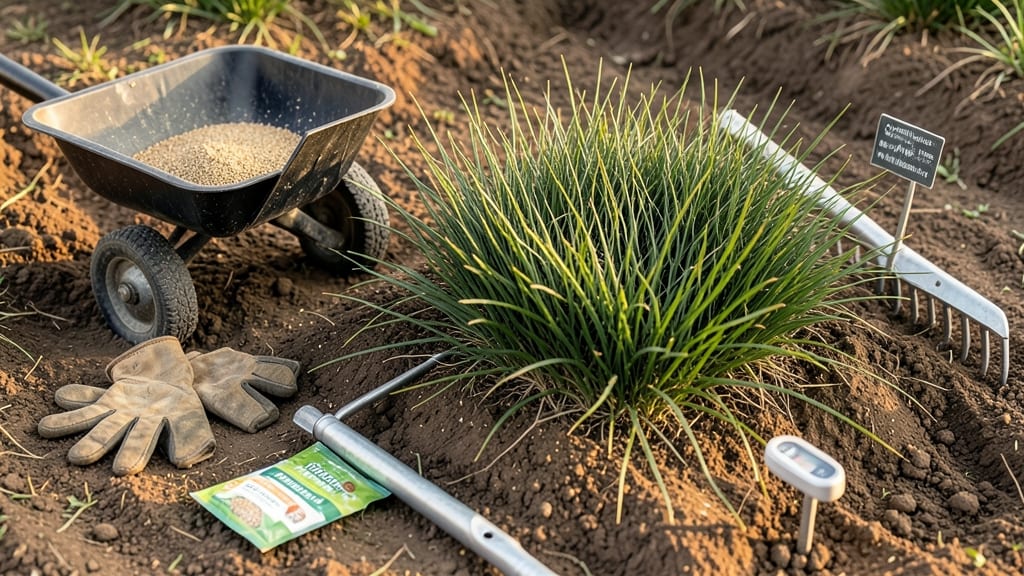
Planting grass seed in Michigan’s spring means timing it right—soil temps must stay above 50°F for 5 days before seeding, and you’ve got to beat the last frost, which hits mid-April in most zones.
Get this wrong, and you’re staring at a lawn full of wasted seeds or seedlings that shrivel overnight. Michigan’s weather throws curveballs: one week of unseasonable warmth can fool you into planting too early, while a late frost can turn your fresh seeds into a sad, frozen snack.
This guide cuts through the guesswork with region-specific deadlines, soil temp charts, and pro tips to extend your window—whether you’re seeding in the Upper Peninsula’s cooler climate or Metro Detroit’s urban heat islands.
You’ll learn how to adjust for your grass type, spot the 5 signs you planted too soon, and keep your lawn lush from the first green shoot.
Michigan’s ideal soil temperature & frost-free deadlines for spring grass seed planting
Michigan’s spring weather is famously unpredictable—one day you’re shoveling snow, the next you’re sweating through a heatwave. For grass seed to germinate successfully, you need soil temperatures between 50°F and 65°F, paired with consistent frost-free conditions.
Plant too early, and a late frost will wipe out your tender seedlings. Too late, and summer heat can stress young grass before it establishes. The key? Knowing your region’s last average frost date and soil warming trends.
Cool-season grasses like Kentucky bluegrass and tall fescue dominate Michigan lawns, thriving when soil temps hit 55°F–60°F. Warm-season grasses like Bermuda or zoysia prefer 70°F+ soil, making them better for late spring/early summer planting.
But most Michigan gardeners focus on cool-season varieties, so timing your seed around late April to early May is ideal for most areas—except the Upper Peninsula, where frosts linger longer.
If you’re in the Upper Peninsula, wait until mid-May to plant—late frosts are common even in May.
For the Lower Peninsula, aim for mid-April to early May, but check your local Almanac frost-free date for precision. Metro Detroit gardeners can start as early as late March, thanks to urban heat retention, but be ready to protect seedlings with frost cloth if nights dip below 32°F.
Soil temperature is just as critical as frost dates. Use a soil thermometer ($10–$15 at garden centers) to confirm your soil is consistently above 50°F before planting.
If temps fluctuate, wait—cool nights can stall germination. Black plastic mulch or straw mulch can warm soil by 5–10°F if you’re eager to plant early in cooler regions like the UP.
Pro tip: Overseeding in September is another smart strategy for Michigan lawns. Fall planting avoids summer heat stress and gives grass time to establish before winter. But for spring, stick to the soil temp + frost-free rule—it’s your best bet for a lush, even lawn.
Don’t forget: Watering is non-negotiable after planting. Keep soil moist (not soggy) for the first 2–3 weeks—that’s when roots establish. Use a sprinkler on a timer set for 10–15 minutes daily in the morning to avoid fungal issues.
Once grass reaches 3–4 inches, you can ease up to 2–3 times per week.
For high-risk areas (like Traverse City or the UP), consider a two-step approach: Plant winter ryegrass in early spring as a temporary cover, then overseed with your permanent grass seed in late spring. This buys you extra protection against frost and erosion while you wait for ideal conditions.
Timing your grass seed right in Michigan isn’t rocket science—it’s about reading the soil, respecting frost patterns, and adapting to your microclimate. With these guidelines, you’ll avoid the heartbreak of wasted seed and patchy
How to adjust your planting timeline for Michigan’s microclimates & grass seed types
Michigan’s diverse geography—from the Upper Peninsula’s cooler climate to Metro Detroit’s urban heat islands—means your grass seed planting timeline should shift based on location and grass type. Cool-season grasses like Kentucky bluegrass and fescue thrive when planted in early spring (March–April), while warm-season grasses such as Bermuda and zoysia need late spring/early summer (May–June).
Even within the same region, elevation and lake-effect zones (like near the Great Lakes) can delay or accelerate your ideal window by 2–4 weeks.
For example, Traverse City’s late frosts may push your cool-season planting back to mid-April, while Grand Rapids’ urban heat can let you start Kentucky bluegrass as early as late March.
Meanwhile, warm-season grasses in Southeast Michigan might germinate too slowly if planted after June 1, thanks to summer heat. Understanding these microclimates ensures your grass establishes strong roots before stress from summer drought or fall frosts.
Cool-Season Grasses (Kentucky Bluegrass, Fescue)
Pros
- ✅ Early spring planting (March–April) avoids summer heat stress
- ✅ Thrives in cooler temps (50°F–65°F soil)
- ✅ Frost-tolerant seedlings survive light freezes
Cons
- ❌ Late frosts (after April 15) can kill young shoots
- ❌ Slow germination in cold, wet soil
- ❌ Needs consistent moisture to prevent dormancy
Warm-Season Grasses (Bermuda, Zoysia)
Pros
- ✅ Late spring planting (May–June) aligns with warmer soil
- ✅ Drought-tolerant once established
- ✅ Heat-loving varieties thrive in urban heat islands
Cons
- ❌ Struggles in cool soil (<55°F)
- ❌ Slow to germinate if planted before May 15
- ❌ Requires patience—full coverage takes 6–12 months
If you’re in a transition zone (like Northern Michigan with lake-effect cooling), consider a two-step approach: plant cool-season grass in March–April and warm-season grass in late May.
For high-elevation areas (e.g., Houghton), delay planting until soil temps hit 55°F consistently, which might be late April or even early May. Use a soil thermometer to track—this is your #1 tool for success.
For urban gardens, asphalt and concrete can create micro heat islands that warm soil faster. Test your soil in morning shade—if it’s already 60°F by April 1, you can plant warm-season grass 2 weeks early.
Conversely, shady yards near wooded areas may need to wait until May 1 to avoid seed rot from lingering dampness.
Pro tip: If your local weather forecast predicts a late frost after you’ve planted, cover seeds with a lightweight frost blanket (remove during the day). This extends your planting window by 2–3 weeks without risking damage.
Pair this with mulch to retain moisture and warmth—a ¼-inch layer of straw can make all the difference in cool, wet springs.
Remember, Michigan’s grass seed success hinges on three key factors: soil temperature, microclimate, and grass type. By adjusting your timeline based on these variables, you’ll outpace patchy lawns and achieve a lush, uniform result—no matter where you garden in the Great Lakes State. 🌱🌿