
Companion Plants
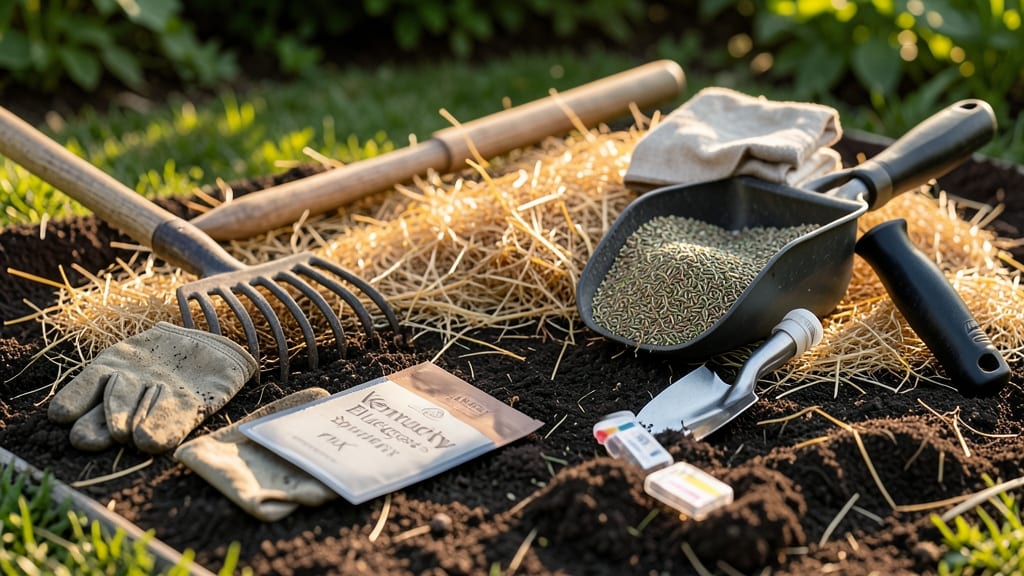
Planting grass seed in Pennsylvania’s spring means timing it right—soil warmth and frost-free dates are the key to strong germination and a lush lawn.
If you’ve ever rushed to plant too early and watched your grass seed wash away in a spring rain or freeze under a late frost, you know how critical the window is.
Pennsylvania’s climate varies wildly from the cool mountains of the north to the milder south, so one planting date doesn’t fit all.
Most of the state’s USDA Zone 6a sees its last frost around mid-April, but soil needs to warm to at least 50°F before seeds sprout reliably. That means waiting until early May in many areas—especially if you’re dealing with heavy clay or rocky soil that stays cold longer.
In this guide, I’ll break down the exact frost-free timelines by region, the best grass seed varieties for your zone, and the three biggest mistakes that kill germination before it starts. By the end, you’ll know exactly when to plant for a thick, healthy lawn that lasts all season.
Pennsylvania spring planting zones: when soil warms enough for grass seed
Pennsylvania's diverse climate means your grass seed timing depends heavily on your USDA zone and soil temperature. From the cooler Zone 5a in the north to Zone 7a in the south, understanding these factors ensures your new lawn thrives.
According to Penn State Extension, the ideal window is when soil reaches 55°F+ and stays frost-free for at least 2-3 weeks.
In northern PA (Zones 5a-5b), you'll often wait until mid-April to early May when daytime temperatures consistently stay above 60°F. Southern regions (Zones 6a-7a) can start as early as late March, but always verify with local frost data.
The key is balancing soil warmth with frost risk—planting too early can kill tender seedlings.
Why soil temperature matters: Grass seeds need 55-65°F soil to germinate properly. Cooler soils (below 50°F) slow growth, making seedlings vulnerable to disease and frost. Use a soil thermometer to check depth (2-3 inches down) before planting. If your soil is still chilly, wait another week or two.
Penn State Extension recommends planting 4-6 weeks after your average last frost date. This gives your lawn time to establish roots before summer heat arrives. For example, in Pittsburgh (Zone 6a), the average last frost is April 15, making mid-May the safest planting window.
In Philadelphia (Zone 7a), you can start as early as late March.
If you're unsure about your exact last frost date, check the Penn State AgWeather Network for real-time updates. Their frost prediction maps show high-risk areas in purple—avoid planting if your zone is highlighted.
Pro tip: Plant perennial ryegrass first in cooler zones—it germinates faster (5-10 days) than Kentucky bluegrass (14-21 days).
For northern PA gardeners, consider a two-step approach: sow ryegrass first (early April) for quick cover, then overseed with fescue or bluegrass in late April when soil warms. This reduces erosion and gives you a fuller lawn faster.
In southern PA, you can plant all varieties together in late March, but monitor for heat stress after germination.
One common mistake is relying on air temperature instead of soil temperature. A 70°F day doesn’t mean your soil is ready—use a soil thermometer (available at garden centers for $10-$15) to confirm.
If your soil is still below 55°F, wait. Patience here prevents seed rot and poor germination. For a quick test, press your hand into the soil—if it feels cool to the
Best grass seed varieties for Pennsylvania spring planting by Zone
Pennsylvania’s diverse climate—spanning USDA zones 5a to 7a—means your grass seed choices should match both your local frost dates and soil warmth. Cool-season grasses dominate here, but warm-season options like Bermuda grass thrive in southern PA’s hotter summers.
For spring planting, focus on Kentucky bluegrass, tall fescue, and perennial ryegrass, which establish roots quickly when soil hits 50–55°F.
Northern PA (zones 5a–6a) favors Kentucky bluegrass for its cold hardiness, while southern PA (zones 6b–7a) benefits from tall fescue’s drought tolerance. Perennial ryegrass germinates fastest—ideal for early spring—while fine fescue excels in shadier areas.
Timing is critical: plant 4–6 weeks before your average last frost date (typically mid-April to early May in most of PA) to avoid frost damage.
For northern PA (Pittsburgh, Erie), prioritize Kentucky bluegrass mixes with 10–20% perennial ryegrass for faster coverage. In central PA (Harrisburg, State College), blend tall fescue with fine fescue to handle partial shade.
Southern PA (Philadelphia, Lancaster) can handle Bermuda grass for summer heat, but plant it after Memorial Day when soil warms above 65°F.
Pro tip: Test your soil’s pH (6.0–7.0 ideal) before planting. Lime raises pH, while sulfur lowers it. Overlap seeding—plant perennial ryegrass first (fast cover), then Kentucky bluegrass or tall fescue for long-term health. Keep seedbeds moist (1/4 inch water daily) until germination completes to prevent crusting.
If you’re in zone 7a (southwest PA), consider warm-season grasses like Zoysia for summer lawns, but plant them in late spring (May–June) when soil is consistently warm. Cool-season grasses will still outperform in fall, so mix varieties for year-round green.
Remember: Spring planting success hinges on soil prep, seed selection, and consistent moisture. Start with a soil test, amend as needed, and choose seeds tailored to your microclimate—whether it’s urban heat islands or rural shade.
Your lawn’s future starts with the right seed in the right window! 🌱