
Plants
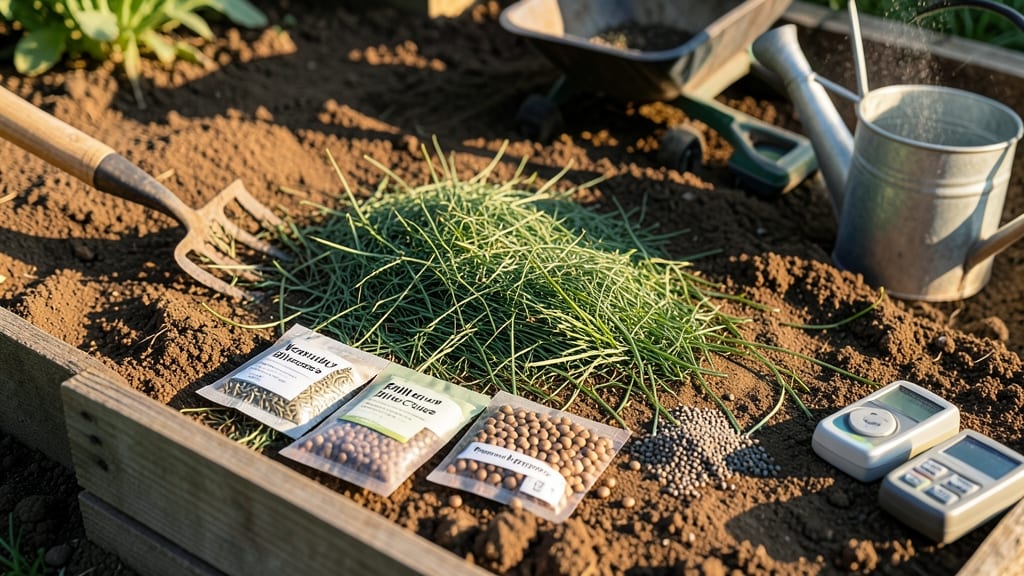
Planting grass seed in Pennsylvania at the right time means cooler soil temperatures between 50°F and 65°F—the sweet spot for cool-season grasses like Kentucky Bluegrass and Tall Fescue.
Pennsylvania’s unpredictable spring and fall weather can turn a perfect grass seed planting window into a gamble—unless you know the exact soil temperature and timing rules for Zones 6-7. One week too early or late, and you risk weak germination, weed competition, or even seed rot.
Most gardeners in Pennsylvania get the best results by planting in early fall (September-October), when soil stays warm enough for roots to establish before winter. Spring planting (March-April) works too, but timing must align with soil thawing and last frost dates—miss it, and summer heat stresses young grass.
Below, I’ll break down the science behind ideal planting windows, how to read your soil’s temperature cues, and the 5 critical mistakes that ruin grass seed success in Pennsylvania—plus the best seed varieties for your region.
Pennsylvania grass seed planting timeline by soil temperature (Zone 6-7 guide)
Timing your grass seed planting in Pennsylvania isn't just about the calendar—it's about soil temperature. Cool-season grasses like Kentucky Bluegrass and Tall Fescue thrive when soil hits 50°F-65°F, while warm-season Bermuda Grass needs 60°F-75°F.
Eastern PA's cooler microclimates (like Poconos) may need adjustments compared to western regions like Pittsburgh or Erie.
Fall planting (early September to mid-October) gives seeds 6-8 weeks to establish before winter, while spring planting (late March to early May) risks drought stress if summer heat arrives early. The key? Monitor soil temps with a soil thermometer—not just air temps—since they can differ by 10°F+.
Here’s how Pennsylvania’s Zone 6-7 regions break down for optimal planting:
For Zone 6-7 gardeners, early September is the sweet spot for cool-season grasses. Use a 7-day forecast checklist to time your planting: Wait until 3 consecutive days of 55°F+ air temps and 50°F+ soil temps.
In western PA, where summers are hotter, shift your window 1-2 weeks earlier than eastern regions like Philadelphia.
Pro tip: Water deeply 2–3 times daily for the first 2 weeks after planting to maintain consistent moisture. A light mulch (straw or peat moss) helps retain soil warmth and prevents crusting. Avoid overwatering, which can wash seeds away or cause fungal diseases like damping off.
If you’re in Zone 7 (southern PA), extend your fall window to early November—just ensure seeds germinate 4–6 weeks before the first frost. For Zone 6, aim to finish by mid-October to avoid winter stress.
Always check local frost dates—Pittsburgh’s first frost can arrive 2 weeks earlier than Allentown.
Use this soil temp rule: For every 10°F drop below 50°F, germination slows by 50%. If your soil thermometer reads 45°F, wait 1–2 weeks or use a black plastic mulch to warm the soil 5–10°F faster.
For warm-season grasses, time planting for late May in western PA or early June in eastern PA. These grasses need consistent warmth to establish—planting too early risks spring frost damage, while planting too late leaves them vulnerable to summer drought.
Remember: Soil temperature > air temperature. A 70°F day might hide 55°F soil—always check with a soil thermometer (insert it 2–3 inches deep). This small step can mean the difference between a lush lawn and bare patches.
🌱
5 Critical mistakes that ruin grass seed germination in PA (and how to avoid them)
Planting grass seed in Pennsylvania’s clay-heavy soils and unpredictable weather can turn your dream lawn into a frustrating gamble. Even experienced gardeners fall into common traps that derail germination—like timing it wrong or skipping soil prep.
I’ve seen 5 critical mistakes that kill grass seed success, and I’m sharing how to avoid them.
The biggest mistake? Planting when the soil temperature is too cold or too hot. Cool-season grasses like Kentucky Bluegrass need 50°F-65°F soil, while warm-season types like Bermuda crave 60°F-75°F. In PA’s Zone 6-7, that means September-October for fall planting or late April-early May for spring.
⚠️ callout warning
PA’s spring frost risks and fall’s early freezes can trap tender seedlings. Check soil temps with a soil thermometer—if it’s below 50°F, wait. If above 75°F, delay until cooler weather. Pro Tip: Use the 7-day forecast to avoid planting before rain or heatwaves.
Another silent killer? Skipping soil preparation. Pennsylvania’s famous clay soils compact easily, smothering new roots. Before planting, loosen the top 4-6 inches with a tiller or rake, then mix in 2-3 inches of compost. This improves drainage and gives seedlings the nutrients they need to sprout fast.
Don’t overlook mulching after planting. A thin layer of straw or peat moss retains moisture and protects seeds from drying out. Without it, seeds can bake in the sun or wash away during PA’s unpredictable rain patterns.
I’ve seen seedling survival rates drop by 40% when mulch is skipped—don’t let that happen to your lawn!
Overwatering is just as bad as underwatering. New grass seeds need consistent moisture, but soggy soil suffocates roots. Water lightly 2-3 times daily for the first week to keep seeds damp, then taper to 1 inch per week. Use a sprinkler with gentle mist to avoid displacing seeds.
Finally, choosing the wrong seed mix for PA’s climate dooms success. Cool-season blends like Tall Fescue or Perennial Ryegrass handle our hot summers and cold winters, while warm-season types struggle. Always pick a PA-specific blend labeled for your region’s USDA Zone.