
Plants
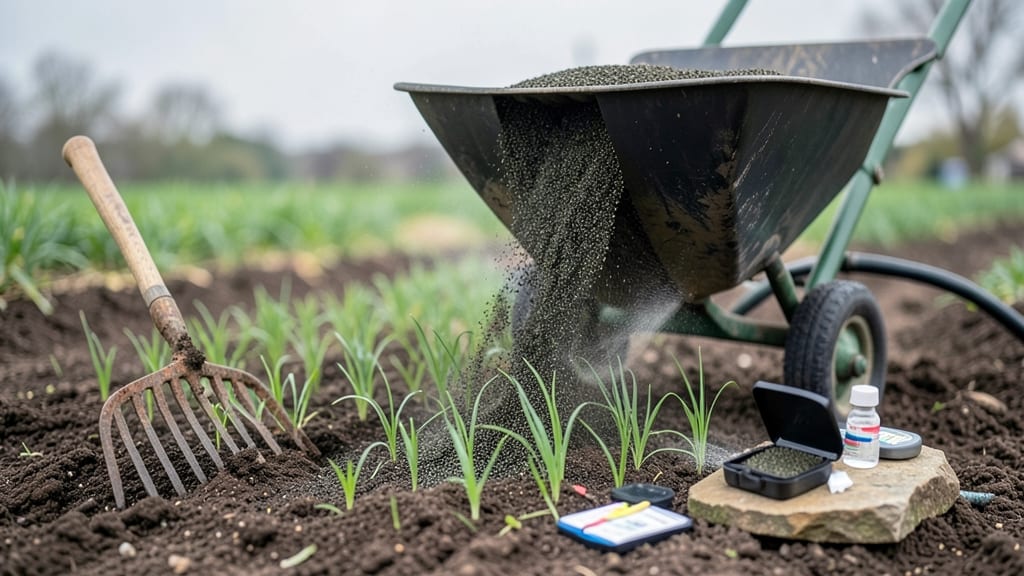
Planting grass seed in Pennsylvania at the right time means the difference between a thick, green lawn and a patchy, weed-infested mess 🌱 — and these science-backed months are the key to success.
Struggling to time it perfectly? Plant too early, and frost will kill your efforts; too late, and weeds take over. The right window depends on your region’s microclimate—and these months will give you a lush, weed-resistant lawn every time.
In Pennsylvania’s USDA zones 5b-7a, early spring (March–April) and early fall (September–October) are your best bets. But whether you’re in the cool mountains of the Northeast or the milder Southeast plains, local frost dates and soil temps make all the difference.
Below, I break down the exact planting schedule by region, soil prep secrets, and the top grass varieties that thrive in PA’s climate—so you can finally stop guessing and start growing.
Best months to plant grass seed in Pennsylvania by microclimate zone
Pennsylvania’s diverse geography means your grass seed timing should match your microclimate zone. The Keystone State spans USDA zones 5b-7a, creating distinct planting windows. Cool-season grasses like Kentucky Bluegrass and Tall Fescue dominate here, thriving when soil temps hit 50-65°F.
Warm-season Bermuda grass is rare but possible in southern PA—we’ll cover all scenarios.
Your last frost date (typically mid-April) and first frost (around mid-October) create a 160-day growing window. Plant too early, and frost zaps seedlings; too late, and weeds steal the show.
The ideal window is 4-6 weeks before last frost or early fall when temps drop to 60-75°F.
Here’s how to match your PA region to perfect planting months:
| Region | Best Spring Month | Best Fall Month | Soil Temp Threshold | Key Grass Varieties |
|---|---|---|---|---|
| Southeast (USDA 7a) | Late February - Early March | Late September - Early October | 55-65°F | Kentucky Bluegrass, Zoysia |
| Southwest (USDA 6b) | Early March - Mid-April | Mid-September - Late October | 50-60°F | Tall Fescue, Fine Fescue |
| Central (USDA 6a) | Mid-March - Early April | Late August - Early September | 48-58°F | Perennial Ryegrass Mix |
| Northeast (USDA 5b) | Late April - Early May | Early September - Mid-October | 45-55°F | Fine Fescue, Hard Fescue |
| Northwest (USDA 5a) | May (after frost risk) | Late August - September | 40-50°F | Creeping Red Fescue |
In the Southeast, where USDA zone 7a dominates, you can start as early as late February—just cover seeds with straw mulch if frost threatens.
The Southwest (zone 6b) follows a 6-week rule: plant 6 weeks before last frost (typically mid-April) or 6 weeks before first frost (late September).
Central Pennsylvania’s zone 6a demands patience—wait until soil temps hit 50°F (usually mid-March) to avoid seed rot. The Northeast (zone 5b) has the latest spring window due to late frost risks—hold off until after May 1 unless you’re using winter-hardy varieties like Hard Fescue.
For fall planting, aim to finish 4-6 weeks before first frost. In the Northwest (zone 5a), this means late August seeding. Test soil moisture—it should be damp but not soggy.
A simple squeeze test works: if soil holds shape when pressed, it’s ready. Overwatering in fall can suffocate seeds.
Regardless of region, avoid summer seeding—PA’s hot, dry summers create dormancy stress. If you must repair bare spots, use spring or fall plug grass instead.
For warm-season grasses (like Bermuda in the Southeast), plant when soil hits 70°F+ (late May), but these are not recommended for most PA lawns.
Pro tip: Check your local cooperative extension office for hyper-local frost data. Even within regions, elevation changes (like Poconos vs. Pittsburgh) shift planting by 1-2 weeks. For example, State College (zone 6a) may need 2 weeks later than Philadelphia (zone 7a).
Once you’ve nailed timing, prep soil properly: till to 3-4 inches deep, rake to a fine texture, and add compost for organic matter. The right soil prep ensures 70% germination rates—double what you’ll get with rushed planting. Don’t skip this step! 🌱
How to prepare your soil for maximum grass seed germination in PA
Preparing your soil correctly is the foundation for a thick, healthy lawn in Pennsylvania. Without proper prep, even the best grass seed varieties struggle to germinate and establish roots. The key lies in creating a loose, nutrient-rich environment that retains moisture while allowing airflow to the seeds.
Start by testing your soil pH—the ideal range for most cool-season grasses in PA is between 6.0 and 7.0.
If your soil tests outside this range, you’ll need to amend it with lime (for acidic soil) or sulfur (for alkaline soil) at least 2-3 months before seeding to avoid shocking the roots.
⚠️ WARNING: Timing is Critical for Soil Prep ⚠️
Don’t: Till when soil is frozen or waterlogged—this destroys soil structure and compacts it further. Never skip aeration if your lawn has thatch thicker than ½ inch, as this blocks seed-to-soil contact.
Do: Test soil 6-8 weeks before planting to give amendments time to work. Always rake after tilling to create a fine, crumbly texture for seeds.
Pro Tip: Pennsylvania’s spring thaw (March-April) is the best time to aerate compacted lawns, but wait until soil warms to 50°F+ before seeding.
Next, till the soil to a depth of 3-4 inches to break up compaction and incorporate organic matter. If your soil feels dense or clay-heavy, mix in 2-3 inches of compost or well-rotted manure to improve drainage and fertility.
For sandy soils, add peat moss or coconut coir to help retain moisture.
For compacted lawns, aeration is non-negotiable. Use a core aerator to pull out ½-inch soil plugs every 3-4 inches across the area. This creates channels for roots and water, which is especially critical in PA’s heavy clay soils common in regions like Pittsburgh and Philadelphia.
After tilling and aerating, create a smooth seedbed by raking the soil into a fine, level surface. Remove any debris, rocks, or weeds—even small clumps can block sunlight and moisture from reaching your seeds. This step is your last chance to ensure an even, obstacle-free surface for germination.
Finally, lock in moisture by applying a thin layer of straw mulch (¼ inch) after seeding. This protects seeds from drying out and keeps soil temperatures stable. Water gently but thoroughly to settle seeds into the soil, aiming for 1 inch of water per week during germination.
Consistency is key—uneven moisture leads to patchy lawns.