
Plants
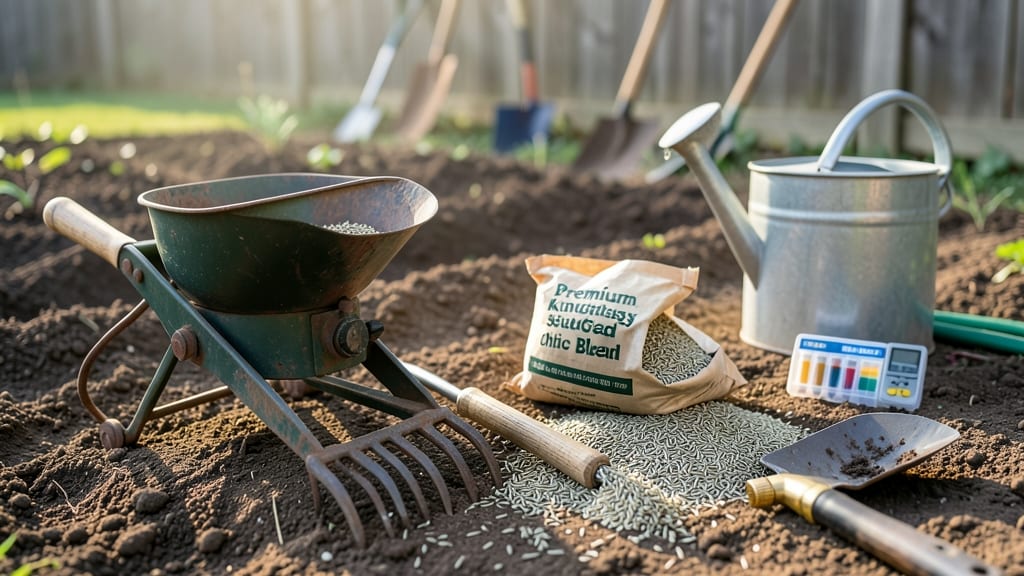
Planting grass seed in Ohio at the right time means the difference between a fast, lush lawn and a patchy mess that freezes before it takes hold.
If you’ve ever stared at a half-dead lawn in May or watched frost nip your seedlings in October, you know timing is everything. Ohio’s 6a zone gives you two narrow windows—early spring and early fall—where soil temps and moisture align for success.
Most gardeners miss the best months (March–April or September–October) because they focus on calendar dates instead of frost timelines. I’ll show you how to read your local forecast, prep soil for quick germination, and avoid the pitfalls that turn your seed into mulch.
By the end, you’ll know exactly when to plant for a thick, green lawn before frost hits—no guesswork, just results.
Best months to plant grass seed in Ohio (with frost timeline)
Ohio’s variable climate and frost dates make timing critical for grass seed success. Most lawns thrive with cool-season grasses like Kentucky bluegrass or tall fescue, which need ideal soil temps between 50°F–70°F to germinate. Planting outside this window risks poor establishment or frost damage before roots take hold.
Your best windows are early spring (March–April) and early fall (September–October), when soil is warm but air temps are mild. Spring planting lets grass establish before summer heat, while fall gives roots time to strengthen before winter.
Avoid planting in late summer or winter, when extreme temps or dormancy slow germination.
Ohio’s USDA Zone 6a means average last frost dates range from mid-April (north) to early April (south), while first frosts hit mid-October (north) to late October (south). Plan accordingly—6–8 weeks before frost is your sweet spot for fall planting.
| Planting Window | Soil Temp (°F) | Air Temp (°F) | Grass Type | Key Consideration |
|---|---|---|---|---|
| Early Spring (March–April) | 50–65°F | 45–60°F | Cool-season (Kentucky bluegrass, tall fescue) | Avoid planting too early—soil may still be cold. |
| Late Spring (May) | 60–75°F | 65–80°F | Warm-season (Bermuda, Zoysia) | Risk of drought stress—water deeply. |
| Early Fall (September–October) | 55–70°F | 50–65°F | Cool-season (perennial ryegrass, fine fescue) | Best window—roots establish before frost. |
| Late Fall (November) | Below 50°F | Below 40°F | Avoid planting | Seeds won’t germinate; risk of winter kill. |
For cool-season grasses, September is ideal—soil stays warm enough for germination while air temps cool, reducing water stress. Aim to plant 6–8 weeks before first frost (typically mid-September in northern Ohio, late September in southern Ohio).
If you miss fall, early April is your next best bet, but avoid planting after May—summer heat stresses seedlings.
Warm-season grasses like Bermuda or Zoysia are rare in Ohio but can be planted in late spring (May) once soil temps hit 65°F+. These grasses go dormant in fall, so they’re not ideal for Ohio’s winters. Stick to cool-season blends for year-round color and resilience.
Check your local frost dates before planting—use the Old Farmer’s Almanac or your county extension office for precise timelines. In northern Ohio (e.g., Cleveland), first frosts can hit as early as October 10, while southern Ohio (e.g., Cincinnati) may see frost 2 weeks later.
Adjust your planting schedule accordingly.
Pro tip: Test your soil temperature with a soil thermometer (available at garden centers for ~$10). Cool-season grass seeds need 50°F+ soil to germinate—planting too early in cold soil delays growth. If temps drop below 40°F at night, cover seeds with light straw mulch to protect them.
Watering is critical in the first 2–3 weeks after planting. Keep soil consistently moist (about 1/2 inch of water per week) but avoid overwatering, which can wash seeds away. Use a gentle sprinkler or soaker hose to maintain even moisture without disturbing seedlings.
After germination (typically 7–21 days), reduce watering to 2–3 times per week and mow when grass reaches 3–4 inches tall. This encourages root depth and disease resistance. With the right timing and care, your Ohio lawn will be lush and frost-resistant by next spring.
How Ohio’s microclimates affect grass seed planting (north vs. south regions)
Ohio’s diverse microclimates create distinct challenges for lawn care, especially when planting grass seed. Northern Ohio (like Cleveland) faces earlier frosts and cooler soils, while southern Ohio (like Cincinnati) enjoys milder winters and longer growing seasons.
These differences mean your planting timeline and seed selection should vary by region to avoid frost damage and ensure strong root establishment.
In northern Ohio, where first frost arrives as early as October 15, your window for planting is tighter. Southern Ohio, with its later frost dates (often mid-October), gives you a few extra weeks to work.
Let’s break down the key adjustments for each region to maximize your lawn’s success before winter sets in.
For northern Ohio, focus on cool-season grasses like tall fescue, which thrive in cooler temperatures and establish roots quickly before frost. Plant in early September to give seedlings time to grow before winter.
In southern Ohio, you can push planting into early October thanks to milder conditions. Choose fine fescue for shade-prone areas or perennial ryegrass for faster germination in warmer soils.
Both regions benefit from soil testing before planting—northern Ohio’s clay-heavy soils may need compost, while southern Ohio’s sandy loam drains quickly and might require organic matter.
Adjust your watering schedule based on local weather: northern lawns need more frequent watering in spring due to cooler air, while southern lawns can handle slightly longer intervals in fall.
Pro tip: Use a soil thermometer to check temperatures—northern Ohio’s soil stays 10°F cooler than southern Ohio’s at the same time of year. Plant when soil hits 50°F+ for spring or 60°F+ for fall, regardless of air temperature.
This small adjustment can mean the difference between a thick lawn and a patchy one next spring.
Remember, Ohio’s microclimates aren’t just about frost dates—they also affect weed competition and disease pressure. Northern lawns often battle crabgrass earlier in spring, while southern lawns face fungal diseases later into fall. Plan your pre-emergent herbicide timing accordingly to protect your new seedlings.