
Lawn
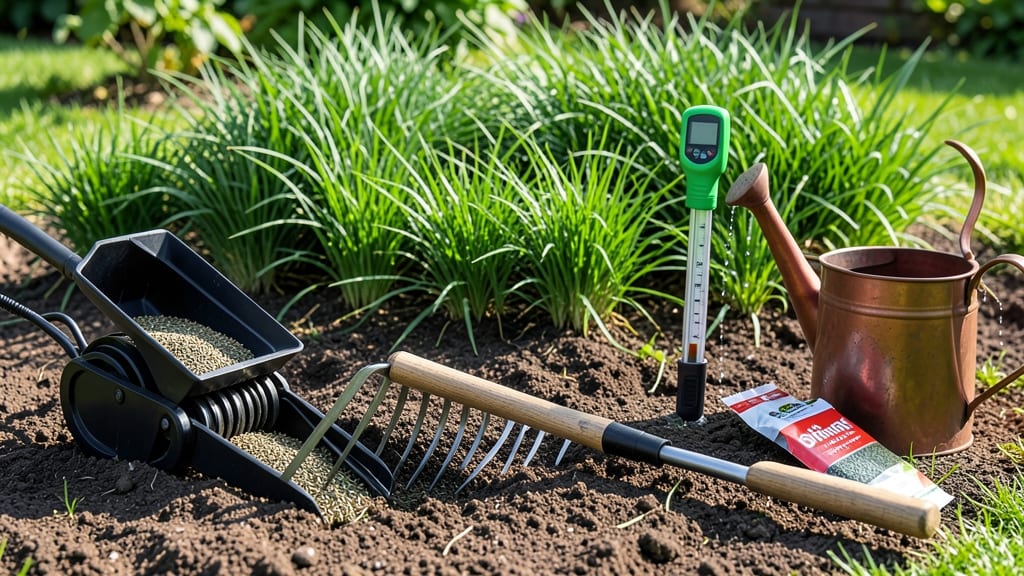
You can plant grass seed in Ohio during early spring or early fall—timing that avoids frost and ensures optimal germination for a thick, green lawn.
Miss the window, and you’ll end up with patchy growth or weeds taking over. Cool-season grasses like Kentucky Bluegrass need the soil to stay cool and moist, while warm-season types like Bermuda prefer the heat of summer.
Ohio’s Zone 6a climate means you’ve got just a few weeks each season to get it right.
Whether you’re establishing a new lawn or overseeding an existing one, the best months are March through April or September through October. Soil temperatures below 50°F can slow germination, and late spring planting risks summer drought stress.
Get the timing perfect, and you’ll see lush results in just a few weeks.
Below, I’ll break down the exact dates for your Ohio location, soil prep tips, and how to keep weeds from stealing the show. Ready to grow that dream lawn? Let’s get started.
Ohio’s best grass planting dates by hardiness Zone (cool-season grasses)
Ohio’s cool-season grasses like Kentucky Bluegrass, Fescue, and Ryegrass thrive when planted during specific windows to avoid heat stress or frost damage. Since Ohio spans USDA Zones 5b-6b, timing varies slightly by region—northern zones need earlier planting than southern areas.
I’ve broken down the optimal planting dates to help you maximize germination and root growth.
For most of Ohio, the best time to plant grass seed falls in early spring (March-April) or early fall (September-October). These windows provide ideal soil temperatures (50-70°F) and moderate rainfall, reducing the risk of drought stress or frost damage.
Spring planting gives grass a head start before summer heat, while fall planting allows roots to establish before winter dormancy.
Northern Ohio (Zones 5b), including areas like Toledo and Cleveland, should focus on late August through mid-September for fall planting, as frost arrives earlier. Southern Ohio (Zones 6a-6b), like Columbus and Cincinnati, can extend planting into early October with minimal risk. Spring planting in these zones can start as early as mid-March once soil temperatures rise above 40°F.
| Zone | Grass Type | Best Spring Planting | Best Fall Planting | Soil Temp |
|---|---|---|---|---|
| 5b (Northern) | Kentucky Bluegrass | Mid-March to April | Late August to Sept 15 | 45-65°F |
| 5b (Northern) | Tall Fescue | Late March to April | Sept 1 to Oct 1 | 50-65°F |
| 6a-6b (Southern) | Fine Fescue | Late Feb to March | Sept 15 to Oct 10 | 40-60°F |
| 6a-6b (Southern) | Ryegrass (Temporary) | April (for overseeding) | Sept 1 to Sept 30 | 50-70°F |
If you’re overseeding an existing lawn in spring, aim for late April to early May when soil is warm but not scorching. For new lawns, I recommend fall planting—it’s less competitive with weeds and gives grass a stronger start before winter.
Just be sure to plant at least 6 weeks before the first frost to allow roots to establish.
Ohio’s late summer (August) can also work for cool-season grasses, especially in Zone 6b areas. This is a less common but effective window if spring planting was missed. However, avoid planting after September 15 in northern zones, as frost can kill young seedlings before they root.
For shade-tolerant grasses like Fine Fescue, you can extend planting into early November in southern Ohio, as these varieties handle cooler temps better. Just monitor soil moisture—fall rains can lead to waterlogged soil, which stunts root growth.
A light mulch layer (like straw) helps retain moisture without smothering seeds.
Pro tip: Test your soil pH (6.0-7.0 ideal) before planting. Ohio’s clay-heavy soils often need gypsum or lime to improve drainage and nutrient availability. Amend the soil 2-4 weeks before seeding to give it time to settle.
Also, level the ground and remove debris—uneven surfaces lead to thin spots and poor germination.
Finally, don’t forget watering schedules. Newly planted grass needs daily watering (1/2 inch) for the first 2 weeks, then taper to every 2-3 days once sprouts appear.
Use a rain gauge or tuna can to measure—overwatering is just as harmful as underwatering. Aim for morning watering to reduce evaporation and fungal risks.
With these zone-specific dates and prep tips, your Ohio lawn will establish strong roots and outperform weeds. Whether you’re seeding in spring’s mild warmth or fall’s cool embrace, timing is
How Ohio’s climate affects grass seed germination (rainfall, soil temps, and timing)
Ohio’s variable climate creates unique challenges for grass seed germination. Spring frost risks and summer droughts can derail your lawn goals if you don’t time your planting carefully. The key is understanding how soil temperatures, rainfall patterns, and urban vs. rural microclimates impact your success.
Let’s break down what you need to know to give your grass the best start possible.
In most of Ohio, cool-season grasses like Kentucky Bluegrass and Tall Fescue thrive when planted in early fall or late spring. However, the timing shifts slightly depending on whether you’re in northern Ohio (Zone 5b-6a) or southern Ohio (Zone 6b-7a).
For example, northern areas should aim for late August to mid-September for fall planting, while southern regions can extend this window until early October. Spring planting should wait until mid-April to early May, after the last frost date.
Spring planting: If you seed too early (before mid-April), a late frost can kill young sprouts. Urban areas may experience 3-5°F colder nights than rural zones due to the "heat island" effect, so adjust your timing accordingly.
Fall planting: Seeding after mid-October risks dormancy before roots establish. Southern Ohio can push this window slightly later due to milder winters, but northern Ohio should stop by early October.
Soil temperature: Ideal germination occurs between 60°F and 75°F. Use a soil thermometer to monitor—if temps drop below 50°F, delay planting until conditions improve.
Ohio’s rainfall patterns also play a critical role. Urban lawns often face drier conditions due to impermeable surfaces like concrete and asphalt, which reduce natural water absorption. In contrast, rural areas typically retain moisture longer, giving grass seeds a head start.
If you’re in an urban setting, consider pre-watering the soil for 24 hours before planting and using mulch or straw to retain moisture during the critical first 2 weeks of germination.
Another critical factor is summer drought stress. If you plant in late spring (May-June), young grass may struggle to establish before Ohio’s hot, dry summers kick in. To mitigate this, choose drought-tolerant varieties like Tall Fescue or Fine Fescue, which have deeper root systems.
For new lawns, deep watering 2-3 times per week (instead of daily shallow watering) encourages stronger root growth and better drought resistance.
Don’t overlook the impact of microclimates within Ohio. Northern Ohio’s shorter growing season means grass planted in late August may not have enough time to establish before winter.
Meanwhile, southern Ohio’s longer frost-free period allows for a later fall planting window and even warm-season grass options like Bermuda or Zoysia in the southernmost regions. Always check your local USDA hardiness zone and monitor weekly frost forecasts from sources like the National Weather Service.
Finally, soil preparation is non-negotiable. Ohio’s clay-heavy soils in many areas can compact easily, suffocating young grass roots. Before planting, aerate the soil and mix in 2-3 inches of compost to improve drainage and fertility.
If your soil tests show low pH (below 6.0), apply lime 4-6 weeks before seeding to create optimal conditions for germination. With the right timing and prep, your Ohio lawn can thrive despite the challenges!