
Lawn
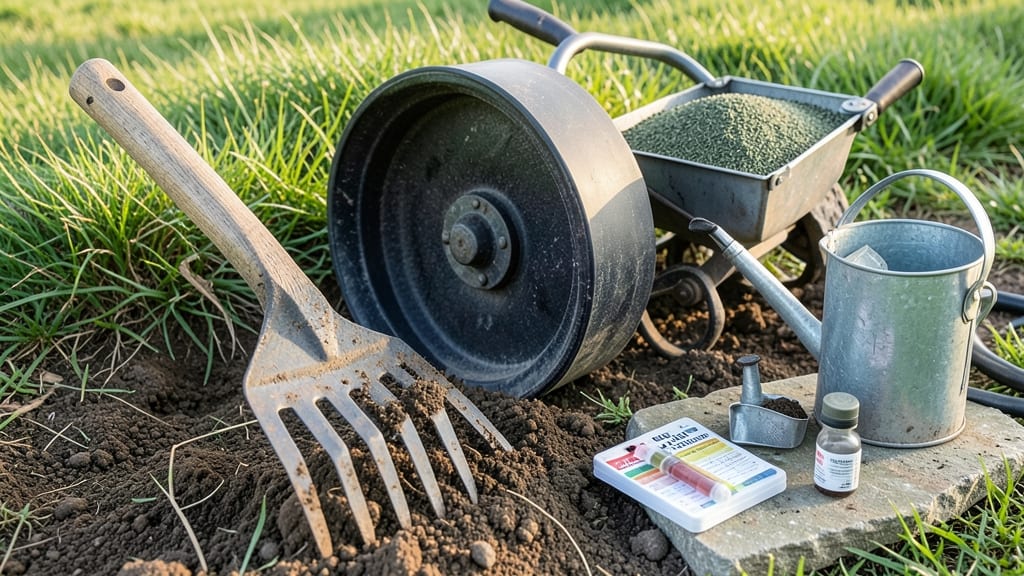
Planting grass seed in Ohio spring between mid-April and early May gives your lawn the strongest start, when soil temperatures hit the sweet spot of 55-65°F and frost risks fade.
Ohio’s unpredictable spring weather can turn a perfect lawn into a muddy mess if you plant grass seed at the wrong time—but timing it right means lush, weed-resistant grass by summer.
The 4-6 week window before Ohio’s last frost (around April 15) is critical: too early and seeds rot in cold soil, too late and summer drought stunts growth. We’ll break down how to read your local microclimate for the best date.
You’ll also discover how to prep your soil, choose the right seed mix for Ohio’s climate, and avoid the three biggest mistakes that sabotage germination before it even begins.
Optimal Ohio spring grass seed planting timeline: mid-April to early May explained
Ohio’s spring weather is famously unpredictable—one day brings 60°F sunshine, the next delivers 30°F frost. For grass seed to germinate properly, you need that 4-6 week window between mid-April and early May when soil temperatures stabilize between 55-65°F.
Planting too early risks frost damage, while waiting too late can leave your lawn vulnerable to summer drought and weeds.
This window isn’t arbitrary—it’s based on Ohio’s USDA Zones 5-6 and the cool-season grass varieties most gardeners choose (like Kentucky bluegrass and tall fescue). Southern Ohio (e.g., Cincinnati) often sees warmer soil earlier than northern areas (e.g., Cleveland), which can shift your ideal planting date by 1-2 weeks.
Let’s break down the exact timeline and how to adjust for your microclimate.
📅 Key Dates to Watch:
- April 15: Average last frost date (but check local forecasts!)
- May 10: Cutoff for spring planting before summer heat stress
- Soil temp threshold: 55°F (minimum for germination) to 65°F (optimal)
To pinpoint your exact planting date, start by testing your soil temperature with a soil thermometer (available at garden centers for ~$10). Dig it 4 inches deep—this is where grass roots establish.
If it’s below 55°F, wait. If it’s above 65°F, you’re risking drought stress, especially for cool-season grasses like ryegrass.
Ohio’s microclimates play a huge role. For example, a south-facing slope in southern Ohio might warm up 10 days earlier than a north-facing yard in Cleveland.
If you’re unsure, err on the side of late April—this gives you a buffer for late frosts while still allowing 6-8 weeks of growth before summer heat arrives.
Pro tip: Use a weather app with frost alerts (like Old Farmer’s Almanac) to track the 10-day forecast. If a hard freeze is predicted within 7 days of planting, delay by 2 weeks or use a frost blanket for protection.
I’ve seen seedling damage even in May—don’t skip this step!
Once you’ve confirmed your soil is warm enough, prepare your lawn by raking out debris and loosening compacted soil with a garden fork. This ensures good seed-to-soil contact, which is critical for even germination.
Spread seed evenly (aim for 5-8 lbs per 1,000 sqft for most blends) and lightly cover with ¼ inch of compost or topsoil.
After planting, keep the soil consistently moist (not soggy) for the first 2-3 weeks. Use a sprinkler on a gentle setting or a soaker hose to avoid displacing seeds. Avoid walking on the area until you see 2-3 inches of new growth, which typically takes 3-4 weeks
5 Critical factors that determine your exact planting date in Ohio
Ohio’s last frost date (typically April 15 in most regions) is your first clue—but it’s not the only factor. Even if frost has passed, soil temperature must reach 55-65°F for seeds to germinate properly.
In northern Ohio (USDA Zone 5), you might wait until late April, while southern Ohio (Zone 6) can start as early as mid-April. This regional shift matters because cool soils delay germination, leaving seeds vulnerable to fungal diseases.
Next, consider your grass seed type. Cool-season grasses like Kentucky bluegrass and tall fescue thrive when planted in early spring, while warm-season grasses (like Bermuda) need late spring warmth. My rule?
If you’re planting cool-season grass, aim for 4-6 weeks before the last frost—this gives roots time to establish before summer heat arrives. For warm-season types, wait until after May 10 to avoid seed washout from spring rains.
Don’t overlook soil moisture levels. Ohio springs can swing from bone-dry to soggy overnight. Plant when the top 2 inches of soil are moist but not waterlogged—this ensures seeds stay hydrated without rotting. I test moisture by squeezing a handful of soil; if it crumbles slightly, it’s ready.
Overly wet soil (common in low-lying areas) delays planting until conditions improve, which might push you into late April.
Here’s where most gardeners trip up: weather forecasts. A 10-day outlook predicting rain or a cold snap can shift your planting window by weeks. For example, if a 50°F night is forecasted after you sow, delay until temperatures stabilize.
I track forecasts from the National Weather Service and adjust my schedule accordingly—sometimes moving from April 20 to May 5 in a single week.
- 1 Last Frost Date: Northern Ohio (Zone 5) = April 22; Southern Ohio (Zone 6) = April 15. Plant 2-3 weeks after this date.
- 2 Soil Temperature: Wait until soil hits 55-65°F (use a soil thermometer). Cold soil = slow germination.
- 3 Seed Type: Cool-season (e.g., Kentucky bluegrass) = early spring; Warm-season (e.g., Bermuda) = late spring.
- 4 Weather Forecast: Avoid planting if rain >1 inch or night temps <50°F are predicted. Check NWS 10-day outlook.
- 5 Pre-Emergent Herbicide: Apply 2-4 weeks before planting. If using, plant after herbicide dries (usually 24-48 hours).
Timing also depends on whether you’re using pre-emergent herbicides. These chemicals block weeds but must be applied 2-4 weeks before planting. If you’re seeding in early May, apply herbicide by mid-April.
Pro tip: Water lightly after application to activate the product—this ensures it’s ready when seeds sprout. Skipping this step can lead to weed outbreaks in your new lawn.
Finally, account for Ohio’s microclimates. Urban areas like Columbus often warm up faster than rural zones, while valleys (like the Appalachian foothills) stay cooler longer. I’ve seen 3-4 week differences in planting readiness between northern and southern Ohio.
Use a local garden center’s advice or check Ohio State University Extension resources for hyper-local guidance. Their frost maps and soil temperature data are gold for Ohio gardeners.
By balancing these five factors—frost dates, soil temps, seed type, weather, and herbicide timing—you’ll pinpoint the perfect window for your Ohio lawn. My 2024 rule: Plant between April 20 and May 10, but always verify with a soil thermometer.
Patience here pays off with thicker, greener grass by summer.