
Plants
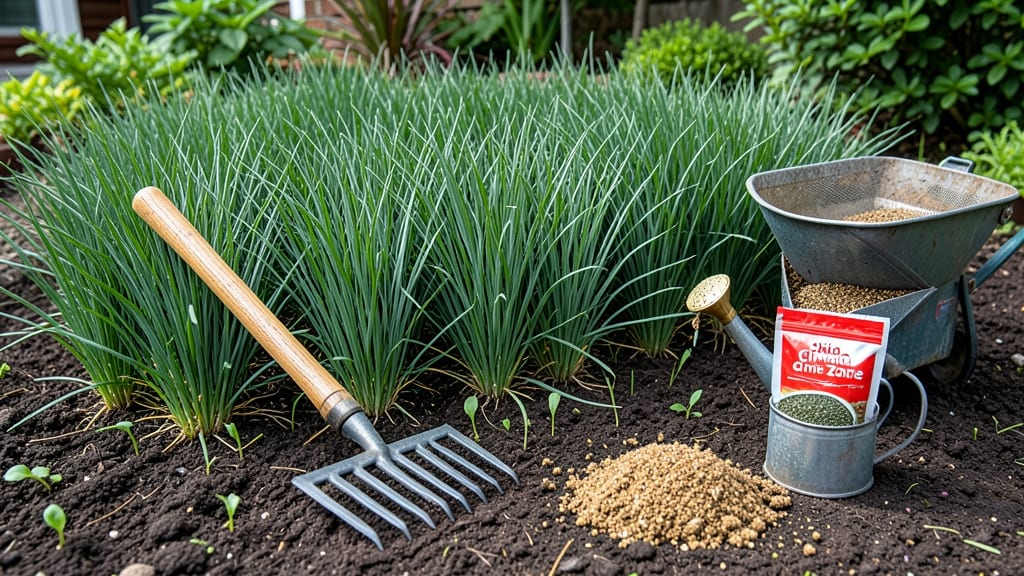
Planting grass seed in Ohio at the right time means the difference between a lush, green lawn and months of patchy frustration—especially when spring weather throws curveballs.
Ohio’s unpredictable frost dates and shifting soil temperatures can turn a well-laid plan into a guessing game. But here’s the secret: the best window isn’t just about the calendar—it’s about soil warmth, USDA Zone 6a specifics, and knowing when cool-season grasses like Kentucky Bluegrass finally have the edge.
In this guide, you’ll find the exact dates for planting in Ohio—broken down by spring (when soil hits 50–65°F) and fall (the safest bet for cooler climates). Plus, pro tips to outsmart Ohio’s sudden cold snaps, droughts, and heavy rains so your 🌱 turfgrass thrives from day one.
Skip the trial-and-error: learn how to prep your soil, pick the right seed mix, and avoid the top 3 mistakes that waste time and money. Ready to plant with confidence? Let’s get started.
Ohio grass-seeding dates by soil temperature (not just calendar months)
Forget relying on calendar months alone—Ohio’s soil temperature is the real secret to successful grass seeding. Cool-season grasses like Kentucky Bluegrass and Tall Fescue thrive when planted in soil that’s 50–65°F in spring or 60–75°F in fall.
These ranges ensure optimal germination and root establishment, even if the air feels cooler. Planting too early or late can leave your lawn vulnerable to frost damage or drought stress.
Ohio’s climate varies dramatically between northern (Zone 5a/5b) and southern (Zone 6a/6b) regions, so timing matters. For example, northern Ohio’s soil may still be too cold in early April, while southern Ohio could be ready by late March.
The key is monitoring soil temperature at 4 inches deep, not just checking the air temperature or calendar dates.
Why soil temperature matters: Grass seeds need warmth to activate enzymes that break down stored nutrients. Below 50°F, germination slows or stops, while above 75°F, seeds can dry out or attract pests. Ohio’s spring frost risk and fall heat waves make this even more critical.
| Season | Ideal Soil Temp Range | Ohio Zones | Grass Types | Risk if Too Early |
|---|---|---|---|---|
| Spring | 50–65°F | 5a/5b: Late April 6a/6b: Early April |
Kentucky Bluegrass Tall Fescue Fine Fescue |
Frost damage, slow growth |
| Fall | 60–75°F | 5a/5b: Mid-Sept–Oct 6a/6b: Late Aug–Sept |
All cool-season grasses | Weed competition, drought stress |
| Late Spring | Above 75°F | Avoid (high risk) | None (too hot) | Seed desiccation, pest attraction |
🌡️ Pro Tip: Use a soil thermometer ($10–$15) to check temps at 4" depth before planting.
To test your soil temperature, use a soil thermometer inserted 4 inches deep in a shady spot. Check readings in the morning for accuracy—Ohio’s microclimates (like south-facing slopes) can be 10°F warmer than shaded areas.
For example, a wooded backyard might stay cooler longer than an open lawn, delaying your planting window.
If your soil is too cold, pre-warm the seed by soaking it in warm water (not hot) for 12 hours before planting. This jumpstarts germination without risking seed damage.
For fall planting, aim to seed 6–8 weeks before the first expected frost (typically mid-October in northern Ohio and early November in southern Ohio).
Ohio’s unpredictable weather means even perfect timing can go wrong. If a cold snap hits after planting, cover seeds with straw mulch (not hay, which can harbor weeds) to insulate them.
Conversely, if a heat wave arrives, water deeply twice daily to keep soil moist until germination occurs (usually 10–21 days for cool-season grasses).
For northern Ohio (Zone 5a/5b), prioritize late April to early June for spring seeding, while southern Ohio (Zone 6a/6b) can start as early as mid-March. Fall is often the best window because cooler air temperatures and warmer soil create ideal conditions.
Grass planted in fall has time to establish roots before winter dormancy, resulting in thicker, greener lawns the following spring.
Common mistakes include planting when the air temperature feels right but the soil is still cold, or waiting until summer heat arrives. Always prioritize soil temperature over calendar dates. For example, May in Ohio can bring sudden freezes—check your soil before seeding to avoid disappointment.
Once you’ve nailed the timing, prep your soil by removing debris, loosening the top 2 inches, and leveling the area. Apply a starter fertilizer with phosphorus to encourage root growth.
After seeding, keep the soil consistently moist (not soggy) until germination completes. This attention to detail ensures your grass seed thrives in Ohio’s variable climate.
Best planting months for Ohio’s 2 climate zones (5a/5b vs. 6a/6b)
Ohio’s two distinct climate zones—5a/5b in northern regions and 6a/6b in southern areas—create a 10-day difference in frost dates. This shift means your grass-seeding window can vary by weeks, not just months.
For Zone 5a/5b, aim for late April to early June or September to October, while Zone 6a/6b gardeners have flexibility until mid-June or even early November.
Understanding these zone-specific risks is critical. Planting too early in Zone 5a/5b risks frost damage, while Zone 6a/6b may face summer drought stress if seeded late. The key? Soil temperature (not just air temperature) should be 50–65°F for spring or 60–75°F for fall—use a soil thermometer to avoid guesswork.
⚠️ NON-NEGOTIABLE: Below is a side-by-side comparison of Ohio’s zones, including average frost dates, ideal planting windows, and risk factors for early/late planting.
| Factor | Zone 5a/5b (Northern Ohio) | Zone 6a/6b (Southern Ohio) |
|---|---|---|
| Average Last Frost Date | April 20–May 5 | April 10–May 1 |
| Ideal Spring Planting Window | Late April–Early June | Mid-April–Mid-June |
| Ideal Fall Planting Window | September 15–October 15 | September 1–November 1 |
| Risk of Early Planting | Frost damage (❄️) | Minimal (✅) |
| Risk of Late Planting | Summer drought (💧) | Moderate (🌡️) |
| Soil Temp for Germination | 50–65°F (spring) | 50–65°F (spring) |
| Best Grass Varieties | Kentucky Bluegrass, Tall Fescue | Tall Fescue, Perennial Ryegrass |
If you’re in Zone 5a/5b, prioritize fall seeding—cooler temps and consistent moisture reduce stress on young grass. For Zone 6a/6b, late spring (May–June) works if you’re prepared for daily watering to combat summer heat. Pro tip: Test soil moisture weekly—dry spells can stall germination in both zones.
Ohio’s microclimates (like urban heat islands or shaded yards) can shift your ideal window by 2–3 weeks. For example, Cleveland (5b) may handle early May seeding, while Columbus (6a) can extend to mid-June. Use a weather app with frost alerts to adjust your timeline dynamically.
Remember: Fall is always safer for Ohio’s cool-season grasses. By planting in September or October, you give roots time to establish before winter—resulting in thicker, drought-resistant turf the following spring. Don’t wait until November in Zone 5a/5b, though, or germination may fail before frost.
🌱