
Plants
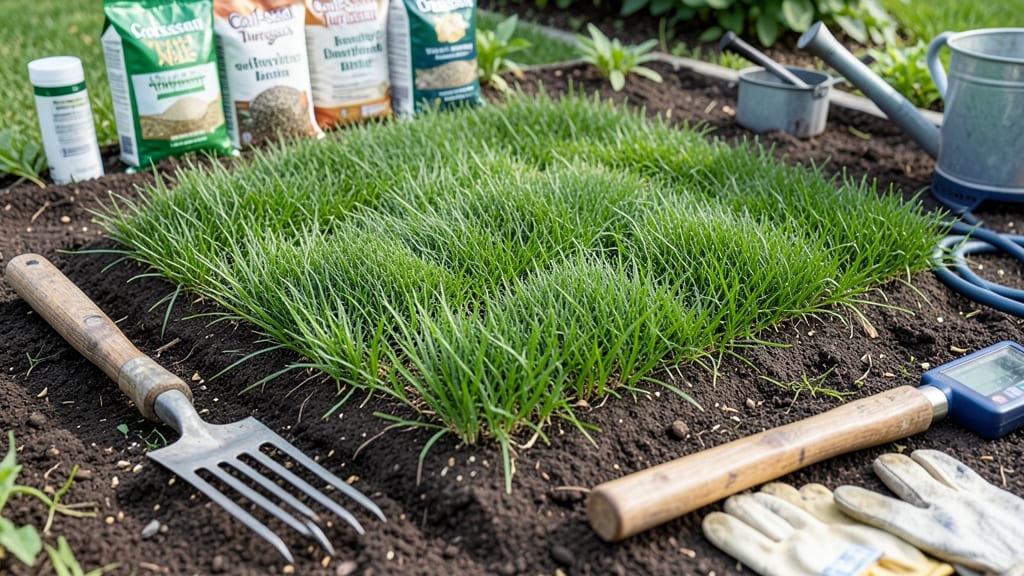
Planting grass seed in New York’s spring means waiting until the soil warms to 50°F and the last frost has passed—typically late April to early June, depending on your zone.
Timing your grass seed planting in New York’s unpredictable spring can mean the difference between a lush lawn and patchy disappointment. One week too early, and a late frost will wipe out your progress; too late, and summer heat stresses young sprouts before they take hold.
Upstate gardeners in Zone 5 should aim for early May, while NYC and Long Island (Zones 6-7) can start as early as late April. The key is soil temperature—cool-season grasses like Kentucky bluegrass need the ground to stay above 50°F for consistent germination.
Below, I’ll break down the exact frost-free planting windows by zone, how to prep your soil for success, and the three biggest mistakes that derail NY lawns every spring—so you can avoid them.
NY spring grass seed planting timeline by hardiness Zone (5-7)
New York’s spring weather can be as unpredictable as a New Yorker’s commute, but your grass seed germination depends on timing it right.
Whether you’re in Upstate Zone 5, NYC’s Zone 6-7, or Long Island’s Zone 7, planting too early risks frost damage, while waiting too long lets weeds take over. The key?
Plant when soil hits 50°F+ and the last frost has passed—typically 4-6 weeks after your region’s average last frost date.
Cool-season grasses like tall fescue and Kentucky bluegrass (common in NY) thrive when sown in early spring, but warm-season grasses like Bermuda wait for late spring.
Below, I’ve broken down the exact windows for each zone, plus pro tips to beat NY’s spring delays—like testing soil warmth with a thermometer or covering seeds if frost sneaks back.
🌱
For Zone 5 Upstate, don’t rush—wait until late April when soil warms to 50°F. Upstate’s last frost often lingers until May 15, so cover seeds with straw mulch if nights dip below freezing.
In NYC (Zone 6-7), you’ve got a wider window: start as early as mid-April for cool-season grasses, but avoid planting before April 1 unless you’re prepared to protect seedlings.
Long Island’s Zone 7 enjoys the earliest planting window—early April—but don’t assume you’re in the clear. A late frost in March can still damage tender seedlings.
Use a soil thermometer to confirm warmth before sowing. Pro tip: If your soil is below 50°F in April, wait or use a seedling blanket to insulate.
🌿
NY’s spring rain can turn your lawn prep into a muddy mess, but timing matters more than perfect conditions. Cool-season grasses like tall fescue germinate best in 55–65°F soil, while warm-season varieties need 70°F+.
If rain delays your planting, prioritize soil prep—till, amend with compost, and level the ground. Once seeds hit the soil, keep it consistently moist (not soggy) with daily watering until germination.
For warm-season grasses like Bermuda, shift your focus to late spring (June in Zone 5, May in Zone 7). These grasses won’t germinate until soil hits 70°F+, so don’t waste seed early.
Instead, use the extra time to remove weeds and aerate compacted soil—critical steps for a thick lawn.
✂️
Remember: NY’s first frost can return as late as October 15, but spring’s unpredictability is your biggest challenge. If you miss the April–May window for cool-season grasses, consider fall planting (August–September) for a second chance.
And if your lawn already has bare patches, overseeding in early fall gives grass time to establish before winter.
For real-time updates, check the Cornell Cooperative Extension or NOAA frost maps. Local nurseries like Wayne’s World of Lawns (Upstate) or The Lawn Doctor (Long Island) can also advise on grass seed
How soil temperature affects germination success in NY spring
New York’s spring weather can be a rollercoaster—one day sunny and warm, the next a surprise frost. While calendar dates give a rough estimate, soil temperature is the real predictor of germination success.
Grass seeds need consistent warmth to sprout, and planting too early when the ground is still cold can leave you with patchy, slow-growing lawns—or worse, seeds that never emerge.
Cool-season grasses like tall fescue and Kentucky bluegrass (common in NY) thrive when soil temps hover between 50°F and 65°F. Warm-season grasses like Bermuda or Zoysia (less common but used in southern NY) need soil at 65°F or warmer to germinate.
Ignoring these ranges means wasted seed and disappointed results.
To check your soil temperature, use a soil thermometer (available at garden centers for ~$10). Insert it 2 inches deep in the soil—this mimics the depth where seeds will germinate.
If your reading is below 50°F, wait at least 1-2 weeks before planting. Pro tip: Morning is the best time to test, as soil temps fluctuate less.
If your soil is too cold, don’t panic. You can warm it up naturally by covering bare spots with black plastic mulch for 1-2 weeks before planting. This absorbs sunlight and raises the temperature faster than waiting for spring to "catch up."
For cooler zones (like Upstate NY), this trick can shave 2-3 weeks off your planting timeline.
Once your soil hits the sweet spot, germination typically takes 7-21 days, depending on the grass type. Keep the area consistently moist (not soggy) by watering lightly 2-3 times daily until sprouts appear. Overwatering can wash seeds away or cause rot, while underwatering leaves them high and dry.
Remember, soil temperature trumps calendar dates every time. Even if your neighbor plants in early April and you wait until late May, their seeds might fail while yours thrive. Trust the thermometer, not the weather forecast—and soon you’ll have that lush, even lawn you’ve been dreaming of. 🌱