
Plants
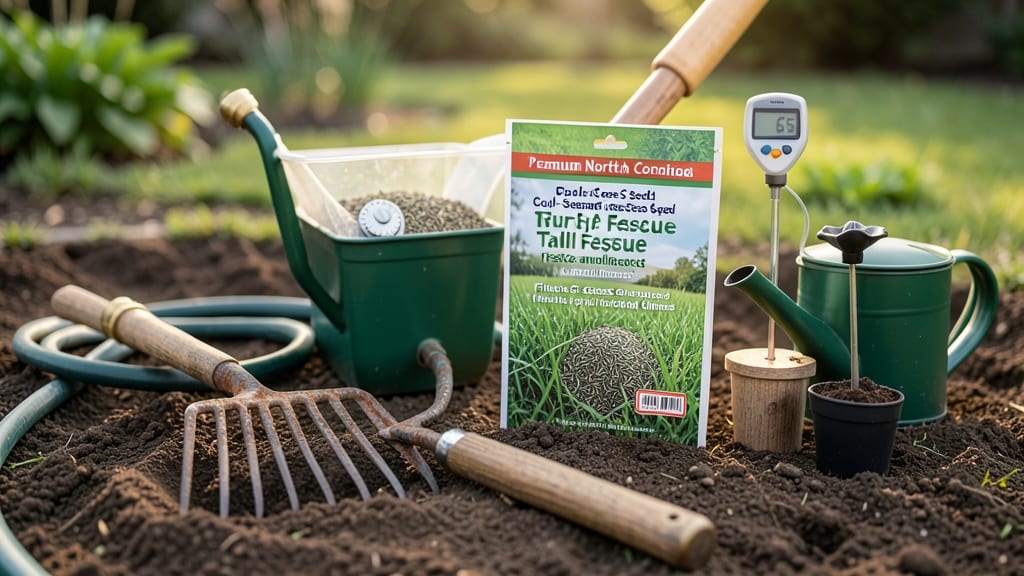
Planting grass seed in North Carolina in spring means timing it right between late February and early April—when soil temperatures hit 55–65°F and frost risks fade.
Get it wrong, and you’re staring at patchy lawns, wasted seed, or weeds stealing the show. I’ve seen three critical mistakes derail even the best-laid plans—like planting too early and inviting frost damage, or ignoring soil moisture tests that spell failure.
North Carolina’s climate varies wildly from the Coastal Plain to the Piedmont, so a one-size-fits-all approach won’t cut it. The right grass seed—whether cool-season tall fescue or warm-season Bermuda—depends on your microclimate, and skipping soil prep is a fast track to disappointment.
Below, I’ll walk you through the exact windows, soil checks, and seed choices that guarantee a thick, weed-free lawn—no guesswork, just results. Let’s get started.
Best time to plant grass seed in NC spring: temperature and soil conditions explained
North Carolina’s spring climate is unpredictable—one week can bring frost while the next warms up to 75°F. For grass seed germination, timing is everything. Plant too early, and your seeds may rot from cold soil; too late, and summer heat stresses young sprouts.
The sweet spot? Mid-April for most regions, when soil temperatures consistently hit 55-65°F.
But here’s the catch: NC’s three distinct microclimates—coastal, Piedmont, and mountains—each have their own ideal windows. Coastal areas warm faster, while mountain regions stay cooler longer. Soil temperature, not air temperature, is your true guide.
A soil thermometer (just $10 at garden centers) reveals the real story beneath the surface.
Let’s break down the optimal planting windows by region, soil conditions, and germination rates. The data below shows how weekly temperature shifts impact your success—because a 5°F difference can mean the difference between a lush lawn and a failed patch.
If you’re in the Piedmont region, aim for mid-April when soil temperatures stabilize above 55°F. Check your local Cooperative Extension Service for frost dates—Raleigh’s average last frost is April 15, but mountain areas like Boone can see frost until May 1. Coastal NC warms faster, so late March works if your soil is ready.
Here’s my pro tip: Test soil moisture before planting. Stick your finger 2 inches deep—if it’s dry, water lightly the day before seeding. Overwatering at planting time drowns seeds. Consistent moisture, not floods, is key for the first 2 weeks.
Use a rain gauge or tuna can (mark ½ inch) to track watering.
One common mistake? Relying on air temperature instead of soil temp.
A 70°F afternoon might feel warm, but if your soil is still 48°F, seeds won’t germinate. Warm-season grasses like Bermuda need 75°F+ soil, so save those for late spring. Cool-season grasses (tall fescue, Kentucky bluegrass) thrive in 55–65°F soil—perfect for April.
For fastest germination, plant when soil temps are 60–65°F. In NC’s Piedmont, that’s usually April 1–15.
Coastal areas hit this window 1–2 weeks earlier, while mountains lag by 2–3 weeks. Seed variety matters too: Tall fescue germinates in 10–14 days at ideal temps, while Bermuda takes 21+ days.
Don’t forget to scarify bare soil before seeding. Rent a dethatcher ($50/day) or use a garden rake to break up crust. Loose soil lets roots penetrate deeper, reducing drought stress. Top-dress with compost (¼ inch) for nutrients—your grass will reward you with 30% faster establishment.
Final rule: Wait for 4–6 consecutive days above 55°F before planting. Check the NC State Climate Office for your county’s trends. Patience now means a thicker, weed-resistant lawn by summer. Trust me, your future self will thank you when you’re not resowing in June!
3 Critical mistakes to avoid when planting grass seed in NC before April 15 (and how to fix them)
North Carolina’s spring weather can be unpredictable, and planting grass seed too early—before April 15—often leads to poor germination or wasted seed. The average last frost date varies across NC’s regions, but waiting until soil temperatures consistently stay between 55-65°F is key.
Many gardeners rush planting, only to face frost damage or slow growth, leaving their lawns vulnerable to weeds.
Even if the calendar says spring, your grass seed won’t thrive if the soil is still too cold or dry. For example, tall fescue, a popular NC grass, needs warm soil to germinate properly.
Planting too early can also attract crabgrass and other weeds that outcompete your new grass. Let’s break down the top mistakes and how to avoid them.
⚠️ WARNING: Planting Grass Seed Too Early in NC
Risk: Frost damage, poor germination, and wasted seed. NC’s Piedmont region can still see 28°F nights in early April, while the Coastal Plain may warm up faster—but don’t assume! Use a soil thermometer to confirm temperatures.
Fix: Wait until 4-6 weeks after your region’s last frost date. Check the NC State Climate Office for local frost data. For most of NC, this means mid-to-late April for cool-season grasses like Kentucky bluegrass.
Another common mistake is ignoring soil moisture levels before planting. Dry soil can cause seeds to sprout unevenly or fail entirely. A simple moisture test—digging 2-3 inches deep and checking for dampness—can save you from replanting.
If the soil feels like a squeeze toy, it’s not ready. Water deeply 24 hours before planting to prep the seedbed properly.
Choosing the wrong grass seed type for NC’s climate is the third critical error. Cool-season grasses like tall fescue and ryegrass thrive in NC’s spring but struggle in summer heat, while warm-season grasses like Bermuda or zoysia need warmer soil to establish.
For spring planting, stick to cool-season blends unless you’re in the southern Coastal Plain, where warm-season grasses may perform better.
To fix this, research your USDA hardiness zone (NC ranges from 6a-8b) and select seeds labeled for your region. For example, tall fescue is ideal for zones 5-9 and handles NC’s humidity well. Always check the seed bag’s recommended planting window—it’s your best guide to success.
Finally, even if you time everything right, skipping soil prep can undo your efforts. Loosen the top 2-3 inches of soil with a rake or tiller to improve aeration, and remove debris and weeds.
A quick pH test (ideal range: 6.0-7.0) ensures your grass gets the nutrients it needs. Without this step, your seed may struggle to establish roots, leaving gaps for weeds to fill.
By avoiding these mistakes—planting too early, ignoring moisture, and choosing the wrong seed—you’ll give your NC lawn the best start. Once your grass is established, focus on consistent watering and fertilization to keep it lush all season. Your lawn will thank you! 🌱